Trip Facts

Trip Start/Ends
Kathmandu to Everest Base Camp and back

Trip Difficulty
Moderate

Trip Style
A mix of rugged trails

Meals
Breakfast, Lunch, Dinner

Accomodation
Hotel & Lodge

Max. Elevation
5,364 meters at Everest Base Camp and 5,545 meters at Kala Patthar

Group Size
5-10

Activity
Trekking

Best Season
March-May/ Sep- Nov
Overview
The Everest Base Camp Trek is a popular trekking route in Nepal that takes you deep into the mountains up to the base camp of Mount Everest, the world’s tallest mountain. Many consider it a challenging but rewarding trek where you’ll walk through the stunning Khumbu Region, cross suspension bridges, stay in cozy teahouses, and experience the unique Sherpa culture.
Whether traveling from Kathmandu or joining a guided 14-day itinerary, this trek offers breathtaking mountain views, rich traditions, and an unforgettable adventure.
In the Everest Base Camp Trek, you will start from Kathmandu, flying into Lukla Airport, and trekking up to Kala Patthar. You’ll also get to explore the lively Namche Bazaar, Dingboche's peaceful village, and Tengboche Monastery, full of spiritual energy. You’ll hear locals speaking Tibetan and Sherpa languages and even enjoy cozy nights in teahouses where you can taste Sherpa stew and warm butter tea.
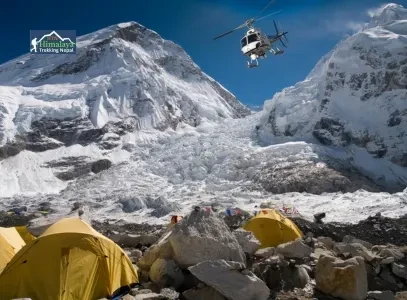
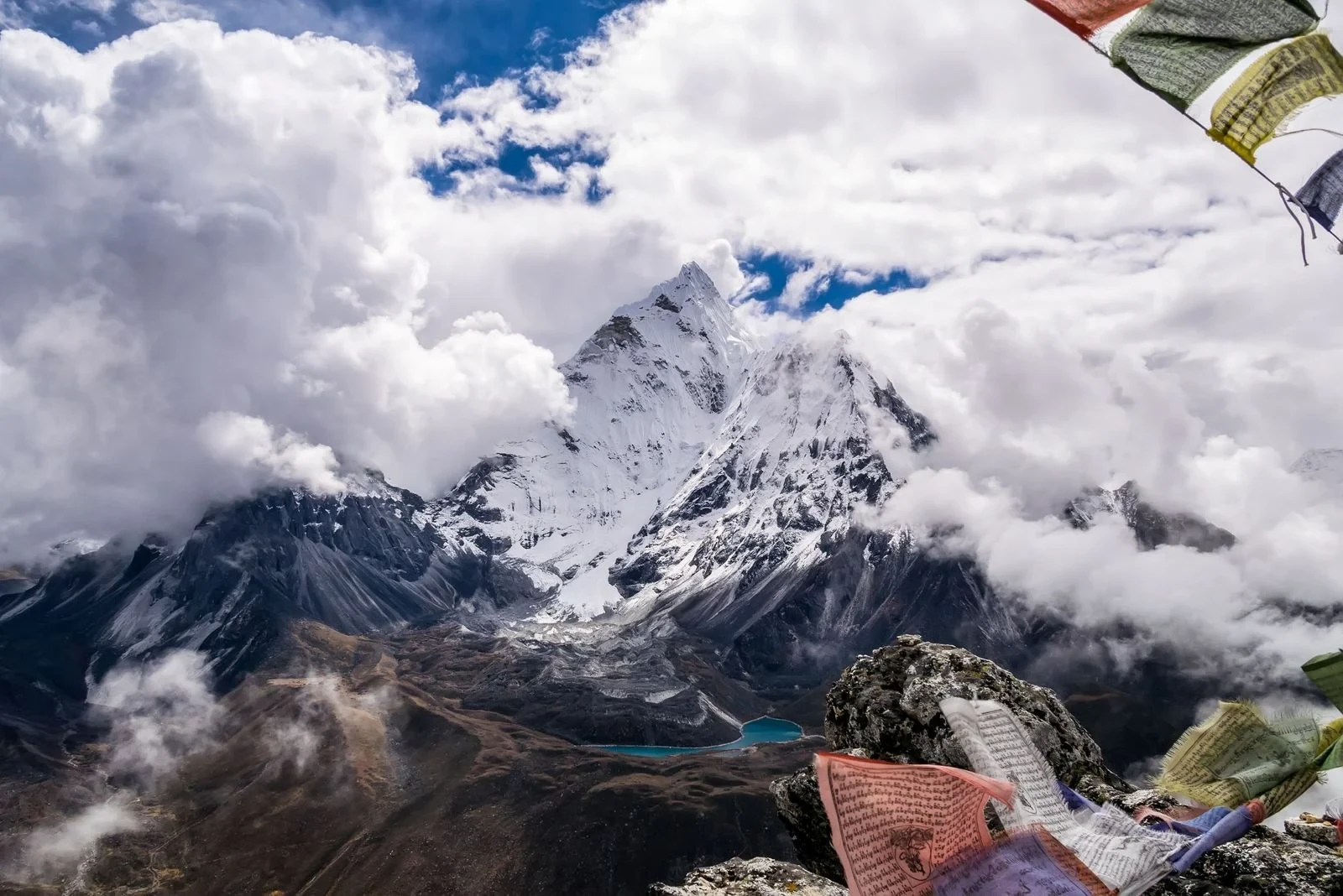
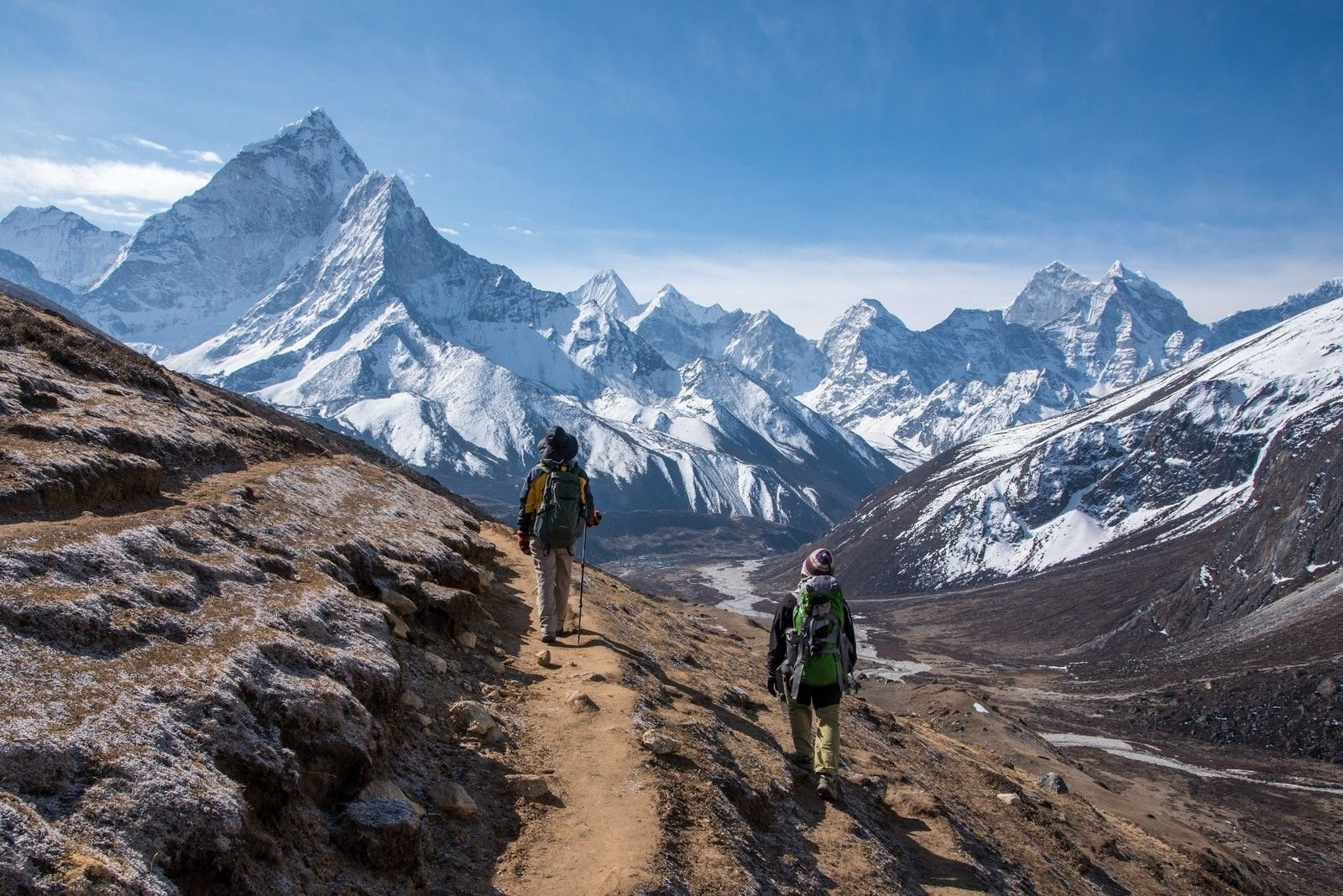
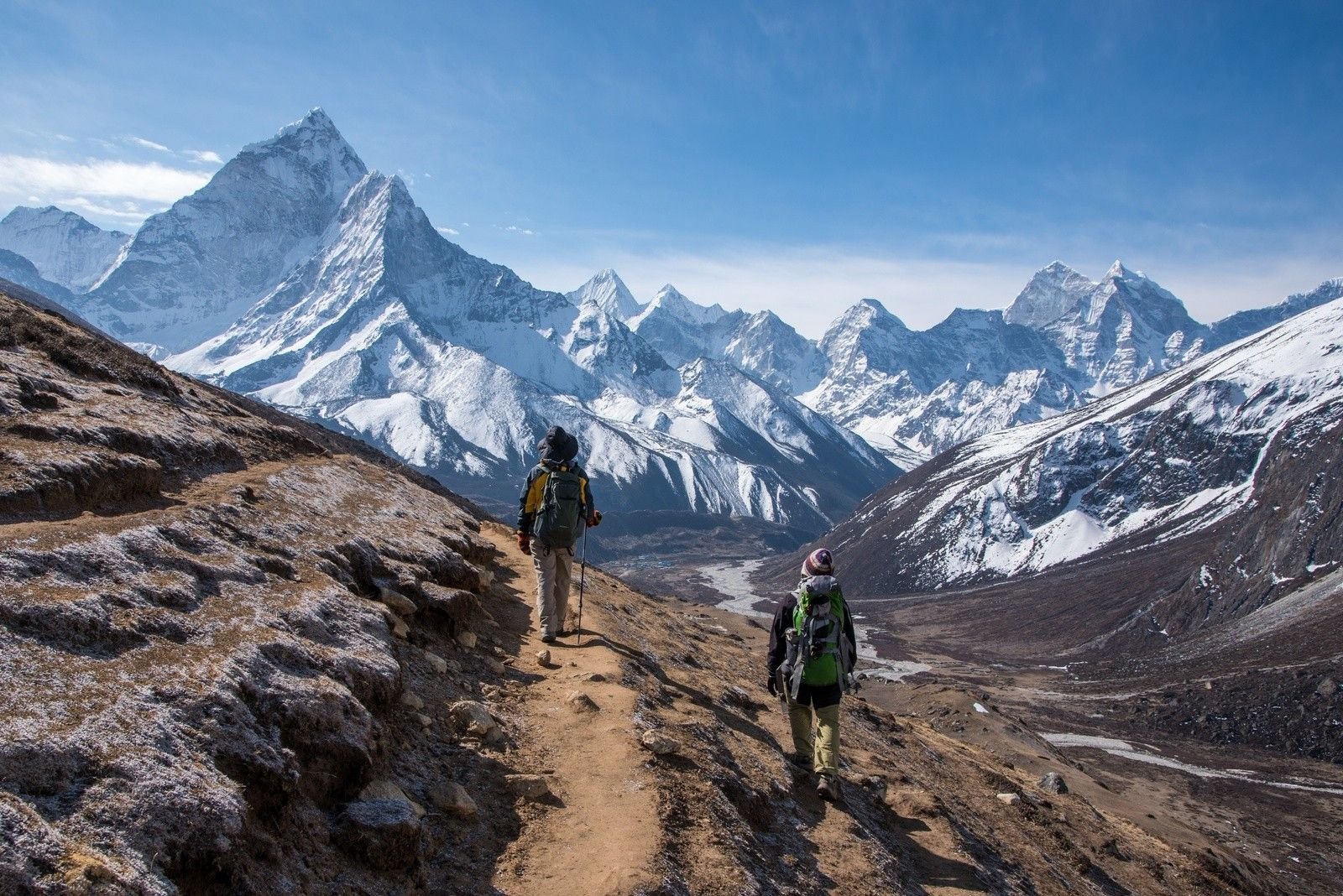
Tip: Don’t forget to snap photos with incredible sights like the Khumbu Icefall, Ama Dablam, and Lhotse as your backdrop.
If you can walk 5 to 7 hours a day with some uphill climbs, you can take on the Everest Base Camp trek! Although we recommend having some trekking experience helps, it’s not a must. Going with a guide with Himalaya Trekking Nepal’s Everest Base Camp Trek means you’ll always have someone by your side - no matter what happens along the trail.
Highlights of the Everest Base Camp Trek
Here are some of the unforgettable moments you’ll experience on the Everest Base Camp Trek:
-
Wander through traditional Sherpa villages like Namche Bazaar and Tengboche.
-
Visit ancient monasteries and meet local monks.
-
Cross the famous Hillary Suspension Bridge.
-
Gaze at the massive Khumbu Glacier.
-
Capture stunning photos of Mount Everest, Lhotse, Ama Dablam, and the summit of Kala Patthar.
-
Use Everest Link Wi-Fi at Everest Base Camp to share your perfect selfie.
 Important Trip Note
Don’t forget to snap photos with incredible sights like the Khumbu Icefall, Ama Dablam, and Lhotse as your backdrop.
Itinerary
-
Day 1 Arrival in Kathmandu
Welcome to Nepal! You’ll land in the bustling capital city, where your trekking adventure officially begins. Use the day to rest, buy or rent last-minute gear, and attend a trip briefing with your guide

Accommodation
Hotel in Kathmanud

Meals
Breakfast, Lunch

Duration
Arrival day (no trekking)

Max Altitude
1397m
-
Day 2 Fly to Lukla & Trek to Phakding
A scenic 40-minute mountain flight takes you to Lukla — the gateway to Everest. After landing, begin a gentle 3–4 hour trek down to Phakding through pine forests and Sherpa villages.
Accommodation
Teahouse in Phakding
Meals
Breakfast
Duration
3–4 hours trekking
Max Altitude
2860m
-
Day 3 Trek to Namche Bazaar
Today’s walk is tougher as you gain altitude. You’ll cross suspension bridges over the Dudh Koshi River and enter Sagarmatha National Park. The final uphill push brings you to Namche Bazaar — the Sherpa capital.
Accommodation
Teahouse in Namche Bazaar
Meals
Breakfast, Lunch
Duration
5–6 hours trekking
Max Altitude
3440m
-
Day 4 Acclimatization Day in Namche
Time to rest and let your body adapt to the altitude. You can hike up to Everest View Hotel for a glimpse of Mount Everest or explore local museums and bakeries in Namche.
Accommodation
Teahouse in Namche Bazaar
Meals
Breakfast, Lunch
Duration
Optional short hikes (2–3 hours)
Max Altitude
3880m
-
Day 5 Trek to Tengboche
Walk along beautiful ridge trails with views of Everest and Ama Dablam. Reach Tengboche by afternoon, home to the region’s most famous monastery, surrounded by dramatic Himalayan views.
Accommodation
Teahouse in Tengboche
Meals
Breakfast, Lunch
Duration
5–6 hours trekking
Max Altitude
3860m
-
Day 6 Trek to Dingboche
Descend through the forest, then climb past villages and fields toward the windswept valley of Dingboche. The scenery opens up, offering great views of Lhotse and Island Peak.
Accommodation
Teahouse in Dingboche
Meals
Breakfast, Lunch
Duration
5–6 hours trekking
Max Altitude
4410m
-
Day 7 Acclimatization Day in Dingboche
Another acclimatization day — essential for avoiding altitude sickness. Optional hike to Nangkartshang Peak (5,083 m) for stunning Makalu and Ama Dablam panoramas.
Accommodation
Teahouse in Dingboche
Meals
Breakfast, Lunch
Duration
Rest or 3–4 hour acclimatization hike
Max Altitude
5083m
-
Day 8 Trek to Lobuche
The trail gets rockier as you climb past the memorials of climbers lost to Everest. A quieter, more remote feel sets in as you reach Lobuche, surrounded by glaciers and peaks.
Accommodation
Teahouse in Lobuche
Meals
Breakfast, Lunch
Duration
4–5 hours trekking
Max Altitude
4940m
-
Day 9 Trek to Everest Base Camp, Overnight in Gorak Shep
This is the big day. Trek to Gorak Shep, leave your bags, and head to Everest Base Camp (5,364 m). You’ll walk along the edge of the Khumbu Glacier and see the famous icefall up close.
Accommodation
Teahouse in Gorak Shep
Meals
Breakfast, Lunch
Duration
6–7 hours total (round trip)
Max Altitude
5364m
-
Day 10 Hike Kala Patthar & Descend to Pheriche
Early morning hike up Kala Patthar (5,545 m) for the most iconic panoramic views of Everest. After that, descend through Lobuche to Pheriche — a long but rewarding day.
Accommodation
Teahouse in Pheriche
Meals
Breakfast, Lunch
Duration
7–8 hours trekking
Max Altitude
5545m
-
Day 11 Trek Down to Namche Bazaar
Retrace your steps past Tengboche and descend back to the comfort of Namche. You'll notice how much easier the walk feels as the oxygen level increases.
Accommodation
Teahouse in Namche Bazaar
Meals
Breakfast, Lunch
Duration
6–7 hours trekking
Max Altitude
3440m
-
Day 12 Trek Down to Lukla
Your final trekking day takes you through familiar villages and lush forests as you wrap up your circuit at Lukla. Time to celebrate with your guide and porters.
Accommodation
Teahouse in Lukla
Meals
Breakfast, Lunch
Duration
6–7 hours trekking
Max Altitude
2860m
-
Day 13 Fly Back to Kathmandu
If you catch an early flight from Lukla to Kathmandu, you can spend the rest of the day relaxing, souvenir shopping, or enjoying some local food.
Accommodation
Hotel in Kathmandu
Meals
Breakfast, Lunch
Duration
40-minute flight
Max Altitude
1400m
-
Day 14 Departure Day
Your Everest Base Camp adventure comes to an end. Depending on your plans, you can transfer to the airport for your flight home or continue your travels around Nepal.
Cost Breakdown
Cost Overview Description for Everest Base Camp Trek – 14 Days Guided Package
Dates & Price
- January
- February
- March
- April
- May
- June
- July
- August
- September
- October
- November
- December
Meals & Accommodation
Meals
Your meals during your stay in Kathmandu will be on a bed & breakfast plan. We will host a welcome dinner and a farewell dinner in Kathmandu. Any additional meals during your stay will be at your own expense.
During the trek, your meals are included as part of our package. You will have a choice of breakfast, lunch, and dinner, as well as tea/coffee during your trekking days ith us. We will source food for your group from guesthouses, prepared by trained local chefs. We take care to ensure that your food is fresh and hygienic.
Accommodation
For this Trek, we use 4-star deluxe luxury hotels in Kathmandu, Hotel Shanker or Hotel Barahi Kathmandu Hotel to ensure your stay is comfortable.
During the trek, you will be staying in mountain lodges and guest houses owned by local Sherpas, offering a nice and comfortable experience. You will have attached bathroom and hot shower facilities during your stays in Namche & Lukla, while other places will have regular mountain lodges.
Optional Add-ons
-
Rent gear like jackets, sleeping bags, or trekking poles
-
Take a helicopter ride back from Everest Base Camp
-
Add extra hotel nights in Kathmandu before or after the trek
Group vs. Private Trekking Packages
-
Group Trek is cheaper and perfect if you're traveling alone and don't have anyone to go with.
-
Private Trek will give you more freedom, is excellent for families, and offers custom experiences.
Budget Tips for European Travelers
-
Book early, especially in Spring or Autumn, to avoid high-season prices
-
Pick a budget Everest Base Camp Trek with a guide and basic teahouse stays
-
Share porter services, bring a refillable bottle, and skip expensive imported snacks
Start Your Journey with Himalaya Trekking Nepal – Join Our Next Departure
Best Time to Trek to Everest Base Camp
The season you choose can affect your Everest Base Camp Trek experience. Most people go in spring or autumn, which offer fantastic views and great weather.
Spring (March to May)
Spring is many's favorite for a reason. Here the days are warm, the skies are usually clear, and the hills burst into color with blooming rhododendrons. Everything feels fresh and full of life - perfect for nature lovers and photographers.
It’s also a great time to meet other trekkers, as the trails are lively but not overcrowded. By late May, the air can get slightly humid as monsoon season starts to creep in.
Autumn (Sep to Nov)
Autumn is the most popular time to trek to the Everest Base Camp. Once you visit the EBC, you’ll see why. The skies are crystal clear, the weather’s cool and dry, and the views of Mount Everest and the Himalaya are epic.
The Autumn season also coincides with Nepal’s biggest festivals, like Dashain and Tihar, so the cultural vibe will be at full swing. Though do take note that nights tend to get colder, and the trail can be busy, but the views and energy more than make up for it.
Preparing for the EBC Trek: What You Need to Know
If you're getting ready for the Everest Base Camp Trek, then it means you should start focusing on your fitness, gear, and safety to enjoy the adventure without worries getting the full experience from the trek.
1. Physical Fitness and Training Recommendations
-
Try walking for 3 to 5 hours a day to build endurance.
-
Include stairs, uphill climbs, and cardio exercises in your routine.
2. Gear Checklist
-
Don’t forget everyday needs like a good sleeping bag, ice grips for icy spots, and trekking poles.
-
Your own carry bag(30L), which should be lightweight, durable, and comfy for storing your personal documents, clothes, and daily essentials.
-
Bring warm clothes, a windproof jacket, UV sunglasses, and a reliable headlamp.
3. Dealing with Altitude Sickness
-
Take your time on the trail, drink plenty of water, and let your body acclimate properly.
-
Know the common symptoms like headaches, nausea, and breathlessness so you can act early.
-
Carry medicines like Diamox for altitude sickness, and other prescribed medications for situations like headache, nausea, etc.
4. Travel Insurance and Helicopter Rescue Info:
-
Ensure your travel insurance covers emergency evacuation and high-altitude trekking in case you need a helicopter rescue.
Cultural & Natural Highlights Along the Route
The Everest Base Camp Trek isn’t just about getting close to Everest; it’s also packed with rich Sherpa culture and some seriously stunning natural sights that make the journey as special as the destination.
1. Sherpa Culture and Hospitality
When you head to a Sherpa village, you’ll feel the warmth from the yak-wool blankets and the people themselves. Their kindness and deep respect for the mountains make you feel like more than just a visitor. Here you can drink some salty butter tea, sit by a fire in a teahouse, and listen to stories passed down for generations.
2. Tengboche Monastery
Tengboche is more than just a stop on the trail - it’s a spiritual pause in your journey. The monastery sits perfectly on a hilltop, surrounded by towering Himalayan peaks.
You can hear the monks chant in the background while prayer flags flutter in the breeze. If you step inside, take a deep breath, and soak in the peaceful energy, it will make you feel like the place is something out of a dream.
3. Khumbu Glacier and Icefall
Up close, the Khumbu Glacier and Icefall feel like you’re standing in another world. On the trek, you will see jagged ice towers, deep crevasses, and echoing cracks, reminding you how alive the mountains are. It's a raw, powerful sight - you’ll want just to stand there and take it all in. It’s one of the most dramatic landscapes you’ll see on the trek, especially as you get closer to Everest Base Camp.
4. Kalapatthar Viewpoints
Kala Patthar is where you earn your ultimate view - and trust us, it’s worth every step. You get a panoramic view of Everest, Lhotse, Nuptse, and Ama Dablam from the top, which is better than what you’ll see from base camp. You might even be able to catch it at sunrise when the peaks glow golden. It’s freezing, it’s steep, but it’s unforgettable.
5. Namche Bazaar
Namche isn’t just a rest stop - it’s the beating heart of the Everest region. This bustling mountain town sits on a hillside like a natural amphitheater, offering unreal views of Kongde Ri and glimpses of Everest on clear days. You’ll find cozy bakeries, gear shops, museums, and cafés full of trekkers swapping stories. Whether sipping coffee or exploring the local market, Namche offers adventure and comfort in the middle of the mountains.
Ready to stand at the foot of Everest?
Book your unforgettable Everest Base Camp Trek with Himalaya Trekking Nepal — expert-guided, fully organized, and tailored for your adventure.
Start your journey today with Himalaya Trekking Nepal!
Plan your Everest Base Camp Trek with Himalaya Trekking Nepal
Himalaya Trekking Nepal makes your Everest Base Camp adventure smooth, safe, and unforgettable from start to finish. Our local team knows the Khumbu region from the inside out. Our clear, easy-to-follow plans and real trekking experience make your journey smooth and fun.
-
Guaranteed Departures: Book confidently - Himalaya Trekking Nepal won’t cancel your trip.
-
Local Sherpa Team: Our experienced EBC trek guides know the Khumbu region from the inside out. Our guides, including female and male Sherpas, are trained in high-altitude first aid and are there to look after you every step of the way.
-
Eco-Friendly Trekking: We include carbon offsets to keep our treks green.
-
Top Safety Standards: We’re prepared for altitude issues and emergencies with insurance support.
-
Customizable Options: Want to add the Gokyo Lakes, Island Peak climb, or a helicopter ride? Himalaya Trekking Nepal has you covered.
Ready to Take on the Everest Base Camp Trek
This trek isn’t just an adventure - it’s a journey filled with stunning mountain views, rich Sherpa culture, and the peace of mind that comes with expert safety measures and support from Himalaya Trekking Nepal. Every step brings something unforgettable.
Spring and Autumn are the best seasons, and spots go fast during these times, so it’s smart to book early.
Check out the available dates and what’s included in the trip, and save your spot today with Himalaya Trekking Nepal—your Everest adventure is waiting!
Gallery
FAQ's
-
How challenging is the Everest Base Camp Trek?
How challenging is the Everest Base Camp Trek?
The Everest Base Camp trek is moderately challenging — it doesn’t require technical climbing, but the long walking days and high altitude can be tough. You’ll trek 5–7 hours daily over rocky trails, suspension bridges, and uphill climbs. With a slow pace, proper acclimatization, and an experienced guide, most people with average fitness can complete it successfully. Train before your trip and listen to your body during the trek. -
When’s the best time to trek to Everest Base Camp?
The best seasons for the EBC trek are Spring (March–May) and Autumn (September–November). These months offer clear blue skies, stable weather, and breathtaking mountain views. In spring, you’ll also see rhododendrons in bloom, while autumn gives you crisp air and post-monsoon clarity. Try to avoid the monsoon season (June–August) due to rain and leeches, and be careful during winter (December–February) as temperatures drop sharply.
-
Is it safe to trek solo?
Trekking solo is possible, but not always the safest choice, especially in remote regions. That’s why many solo travelers choose to book through a local agency or join a group trek. With a guide, you get help with navigation, altitude checks, and emergency support if anything goes wrong. Also, trekking with others makes the experience more social and fun!
-
How can I avoid altitude sickness?
Altitude sickness, or AMS, can affect anyone — even fit hikers — so prevention is key.
-
Take it slow: Don't rush; gradual ascent is crucial.
-
Stay hydrated: Drink 3–4 liters of water daily.
-
Rest properly: Acclimatization days (like in Namche and Dingboche) help your body adjust.
-
Eat well and avoid alcohol.
-
-
Can I do the trek on a budget?
Yes, you absolutely can! There are plenty of budget-friendly trekking packages that include food, accommodation, guides, and permits. You can also save by:
-
Sharing rooms in teahouses
-
Skipping luxury add-ons (like hot showers and WiFi)
Renting gear in Kathmandu instead of buying
-
-
What permits do I need?
You’ll need two main permits to trek to Everest Base Camp:
-
TIMS Card (Trekkers' Information Management System) – for trekker records and safety
Sagarmatha National Park Entry Permit – to enter the protected Everest region
(We will take care of these for you, so don't worry about it.) -
-
Any tips for European travelers?
Yes! Here are a few key tips if you’re coming from Europe:
-
Get travel insurance that covers high-altitude trekking and emergency evacuation.
-
Pack light, but don’t forget warm layers — even in spring, nights are freezing.
-
Rent or buy gear in Kathmandu, where it’s cheaper.
-
Bring power banks, snacks, and water purification tablets — they’re pricey on the trail.
-
Also, give yourself a day or two in Kathmandu to adjust before flying to Lukla.
-
-
How many days does it take for beginners?
For most beginners, the standard Everest Base Camp trek takes 12 to 14 days, including 2 rest days for acclimatization.
The typical route:-
8 days to reach base camp (with rest days in Namche & Dingboche)
-
3–4 days to return
This pace gives your body enough time to adjust to the altitude and increases your chances of completing the trek safely and comfortably.
-
-
Do people speak English on the trek?
[H3] 9. Do people speak English on the trek?
Yes, they do — especially in the Everest region. Most guides, porters, and teahouse staff speak basic to good English, so that communication won’t be a problem. You’ll also meet fellow trekkers worldwide, so English becomes the common language on the trail. Still, learning a few Nepali or Sherpa phrases (like “Namaste”) is always appreciated!


.jpeg)

-
 Safety Trips
 - Expert Guides
- Resonable Price
- Experienced