Trip Facts

Trip Start/Ends
Kathmandu → Kathmandu

Trip Difficulty
Extreme / Advanced Mountaineering (Requires prior 7000m experience)

Trip Style
Full-service guided climbing expedition (South Col Route)

Meals
Breakfast in Kathmandu, Three meals daily during trek and at all camps (Base Camp + High Camps), High-altitude meals for C1–C4

Accomodation
4–5 star hotels in Kathmandu; teahouses during trek; high-quality tents at Everest Base Camp and High Camps

Max. Elevation
8,848.86 meters (29,031 feet) – Summit of Mount Everest

Group Size
4–12 climbers

Activity
Trekking (4–8 hours), technical climbing (6–12 hours during rotations), high-altitude rest days, summit push (10–18 hours round-trip), cultural visits in Kathmandu.

Best Season
April – May / Early June (Prime summit window: Mid-May)
Overview
Stand on the roof of the world with Himalaya Trekking Nepal. Our Everest climbing expedition gives you the chance to conquer Mount Everest (8,848.86 m/29,029 ft), the highest mountain on Earth. This isn't just a climb. It's a life-changing adventure that tests your limits and rewards your spirit.
Every year, climbers from around the globe dream of reaching Everest's summit. With our experienced Sherpa guides, proven safety systems, and complete support from base camp to summit, you'll have everything you need to make that dream real.
Ready to start your Everest journey? Our 2026 expedition season is now open for bookings.
About Mount Everest
Mount Everest is called Sagarmatha in Nepal and Chomolungma in Tibet. It rises 8,848.86 meters (29,031 feet) above sea level. It's the highest point on our planet.
What Makes Everest Special?
-
Ultimate Achievement: Standing on Everest's summit means joining an elite group of mountaineers who've reached the world's highest point
-
Incredible Views: See the Himalayas stretching endlessly in every direction from the summit
-
Personal Growth: The challenge pushes you beyond what you thought possible
-
Rich History: Walk in the footsteps of Hillary, Tenzing, and countless brave climbers
What You'll Experience on the Everest Route
Our expedition follows the South Col Route from Nepal. This classic path takes you through:
-
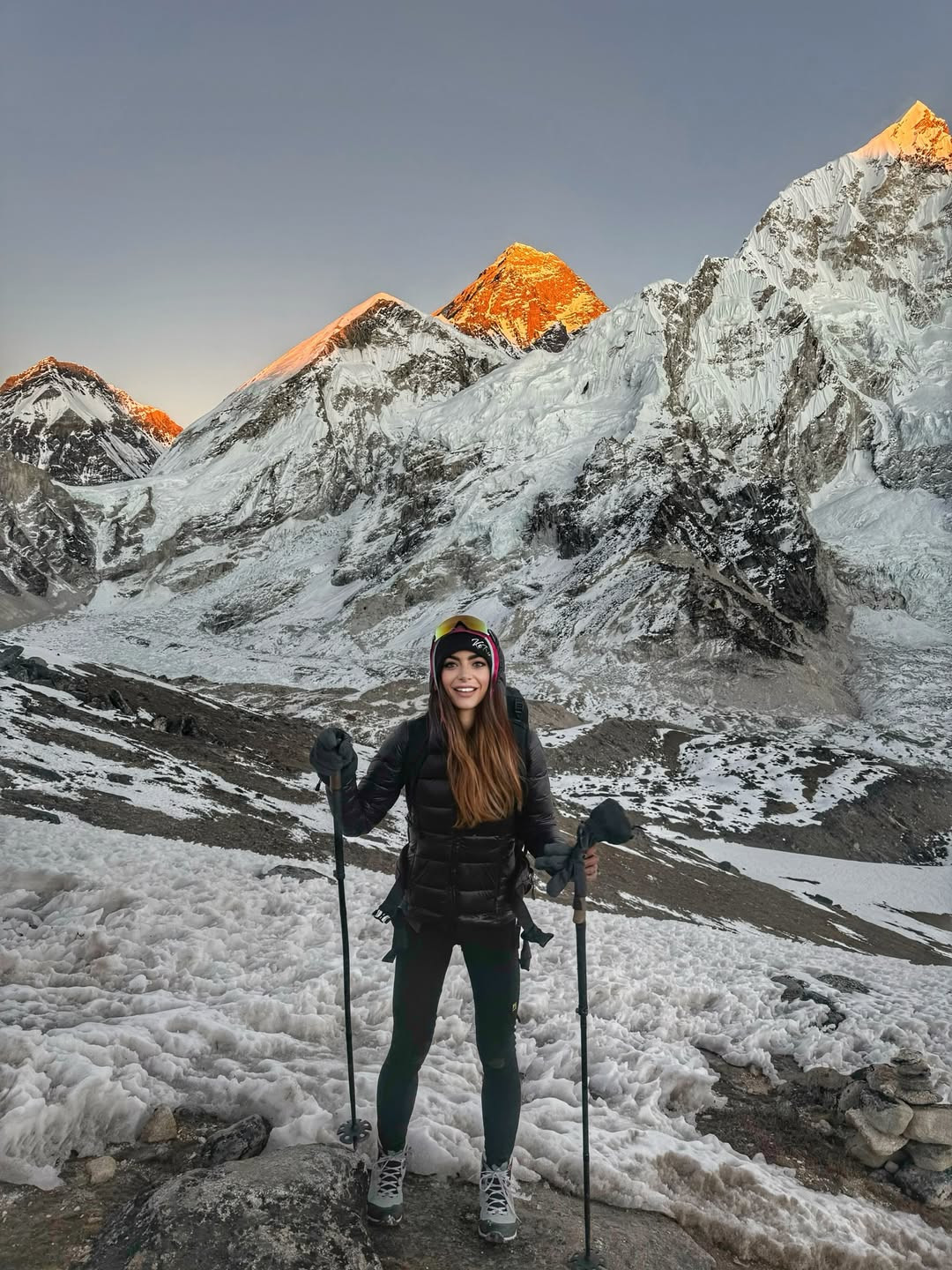
Khumbu Icefall: A moving glacier with towering ice blocks and deep crevasses
-
Western Cwm: A valley of snow between massive mountain walls
-
Lhotse Face: A steep ice wall requiring fixed ropes and technical climbing
-
South Col: The final camp before your summit push
-
Summit Ridge: The last stretch to the top of the world
Each section presents unique challenges. Our guides know every inch of this route and will prepare you thoroughly.
Why Choose Our Everest Climbing Expedition
Choosing the right company determines your Everest success. Here’s why climbers choose us:
Proven Success and Safety
-
High summit success rate through expert planning
-
Strong safety protocols and emergency procedures
-
Years of experience guiding climbers on Everest
Expert Team Support
-
One-to-one Sherpa-to-climber ratio on summit day
-
Professional Western leaders coordinating all logistics
-
Experienced Sherpas with multiple Everest summits
-
Base camp doctor for medical monitoring
Complete Expedition Logistics
-
All climbing permits arranged
-
High-quality oxygen systems and technical equipment
-
Comfortable base camp with communication facilities
-
Nutritious meals prepared by trained mountain cooks
Personalized Planning
The expedition can be customized to match your experience and requirements.
Limited spots available. Contact Himalaya Trekking Nepal to secure your Everest Expedition 2026.
Everest Climbing Prerequisites
An Everest climbing expedition requires serious preparation. Before joining our team, you must meet these requirements:
1. Essential Experience Requirements
Prior High-Altitude Climbing: You must have successfully summited at least one peak over 7,000 meters in Nepal. We need to see proof like:
-
Expedition completion certificates
-
Summit photos with GPS data
-
Radio dispatch records from previous climbs
This experience proves you can handle extreme altitude, thin air, and the mental challenges of high-mountain climbing.
2. Physical Fitness Standards
Climbing Everest demands exceptional physical condition:
-
Cardiovascular endurance for long days of climbing
-
Leg strength for ascending steep slopes with heavy gear
-
Core stability for balance on technical terrain
-
Stamina to keep going when tired at an extreme altitude
Recommended training: 6-12 months of intense preparation, including hiking with weighted packs, stair climbing, cardio workouts, and strength training.
3. Technical Climbing Skills
You must be comfortable with:
-
Climbing with crampons on steep ice
-
Using ice axes for ascending and self-arrest
-
Fixed-rope techniques with ascenders and descenders
-
Crossing aluminum ladders over crevasses
-
Setting up camps in harsh conditions
4. Medical Clearance
A complete medical check-up is required. Doctors will check for:
-
Heart and lung function
-
Blood pressure stability
-
No history of altitude sickness complications
-
Overall health suitable for extreme conditions
5. Mental Preparedness
The mountain tests your mind as much as your body. You'll face:
-
Long periods away from home (50+ days)
-
Extreme cold and discomfort
-
Difficult decisions about continuing or turning back
-
Patience during weather delays
Not sure if you're ready? Contact our team for a detailed assessment and custmized trip
 Important Trip Note
- Everest requires advanced mountaineering experience (minimum one 7,000m summit).
- All climbers must join an organized expedition through a licensed Nepali operator like Himalaya Trekking Nepal.
- Mandatory permits include the Everest Climbing Permit, Icefall Route fee, National Park fee, TIMS, and Liaison Officer charges.
- Acclimatization is essential expect multiple high-altitude rotations before the summit push.
- Around 40–50% of climbers experience mild to moderate altitude symptoms; Base Camp doctors monitor daily.
- Bring proper expedition gear: down suit, double boots (8000m), glacier glasses, harness, ice axe, sunscreen SPF 50+, power bank.
- Weather in the Himalayas can change rapidly; summit attempts depend on safe weather windows.
- High-altitude travel insurance covering medical evacuation (USD 100,000+), injury, and trip cancellation is mandatory.
- Respect Sherpa culture; all teams participate in a Puja ceremony before entering the Icefall.
- Communication tools include radio, limited Base Camp Wi-Fi, and optional satellite phones.
- Success rates for well-prepared teams range 70–100%, depending on weather and fitness.
- The death zone (8,000m+) is inherently dangerous; safety systems significantly reduce but do not eliminate risk.
Itinerary
-
Day 1 Arrival in Kathmandu
Your Everest journey begins in Kathmandu, the vibrant capital of Nepal. Upon arrival at Tribhuvan International Airport, you’ll be transferred to your hotel. This day is for rest, adjusting to the altitude, and preparing mentally for the incredible adventure ahead. In the evening, enjoy a welcome dinner with your team, sharing excitement and goals for the expedition.

Accommodation
4–5 Star Hotel

Meals
Dinner

Duration
Free day

Max Altitude
1400m
-
Day 2 Preparation and Gear Check
A full day is dedicated to final preparations. You will meet your guides, Sherpas, and fellow climbers. Permits are processed, equipment is checked, and expedition plans are explained. Learning about the journey ahead helps you visualize the climb and mentally prepare for the challenges.
Accommodation
4–5 Star Hotel
Meals
Breakfast, Lunch, Dinner
Duration
Full day
Max Altitude
1400m
-
Day 3 Flight to Lukla and Trek to Phakding (2,610m)
An early morning flight to Lukla, one of the world’s most famous airports, offers stunning aerial views of the Himalayan range. From Lukla, a moderate trek to Phakding introduces you to the beautiful Dudh Kosi valley, suspension bridges, and traditional Sherpa villages. Overnight in a cozy tea house sets the tone for life on the trail.
Accommodation
Tea House
Meals
Breakfast, Lunch, Dinner
Duration
4–5 hours
Max Altitude
2610m
-
Day 4 Trek to Namche Bazaar (3,440m)
The trek continues through pine forests, rivers, and suspension bridges. Namche Bazaar, the gateway to Everest, is a bustling Sherpa town where you can explore markets, meet local people, and experience the culture of the Himalayas. Day 5 is spent acclimatizing with short hikes, giving your body time to adjust to higher altitudes.
Accommodation
Tea House
Meals
Breakfast, Lunch, Dinner
Duration
6–7 hours (Day 4), 2–3 hours hike (Day 5)
Max Altitude
3440m
-
Day 5 Trek to Deboche (3,720m)
Walking along the Dudh Koshi River, the trail passes through rhododendron forests and small villages. Stop at the magnificent Tengboche Monastery, the largest in the Khumbu region. This day blends cultural experiences with breathtaking views, preparing your body for higher altitudes.
Accommodation
Tea House
Meals
Breakfast, Lunch, Dinner
Duration
5–6 hours
Max Altitude
3720m
-
Day 6 Trek to Dingboche (4,410m) and Acclimatization
The trek to Dingboche passes Pangboche village and introduces increasingly challenging terrain. The following day is a rest and acclimatization day, often including hikes to nearby peaks like Nagarjun Hill (5,050m) to help your body adapt. These hikes are essential for safety and endurance.
Accommodation
Tea House
Meals
Breakfast, Lunch, Dinner
Duration
5–6 hours (Day 7), 2–3 hours hike (Day 8)
Max Altitude
4410m
-
Day 7 Trek to Lobuche (4,940m) and Gorak Shep (5,140m)
Walking past glaciers, moraine paths, and memorials for fallen climbers, you gain a deep appreciation for Everest’s majesty and risks. The trek to Gorak Shep brings you closer to Everest Base Camp, providing a preview of the high-altitude environment you will soon face.
Accommodation
Tea House (Lobuche) / Tea House (Gorak Shep)
Meals
Breakfast, Lunch, Dinner
Duration
5–7 hours each day
Max Altitude
5140m
-
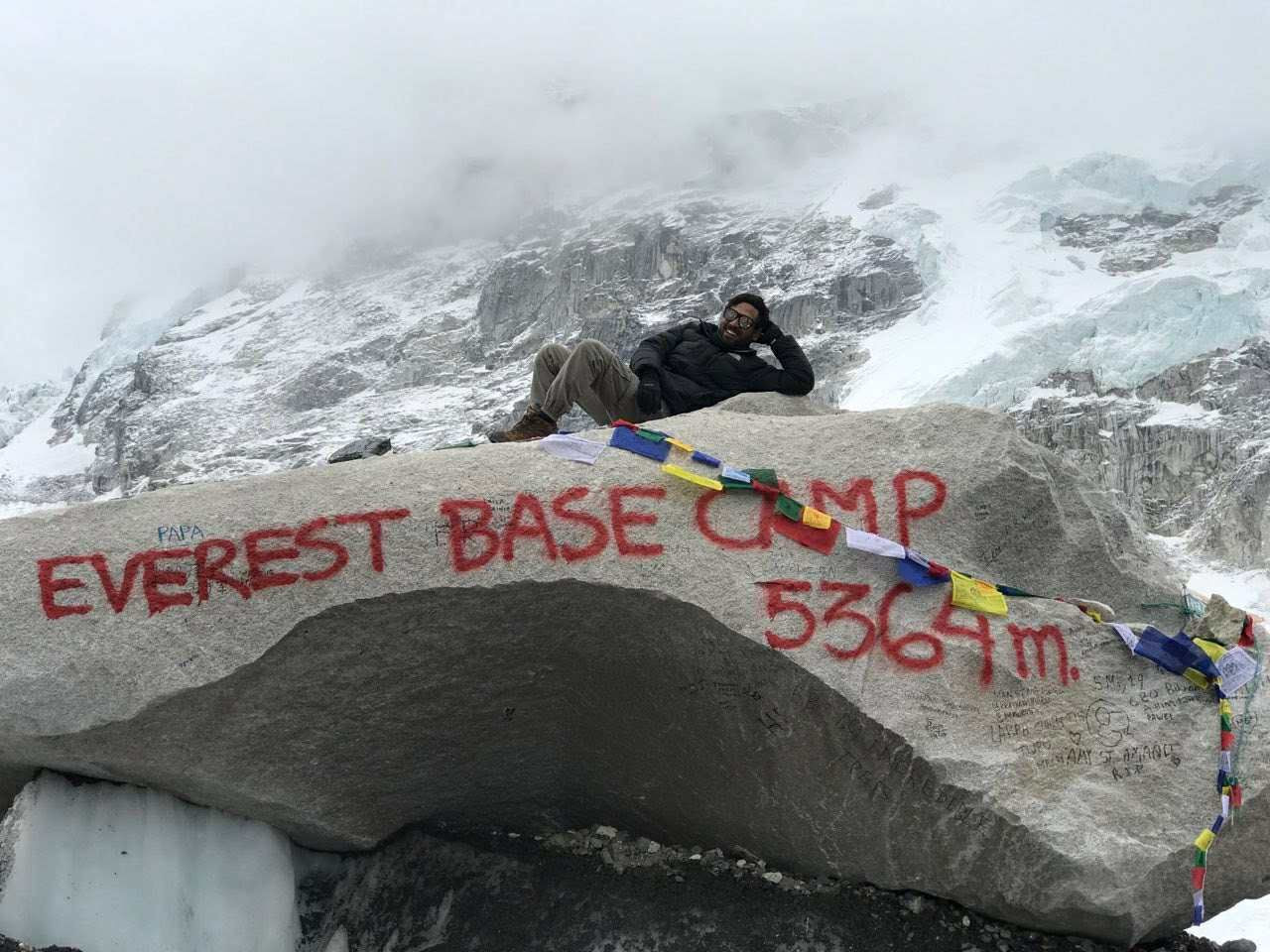
Day 8 Arrival at Everest Base Camp (5,364m)
Arriving at the legendary Base Camp is a truly unforgettable experience. You’ll see tents, flags, and climbers preparing for summit attempts. Base Camp is not just a resting point; it’s the heart of the expedition, where strategies are refined, and climbers gather energy for the rotations ahead.
Accommodation
Base Camp Tent
Meals
Breakfast, Lunch, Dinner
Duration
3–4 hours
Max Altitude
5364m
-
Day 9 Base Camp Training and Puja Ceremony
Training days are critical. Learn essential skills like rope climbing, ladder crossing, and crevasse navigation under expert supervision. Participate in a Puja ceremony, a traditional ritual to seek blessings for a safe and successful climb. These days combine practical preparation with cultural immersion, setting the stage for the demanding rotations.
Accommodation
Base Camp Tent
Meals
Breakfast, Lunch, Dinner
Duration
Full days
Max Altitude
5364m
-
Day 10 First Rotation – Lobuche East Peak (6,119m)
This climb is optional but highly recommended. Ascending Lobuche East improves altitude tolerance, enhances climbing technique, and allows you to experience the high mountains’ extreme conditions before tackling Everest itself. Returning to Base Camp, climbers feel more confident and prepared.
Accommodation
High Camp Tents / Base Camp Tents
Meals
Breakfast, Lunch, Dinner
Duration
6–8 hours per day
Max Altitude
6119m
-
Day 11 Rest and Preparation
Rest is as important as climbing. These days allow your body to recover, while guides review weather forecasts, summit windows, and logistics. Focus on hydration, nutrition, and light hikes to maintain fitness.
Accommodation
Base Camp Tent
Meals
Breakfast, Lunch, Dinner
Duration
Rest days
Max Altitude
5364m
-
Day 12 High Camp Rotations
Move to Camp 1 (6,065m), then Camp 2 (6,400m – Advanced Base Camp), and touch Camp 3 (7,200m). These rotations teach climbers how their bodies respond to extreme altitude and prepare them for the death zone above 8,000 meters. Supplemental oxygen use begins, and climbers refine techniques like ladder crossing and rope navigation.
Accommodation
Camp Tents (C1–C3)
Meals
Breakfast, Lunch, Dinner
Duration
6–12 hours per day
Max Altitude
7200m
-
Day 13 Recovery and Final Summit Preparation
Return to Base Camp for several rest days before the summit push. These days are crucial for recovery, mental preparation, and monitoring weather forecasts. Expedition leaders confirm the summit window, usually in late May for spring.
Accommodation
Base Camp Tent
Meals
Breakfast, Lunch, Dinner
Duration
Rest days
Max Altitude
5364m
-
Day 14 Summit Push
The final ascent is the most challenging part. Starting from Camp 4 (South Col, 7,920m), climbers make their way along the South-East Ridge, pass the South Summit and Hillary Step, and reach the summit at 8,848.86m. High-flow supplemental oxygen and Sherpa support are essential. The descent follows carefully to Base Camp. This is the pinnacle of human achievement and a moment of personal triumph.
Accommodation
High Camps Tents (C1–C4)
Meals
Breakfast, Lunch, Dinner
Duration
10–18 hours on summit day
Max Altitude
8848m
-
Day 15 Descent to Base Camp
Descend gradually through high camps to Base Camp. Overnight stops allow recovery from the extreme exertion and altitude. Climbers often reflect on the journey, friendships formed, and lessons learned.
Accommodation
High Camps / Base Camp Tent
Meals
Breakfast, Lunch, Dinner
Duration
6–10 hours per day
Max Altitude
5364m
-
Day 16 Contingency Days
These days are reserved for weather delays, recovery, or unforeseen circumstances. Safety is always the priority, and flexibility ensures climbers have the best chance of success.
Accommodation
Base Camp Tent
Meals
Breakfast, Lunch, Dinner
Duration
Weather/rest days
Max Altitude
5364m
-
Day 17 Trek Back to Lukla
Trek through Gorak Shep, Lobuche, Dingboche, and Namche Bazaar, reliving the journey and soaking in final Himalayan vistas. Overnight stays in tea houses offer comfort and opportunity for reflection.
Accommodation
Tea Houses
Meals
Breakfast, Lunch, Dinner
Duration
6–7 hours per day
Max Altitude
3440m
-
Day 18 Lukla – Kathmandu
Take a morning flight back to Kathmandu. Enjoy the dramatic aerial views one last time and transfer to a hotel. This is a day to relax, celebrate, and share stories with your team.
Accommodation
4–5 Star Hotel
Meals
Breakfast, Dinner
Duration
30 min flight
Max Altitude
1400m
-
Day 19 Leisure Day in Kathmandu
Explore Kathmandu, shop for souvenirs, and enjoy local cuisine. A farewell dinner celebrates your incredible achievement.
Accommodation
4–5 Star Hotel
Meals
Breakfast
Duration
Free day
Max Altitude
1400m
-
Day 20 Departure
Transfer to Tribhuvan International Airport for your onward journey. Return home with memories of a lifetime, an achievement that few in the world ever experience.
Meals
Breakfast
Max Altitude
1400m
Cost Breakdown
The cost of a full-service Everest expedition in 2026 varies widely depending on the operator, support level, and oxygen supply. High-end international companies start around $83,000, while reputable Nepali operators offer competitive prices from $42,500, with premium local, tailor-made packages starting at $55,000. These costs typically cover major permits, rope-fixing fees, Sherpa and guide support, oxygen bottles, Base Camp facilities, domestic flights, accommodation, and acclimatization programs.
However, you must still budget for mandatory Sherpa bonuses, travel and high-altitude insurance, personal gear, international flights, visas, and any emergency or contingency expenses. Booking directly with Himalaya Trekking Nepal can also reduce overall costs, as international companies add extra administrative margins.
Dates & Price
- January
- February
- March
- April
- May
- June
- July
- August
- September
- October
- November
- December
Meals & Accommodation
Meals
Everest expedition packages provide three daily meals during the trek and at Base Camp, with breakfast usually included during hotel stays in Kathmandu. Many operators also offer a welcome and farewell dinner. Food quality is generally high, with experienced expedition cooks preparing hygienic, nutritious meals tailored for long-duration climbs.
Base Camp and Camp 2 meals are prepared by dedicated kitchen teams, while higher camps offer energy-rich high-altitude foods designed for performance. We supply fresh vegetables, meat, and fruits weekly, and accommodate dietary restrictions with advance notice.
Accommodation
Accommodation includes hotel stays in Kathmandu, teahouse lodging during the trek, and well-equipped camps on the mountain. Climbers usually stay three to four nights in 4–5-star hotels in Kathmandu with breakfast. Tea houses are used along the trekking route to Everest Base Camp. At Base Camp, we provide spacious tents with mattresses and shared facilities such as dining, kitchen, shower, and toilet tents.
We also offer individual tents with added comfort features like carpets or solar lighting. Higher camps (C1–C4) use durable high-altitude tents, typically shared between two climbers for safety and warmth, with support teams transporting most overnight gear.
Best Time for Climbing Mount Everest
The best time to climb Everest is the spring season (April to late May/early June), when weather is most stable for a safe summit push. Most teams aim to reach the summit in mid-May after completing essential acclimatization.
Key Points
-
Best season: April–May/early June
-
Summit window: Mid-May
-
Reason: Most stable and warmest weather
-
Expeditions start: Early April for acclimatization
-
Forecasts: Operators rely on detailed weather reports
-
Trekking benefit: Clear trails and blooming spring landscapes
Everest Climbing Expedition Permits and Insurance
Permits:
A full Everest expedition includes all mandatory permits and administrative fees required to climb legally in Nepal:
-
Everest Expedition Permit and Summit Route Permit (Ice Fall Route)
-
National Park and TIMS permit fees
-
Rope fixing charges and SPCC Icefall Route fees
-
Liaison Officer wages and allowances
-
Acclimatization permits for additional peaks, e.g., Lobuche Peak
-
Only licensed Nepali companies like Himalaya Trekking Nepal can operate expeditions; foreign operators work through a Nepali partner responsible for all legal and administrative arrangements
Insurance:
Insurance is mandatory for all climbers and is usually not included in the base expedition price:
-
High-altitude and travel insurance covering accidents and medical expenses
-
Emergency helicopter evacuation for conditions like Acute Mountain Sickness (AMS); costs can exceed US$100,000
-
Repatriation coverage for emergency return
-
Trip cancellation and contingency coverage recommended due to non-refundable deposits
-
Operators often recommend trusted providers (e.g., Global Rescue) to facilitate quick and reliable emergency response
-
Exclusion: Expedition price does not cover personal insurance; climbers must obtain their own policy to cover evacuation, medical, and related costs
Everest Expedition Gear and Equipment
Summiting Mount Everest requires specialized high-altitude clothing, technical climbing gear, and personal camping equipment. While we provide communal gear like ropes, high camps, and Base Camp infrastructure, climbers must prepare their personal essentials for safety, warmth, and performance.
Personal Clothing and Accessories
Climbers need clothing designed for extreme cold and altitude, especially in the "death zone":
-
Head and Face: Warm hats, balaclavas, buffs, UV-blocking glacier glasses, anti-fog ski goggles, and headlamps (with spare batteries)
-
Upper Body: Base layers, mid-layers, insulated jackets, hardshell jackets, and a heavy down suit for summit
-
Lower Body: Trekking pants, mid-weight trousers, insulated down pants, and waterproof hardshell pants
-
Hands and Feet: Layered gloves (liner, mid, heavyweight, down mittens), 8000m mountaineering boots, trekking shoes, camp shoes, and socks for various layers
Technical Climbing Gear
Essential climbing tools and personal safety equipment include:
-
Fixed Line Tools: Ascender/Jumar, Descender/Figure 8, ATC Guide
-
Protection & Connection: Harness, helmet, carabiners, prussik cords, and slings
-
Movement Gear: Ice axe, crampons, and personal backpack (45–55 L)
We supply communal ropes, ice screws, and climbing support equipment.
Camping and Sleeping Equipment
Personal camping gear ensures comfort and safety at Base Camp and higher camps:
-
Sleeping Bags: –20°C for Base Camp, –40°C for higher camps
-
Sleeping Mat: Inflatable mattress
-
Trekking Poles: Required for trekking and climbing
-
Tents: Individual or single tents at Base Camp; high-quality twin-sharing tents at C1–C4
Optional Items
Additional items improve safety, communication, hygiene, and comfort:
-
Navigation & Communication: Garmin InReach Mini, camera with charger or spare batteries
-
Hydration: Water bottles with insulated covers, Thermos
-
Personal Care: Quick-dry towel, toiletries, sunscreen, lip balm, hand sanitizer, basic first aid kit
-
Repairs & Utility: Multi-tool, sewing kit, duct tape
-
Documents: Passport, visa, photos, travel insurance, flight tickets, ID cards
-
Snacks & Comfort: Energy bars, chocolates, dry fruits, personal snacks
-
Other: Binoculars, notebook, pens, pee bottle, laundry bag, waterproof bags
Safety Measures and Support
Safety is the top priority on Everest expeditions, ensured through expert guides, medical care, oxygen, and robust logistics.
-
Expert Guides & Sherpas: IFMGA/UIAGM-certified guides lead climbs; 1:1 Sherpa-to-climber ratio for summit support. Experienced Sherpas with multiple summits provide technical expertise.
-
Medical & Oxygen Support: Base Camp doctors monitor health; high-flow oxygen and extra emergency oxygen are available for all climbers.
-
Logistics & Rescue: Evacuation plans, helicopter access, real-time weather monitoring, and acclimatization climbs like Lobuche East enhance safety.
-
Mandatory Insurance: Travel and high-altitude insurance covering medical emergencies and evacuation is required. Recommended providers include Global Rescue.
-
Environmental Responsibility: Climbers use Restop toilet bags to carry waste, keeping the mountain safe and clean.
Book Your Everest Climbing Expedition
Climbing Mount Everest is the ultimate adventure for experienced climbers. You should have climbed 6,000m or 7,000m peaks before, and 8,000m peaks are recommended. Good physical fitness, climbing skills, and mental strength are essential.
Booking Options:
-
Group departures: April to May
-
Private and customized expeditions
Costs & Payment:
-
Prices range from $42,500 to $83,000
-
A non-refundable deposit required to secure your spot
Requirements:
-
Mandatory high-altitude insurance covering emergencies
-
6–9 months of training recommended
Ready to conquer Everest? Apply now to join a guided expedition and make your summit dream a reality with Himalaya Trekking Nepal!
Gallery


FAQ's
-
What is the success rate for Everest climbers?
Success rates are higher with experienced operators. Teams with 1:1 Sherpa support and high-quality guides have the best chances, with some operators reporting up to 90–100% summit success for their clients.
-
How physically fit do I need to be for Everest?
You need exceptional fitness. Climbers should train for 6–9 months, focusing on strength, endurance, and cardio. Trekking at high altitude with a weighted backpack is recommended to prepare your body for the extreme conditions.
-
What is included in the Everest climbing package?
Packages typically include experienced guides, Sherpa support, a base camp doctor, high-flow bottled oxygen, all necessary permits, accommodation in Kathmandu, teahouses on trek, base camp and high camp tents, nutritious meals, domestic flights, and porterage for equipment.
-
Do I need previous high-altitude experience?
Yes, you must have experience on multiple 6,000–7,000 m peaks, and it is strongly recommended to have climbed an 8,000 m peak before attempting Everest. This helps with acclimatization, technical skills, and understanding how your body reacts to extreme altitude.
-
How long does the Everest expedition take?
The full expedition lasts about 54–58 days. This includes trekking to Base Camp (3–12 days), multiple acclimatization rotations at higher camps, and the final summit push, usually around Day 50.
-
What permits are required for Everest?
Mandatory permits include the Everest Expedition Permit, Summit Route Permit (Ice Fall Route), TIMS card, and national park fees. If climbing an additional peak like Lobuche for acclimatization, a separate permit is needed. All foreign operators must work through a licensed Nepali company.
-
Can beginners join the expedition?
No. Everest is classified as Advanced or Extreme. You must have advanced mountaineering skills, prior high-altitude experience, and be self-sufficient in technical climbing situations.
-
What safety measures are in place during the climb?
We provide expert IFMGA-certified guides, a high Sherpa-to-climber ratio (1:1 on summit day), a base camp doctor, high-flow oxygen, evacuation and rescue plans, and mandatory high-altitude insurance. Weather forecasts and acclimatization schedules are carefully managed to maximize safety.
-
How does the cost of the Everest expedition vary by season?
Climbing is limited to the Spring window (April–May/early June). Prices depend on the operator and service level, ranging from around $42,500 with local operators to $83,000 with high-end international operators. Custom and premium packages can cost more.
-
What is the death rate of climbing Mount Everest?
Climbing above 8,000 m enters the “death zone,” where risks like altitude sickness, heart attacks, or strokes exist. While experienced operators reduce risk through support and safety measures, the mountain remains inherently dangerous.


.jpeg)

-
 Safety Trips
 - Expert Guides
- Resonable Price
- Experienced