Annapurna Region Overview: Geography, Peaks & Trekking History in Nepal
The name “Annapurna” comes from Sanskrit, meaning “Goddess of Harvests” or “Full of Food,” reflecting the area’s historic role as a fertile and life-sustaining region. The Annapurna Massif includes 14 peaks over 7,000 meters and offers diverse ecosystems ranging from subtropical forests at lower altitudes to barren high-altitude deserts near the peaks.
Key Peaks and Features:
-
Annapurna I: 8,091 m (26,545 ft), the 10th highest peak in the world.
-
Dhaulagiri: 8,167 m (26,795 ft), neighboring giant of Annapurna.
-
Machhapuchhre: Iconic twin-peaked “Fishtail Mountain.”
-
Kali Gandaki Gorge: World’s deepest gorge, carved between Annapurna I and Dhaulagiri.
The Annapurna Conservation Area protects over 7,600 km² of diverse habitats, hosting wildlife such as Himalayan Thar, Blue Sheep, and numerous bird species. Natural wonders like the hot springs at Jhinu Danda provide trekkers with relaxing stops along the way. Annapurna was the first 8,000-meter peak successfully summited in 1950 by Maurice Herzog and Louis Lachenal, putting the region on the global map for climbers and adventurers.
Why Trek in the Annapurna Region?
-
World‑class Mountain Scenery: The best views of Annapurna Range and Himalayan panoramas including Annapurna, Dhaulagiri, Nilgiri, and Machhapuchhre.
-
Diverse Landscapes: Subtropical forests, alpine meadows, glacial valleys, and barren highlands.
-
Cultural Immersion: Traditional villages, monasteries, ethnic communities like Gurungs, Magars, and Thakalis.
-
Excellent Trekking Infrastructure: Well-supported trails with teahouses, lodges, and experienced guides.
-
Accessible Trailheads: Starting points near Pokhara with good road connectivity.
-
Best Seasons: Spring (March–May) and Autumn (September–November) for clear skies and ideal weather.
Getting to Annapurna Trailheads:
-
Pokhara → Nayapul: 1–2 hour drive, starting point for ABC and Ghorepani Poon Hill
-
Pokhara → Besisahar: 4–5 hour drive, starting point for Annapurna Circuit
-
Private vehicles, local buses, and shared jeeps are available
-
Option for helicopter transfers for luxury trekking packages
Alternative Adventures
-
Helicopter Tours: Scenic flights over Annapurna and Machhapuchhre.
-
Mountain Biking / Motorbiking: Explore trails beyond hiking.
-
Volunteering: Support local communities and schools.
-
Luxury Lodge Trekking: Trek with comfort and hot meals.
-
Photography & Nature: Capture wildlife, villages, and Himalayan landscapes.
Key Highlights of Annapurna Region Treks
1. World’s Deepest Gorge – Kali Gandaki Gorge
Experience dramatic cliffs, fast-flowing rivers, and terraced fields in the world’s deepest gorge. This area also connects the cultural regions of Mustang and central Nepal.
2. Diverse Trek Options
3. Sacred Sites and Pilgrimage Stops
-
Muktinath Temple: A sacred Hindu-Buddhist site near Thorong La Pass.
-
Buddhist Monasteries & Chortens: You'll encounter prayer wheels, stupas, and meditation spaces along the trails.
4. Rich Cultural Experiences
-
Interact with ethnic communities like Gurungs, Magars, Thakalis, and Manangis.
-
Stay in teahouses and local lodges for authentic cultural immersion.
-
Witness traditional crafts, rituals, and festivals that have survived centuries.
5. Natural and Scenic Diversity
-
Lower altitudes: Subtropical forests, bamboo groves, and terraced fields.
-
Mid-altitudes: Rhododendron forests, alpine meadows, and waterfalls.
-
High altitudes: Glacial valleys, barren deserts, and panoramic Himalayan views.
Book your Annapurna trekking packages with expert guides of Himalaya Trekking Nepal for the best Nepal Himalaya trekking tours. Enjoy Himalayan adventure tours and unforgettable Nepal trekking holidays with our tailored itineraries.
Top 7 Best Annapurna Region Trekking Packages - Choose Your Adventure
1. Annapurna Circuit Trek
Annapurna Circuit Trek is the classic trek that circles the entire Annapurna Massif. Cross the famous Thorong La Pass and experience diverse landscapes from subtropical forests to high mountain deserts.
-
Cross Thorong La Pass (5,416m)
-
Visit sacred Muktinath temple
-
Walk through Kali Gandaki Gorge
-
Experience rich cultural diversity
-
Stay in traditional teahouses
Annapurna Base Camp Trek
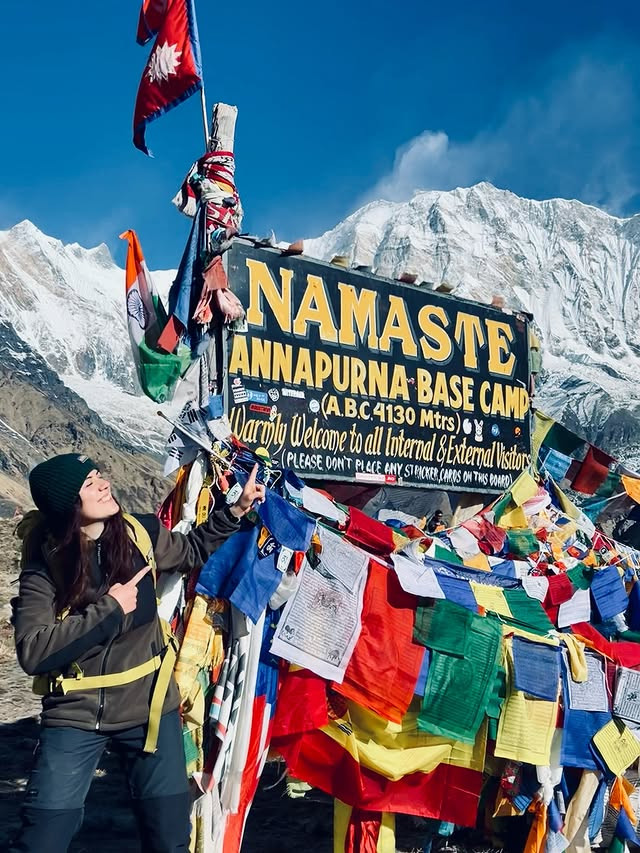
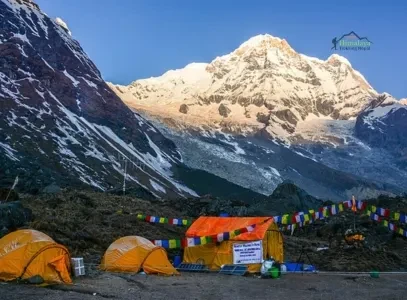
During Annapurna Base Camp Trek, you‘ll trek into the Annapurna Sanctuary, a natural amphitheater surrounded by towering peaks. It’s perfect for those wanting close-up mountain views without extreme altitude.
-
Reach ABC at 4,130 meters
-
360° views of Annapurna Massif
-
Walk through rhododendron forests
-
Relax in Jhinu Danda hot springs
-
Suitable for beginners with fitness
3. Ghorepani Poon Hill Trek
Ghorepani Poon Hill Trek is also known as the Annapurna Sunrise Trek, this short trek is perfect for families and first-time trekkers. Watch magical sunrise views from Poon Hill (3,210m).
-
Stunning sunrise at Poon Hill
-
Views of Dhaulagiri & Annapurna
-
Walk through charming villages
-
Perfect for limited time
-
Family-friendly route
4. Mardi Himal Trek
Mardi Himal Trek is a quieter alternative with incredible close-up views of Machhapuchhre (Fishtail Mountain). Experience pristine trails away from crowds.
5. Khopra Ridge Trek
Off-the-beaten-path adventure on Khopra Danda with panoramic Himalayan views. Visit the sacred Khayer Lake for a complete experience.
-
Panoramic ridge views
-
Visit sacred Khayer Lake
-
Community lodge stays
-
Peaceful trails
-
Cultural immersion
6. Nar Phu Valley Trek
You'll explore the remote and mystical Nar Phu Valley with Tibetan-influenced culture. This hidden gem offers authentic mountain experiences.
-
Remote Himalayan valleys
-
Ancient Tibetan culture
-
Medieval villages & monasteries
-
Combine with Circuit Trek
-
True adventure experience
7. Upper Mustang Trek
The Upper Mustang Trek is a 10–14 day moderate-to-challenging adventure into Nepal’s remote “Forbidden Kingdom,” offering dramatic desert-like landscapes, deep canyons, and Tibetan-influenced culture. You can explore ancient monasteries, traditional villages, and the walled city of Lo Manthang while witnessing local festivals and unique customs. This trek is best undertaken in spring (March–May) or autumn (September–November) and requires special permits and a licensed guide.
For those with limited time, short treks in the Annapurna Region provide a perfect opportunity to experience Himalayan beauty without committing to longer journeys.
When to Trek in Annapurna Region - Best Seasons
Timing is everything for a successful Himalayan adventure. The Annapurna Region welcomes you year-round, but two seasons stand out for the best experience.
The best time to visit Annapurna Region is during the Spring (March–May) and Autumn (September–November) trekking seasons, offering stable weather, lush rhododendron blooms, and the clearest mountain views. Lower altitude treks may also be possible in winter, while monsoon brings greener trails but heavier rainfall and occasional leeches.
Autumn (September–November) – Best Overall Season
Autumn is the prime trekking season in the Annapurna Region. During this period, the skies are usually clear, offering panoramic views of the Himalayas, including Annapurna I, Dhaulagiri, and Machhapuchhre. Stable weather ensures comfortable trekking conditions, making it ideal for both beginners and experienced trekkers. The harvest season adds a cultural dimension, with local villages celebrating traditional festivals, showcasing colorful attire, rituals, and local cuisine. Trails are generally dry, reducing the risk of slippery paths, and wildlife sightings are more frequent in lower forests.
Temperature: Days are comfortably warm, ranging from 15°C to 22°C in lower altitudes, while nights are cool, dropping to 5°C–12°C, especially in higher villages and passes.
Spring (March–May) – Rhododendron Paradise
Spring transforms the Annapurna Conservation Area into a vibrant and colorful paradise. The forests bloom with thousands of rhododendrons, painting the trails in shades of red, pink, and white. This season provides pleasant temperatures and excellent visibility of snow-capped peaks. Spring is particularly attractive for nature lovers and photographers, offering opportunities to witness alpine meadows, flowing rivers, and diverse flora. Animal activity increases, and trekkers often spot Himalayan Thar, Blue Sheep, and exotic birds along the trails.
Temperature: Days are warm and enjoyable, ranging from 16°C to 24°C at lower elevations. Nights remain mild, typically 6°C–14°C, making camping or teahouse stays comfortable.
Winter (December–February) – Cold but Clear
Winter trekking in Annapurna is less crowded, offering a peaceful and serene trekking experience. Lower-altitude routes, such as the Ghorepani Poon Hill Trek, remain accessible, though higher passes like Thorong La may be snowbound. The cold, crisp air provides spectacular clarity for mountain photography, and you can enjoy stunning sunrises and sunsets without the usual crowds. However, temperatures drop significantly at higher elevations, and heavy snowfall can block trails. Proper gear and winter trekking experience are essential for safety.
Temperature: Days in lower valleys can reach 10°C–15°C, while nights can plunge below freezing, often -5°C to -10°C at higher altitudes.
Monsoon (June–August) – Green Trails with Rain Challenges
Monsoon season transforms the Annapurna Region into lush, green landscapes. Waterfalls surge, rivers swell, and terraced fields shine in vibrant green. While the scenery is breathtaking, trekking during the monsoon comes with challenges. Trails become muddy and slippery, especially on steep slopes and high passes such as Thorong La, which are not recommended during this period. Leech infestations in lower forests are common, and heavy rainfall can disrupt travel plans. You should be well-prepared with waterproof gear, hiking poles, and caution for slippery trails.
Temperature: Lower valleys remain warm, around 20°C–25°C during the day, while nights are cooler, 12°C–16°C. Higher altitudes remain cold and wet.
Culture, Flora & Fauna in Annapurna Region
The Annapurna Region’s biodiversity ranges from rhododendron forests and bamboo groves to alpine meadows, hosting wildlife such as Himalayan tahr, blue sheep, and diverse bird species. Its villages reflect rich traditions and warm hospitality from Gurung and Magar settlements in lower elevations to Tibetan Buddhist influences in higher valleys.
The Annapurna Conservation Area protects incredible biodiversity and rich cultural heritage. Your trek is more than just mountains - it's a journey through living traditions and pristine wilderness.
Natural Wonders
Diverse Ecosystems: Walk through rhododendron forests, bamboo groves, terraced fields, and alpine meadows. Each altitude zone reveals new plant species and landscapes.
Wildlife Encounters: Spot Himalayan tahr, blue sheep, musk deer, and over 400 bird species. The Annapurna Massif area is a wildlife paradise for nature lovers.
Dramatic Geography:
-
Kali Gandaki Gorge: The world’s deepest gorge, flanked by Annapurna and Dhaulagiri.
-
Glacial Lakes: Tilicho Lake (one of the world’s highest lakes at 4,919m) and other smaller glacial lakes along the trail.
-
Hot Springs: Jhinu Danda offers natural thermal pools, perfect for relaxation after long days of trekking.
-
Mountain Walls and Peaks: Towering giants like Machapuchare (Fishtail), Annapurna I, Hiunchuli, and Gangapurna dominate the skyline.
-
Waterfalls & Streams: Numerous cascading waterfalls and glacial streams, especially along Modi Khola and Chomrong Khola.
-
Rock Formations & Cliffs: Dramatic cliffs, deep gorges, and landslide-formed landscapes showcase the young Himalayan geology.
Cultural Richness
Ethnic Communities: Meet Gurung, Magar, Thakali, and Manangi people. Each group has unique traditions, languages, and customs that have survived for centuries in these mountains.
Buddhist Heritage: Visit ancient monasteries, prayer wheels, and sacred sites. The Tibetan Buddhist influence grows stronger as you trek higher into the mountains.
Traditional Villages: Stay in authentic mountain villages with stone houses, experience local hospitality in teahouses, and taste traditional Nepali cuisine prepared by local families.
Trekking Permits & Requirements for Annapurna Treks
Don't worry about paperwork - we handle all your permits! Every trekker needs these documents before entering the Annapurna Conservation Area:
ACAP Permit: The Annapurna Conservation Area Permit (ACAP) is mandatory for all international trekkers. This permit helps protect the region's natural beauty and supports local communities.
TIMS Card: The Trekkers' Information Management System card tracks your safety. It's required for all trekking routes and helps rescue teams if needed.
Note: Permits can be obtained in Kathmandu or Pokhara. When you book with us, we handle everything so you can focus on enjoying your adventure! Contact Himalaya Trekking Nepal now for Annapurna Region Treks
How to Prepare for Annapurna Trekking Region?
Trekking in the Annapurna Region exposes you to diverse altitudes, from lush valleys to high Himalayan passes. Proper acclimatization and gear are crucial for safety, comfort, and enjoyment across all treks.
Acclimatization Tips
-
Rest Days: Take rest days at key locations such as Chhomrong, Bamboo (ABC), Manang, and Muktinath (Annapurna Circuit) to allow your body to adjust to high altitudes.
-
Pace Yourself: Walk slowly during climbs, especially above 3,000 m. Avoid rushing to prevent altitude sickness.
-
Hydration: Drink plenty of water and avoid alcohol. Small, frequent meals help maintain energy.
-
Listen to Your Body: Be alert for symptoms of altitude sickness (headache, nausea, fatigue) and descend if severe.
-
Short Walks: On higher passes, take short walks and avoid overexertion.
Essential Gear
-
Clothing: Layered trekking outfits for warmth and comfort; insulated down jacket for cold evenings and high-altitude areas.
-
Footwear: Durable trekking boots with ankle support; gaiters for snow or muddy trails.
-
Sleeping: High-quality sleeping bag (rated -10°C for moderate treks, -15°C for challenging treks like the Circuit).
-
Support Gear: Trekking poles for stability, sunglasses, sunscreen, gloves, and a warm hat.
-
Hydration & Nutrition: Water bottles, hydration packs, and purification tablets. Pack energy snacks for long hikes.
-
Extras: Lightweight backpack, headlamp, basic first aid kit, and camera to capture stunning Himalayan landscapes.
Trek-Specific Notes
-
Annapurna Base Camp Trek (ABC, 4–15 days): Suitable for beginners; rest at Chhomrong or Bamboo. Moderate altitude exposure, with ABC summit at 4,130 m.
-
Annapurna Circuit Trek (ACT, 10–23 days): Challenging; includes Thorong La Pass at 5,416 m. Rest at Manang and Muktinath; monitor for altitude sickness carefully.
-
Ghorepani Poon Hill Trek (2–9 days): Easy and family-friendly; Poon Hill viewpoint at 3,210 m. Gradual ascent allows easy acclimatization.
-
Mardi Himal Trek (6–10 days): Moderate; less crowded with close views of Machhapuchhre. Layered clothing is essential.
-
Khopra Ridge Trek (7–15 days): Moderate-Challenging; panoramic ridge views; pack warm clothing for ridge nights.
-
Nar Phu Valley Trek (10–18 days): Challenging and remote; be fully prepared for altitude and cold.
-
Tilicho Lake & Upper Mustang Treks: Higher altitudes and exposed trails; bring heavy-duty gear and extra layers.
Tip: Always carry a small daypack with water, snacks, sunscreen, and a first-aid kit during daily treks, even if your main luggage is transported by porters.
Why Choose Annapuna Region Treks?
The Annapurna Region is one of Nepal’s most sought-after trekking destinations, offering stunning Himalayan panoramas, including iconic peaks like Annapurna, Machhapuchhre (Fishtail), and Dhaulagiri. Trekkers can explore diverse landscapes, from lush rhododendron and pine forests to alpine meadows, glacial rivers, and cascading waterfalls. Along the way, experience the rich culture of Gurung, Magar, Tamang, and Thakali communities, with traditional villages, monasteries, and warm local hospitality.
Annapurna treks cater to all levels, with well-marked trails, teahouses, and professional guides, making it ideal for beginners and experienced adventurers alike. Accessible from Pokhara, with reliable transport and support, the region is perfect for both short and extended treks. The best seasons to trek are Spring (March–May) and Autumn (September–November), offering clear skies and comfortable temperatures.
Start your Annapurna adventure today and discover the breathtaking beauty and culture of Nepal with Himalaya Trekking Nepal!