Trip Facts

Trip Start/Ends
kathmandu | kathmandu

Trip Difficulty
Challenging

Trip Style
A mix of rugged trails

Meals
Breakfast, Lunch, Dinner

Accomodation
Hotel, Tea House

Max. Elevation
5,555m

Group Size
2 - 10

Activity
5-6 hours/day

Best Season
March-May/ Sep- Nov
Overview
Everest Base Camp with Gokyo Lake Trek is a 14-days trip which mixes the famous Everest Base Camp (EBC) trek with the stunning Gokyo Lakes. The trek gives you awesome glacier views, high mountain passes, and a chance to experience life in Sherpa villages.
Along the way, you’ll cross the tough Cho La Pass, climb Gokyo Ri, and see amazing views of Everest, Lhotse, Makalu, and Cho Oyu. With stays in teahouses, guides to help you, and smart plans for getting used to the altitude, this trek is all about adventure, culture, and staying safe.
Highlights of EBC Gokyo Lake
-
Trek to both Everest Base Camp and the beautiful Gokyo Lakes all in one awesome trip.
-
Climb Gokyo Ri for full 360° views of Everest, Lhotse, Makalu, and Cho Oyu.
-
Check out Sherpa culture, visit cool old monasteries, and stay in local teahouses.
-
Cross Cho La Pass, one of the most amazing and tricky passes in the Khumbu region.
-
See the giant Ngozumpa Glacier, the longest glacier in the Himalayas.
-
Look out for Himalayan animals like musk deer, Himalayan tahr, and, if you’re lucky, the super rare snow leopard.
EBC Gokyo Lake Trek Overview
The Everest Base Camp with Gokyo Lake trek is a medium to hard adventure, perfect for hikers who are fit and have some experience. The altitude goes from 2,800 m in Lukla up to over 5,400 m at Gokyo Ri and Cho La Pass. The trek takes 14 to 18 days, depending on how fast you go and how many rest days you take to get used to the altitude.
Your journey begins with a scenic flight from Kathmandu to Lukla (Tenzing-Hillary Airport). Getting used to the altitude is really important to avoid sickness, so walking at a steady pace and taking rest days in Namche Bazaar and Machhermo is a must.
The trails go through rhododendron forests, high mountain plains, glaciers, and rocky moraine paths. This trek gives an awesome experience in Sagarmatha National Park, mixing amazing nature, Sherpa culture, and tough but super rewarding hiking trails.
Top Attractions on Everest Base Camp with Gokyo Lake Trek
Here are the must-see highlights on the Everest Base Camp with Gokyo Lake trek that make this adventure unforgettable.
Everest Base Camp
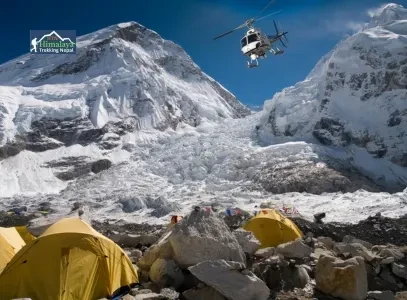
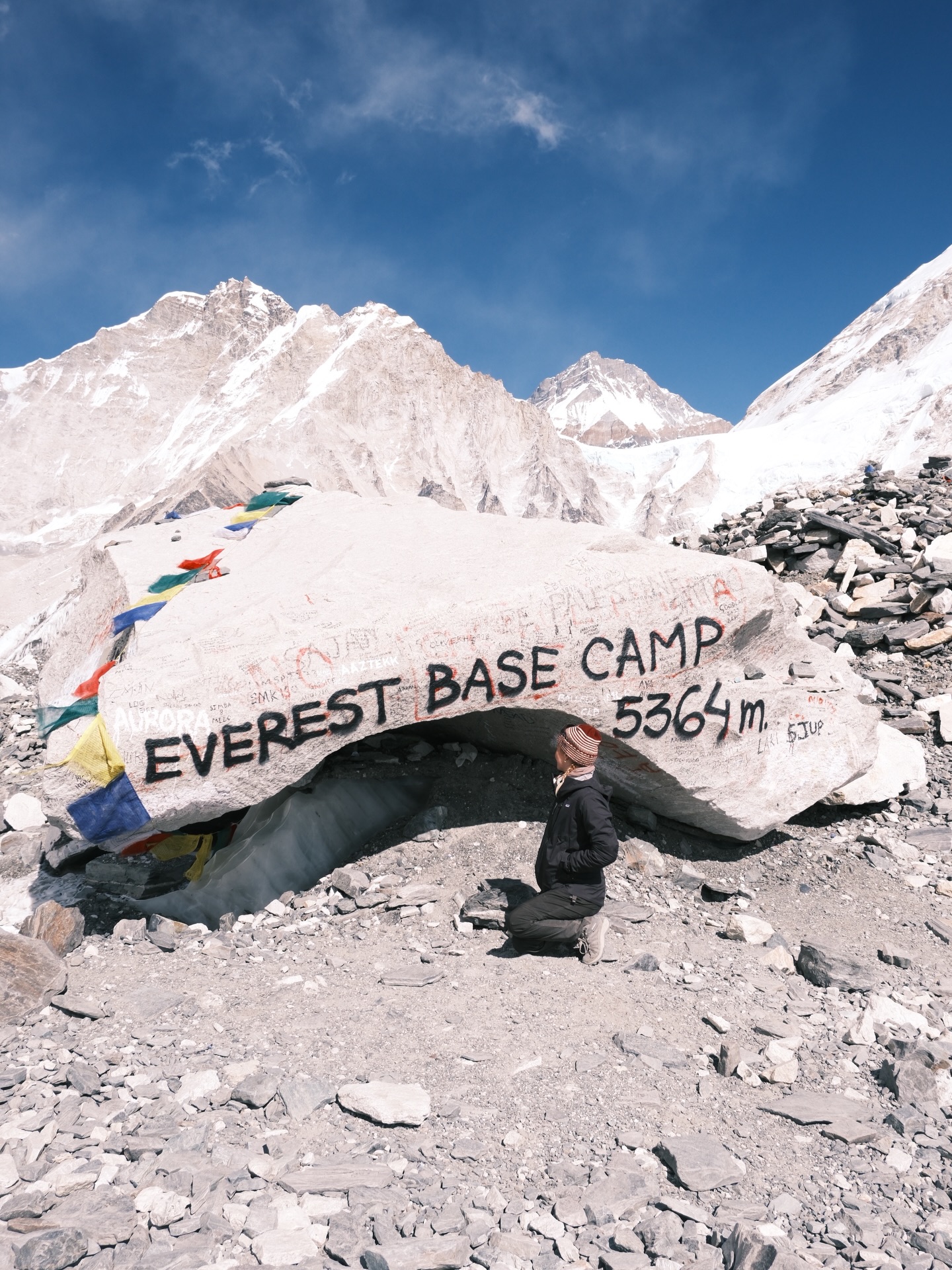
Getting to Everest Base Camp is the highlight of this trek. From here, you can see the Khumbu Icefall and the huge surrounding peaks, really feeling how massive the Himalayas are. The base camp is perfect for taking photos, celebrating your achievement, and learning a bit about mountaineering history.
Gokyo Lakes
The Gokyo Lakes are a group of clear, blue-green glacial lakes high up in the mountains. They are famous for their beautiful color and calm surroundings. The lakes are part of the Gokyo Valley and sit at high altitude, with the biggest one, Dudh Pokhari, being especially stunning. Trekking here gives you amazing views of mountains like Everest, Cho Oyu, and Makalu, and it’s a quieter place to rest and enjoy nature compared to the busy Everest Base Camp trails.
Gokyo Ri
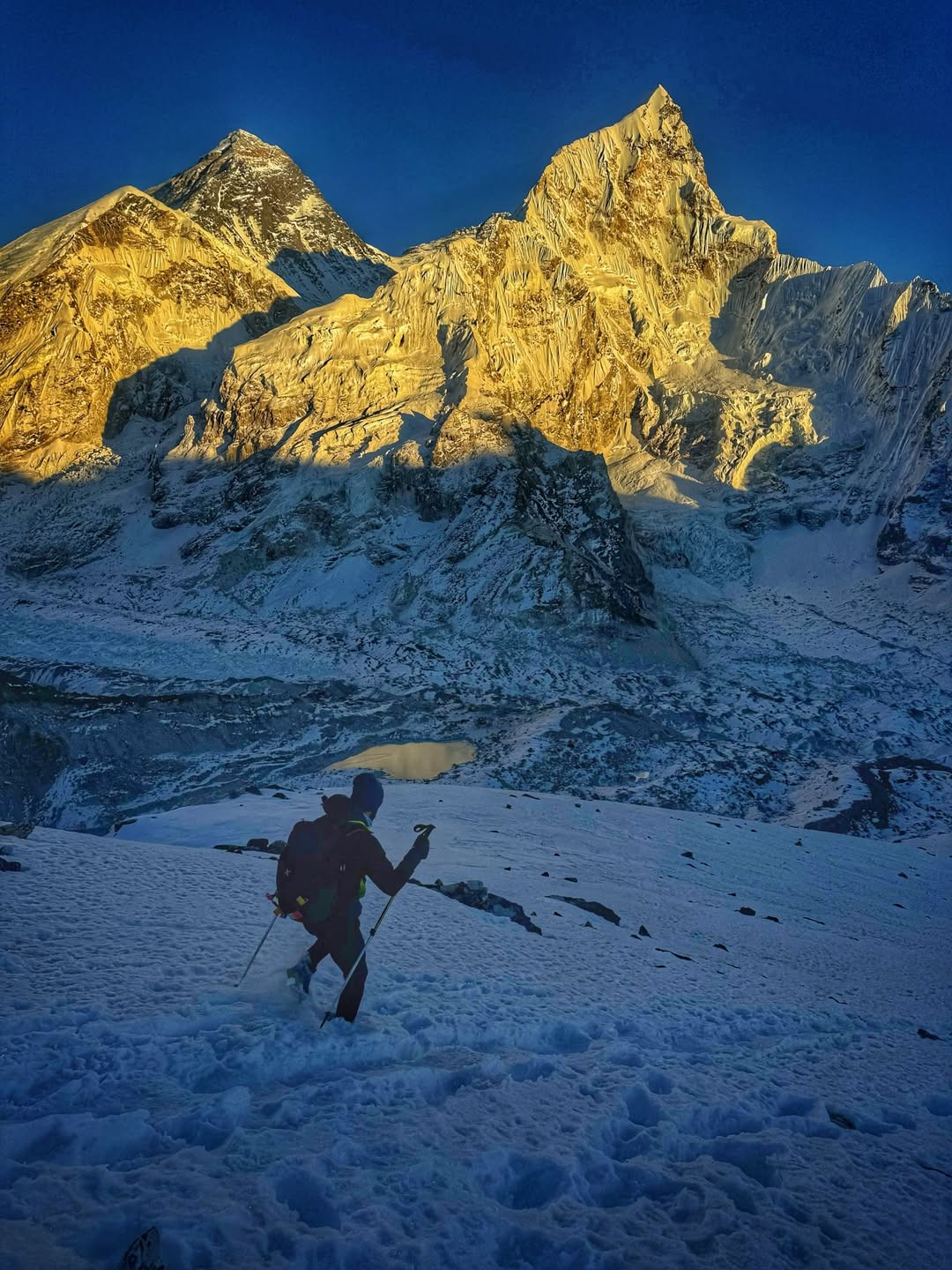
Climbing Gokyo Ri is one of the best parts of the trek because it gives an awesome 360° view of the mountains, including Everest, Lhotse, Makalu, and Cho Oyu. Hiking here during sunrise or sunset makes the scenery even more stunning, with the sunlight lighting up the snow-capped peaks. It’s a great spot for photos and to really feel on top of the world.
Kala Patthar
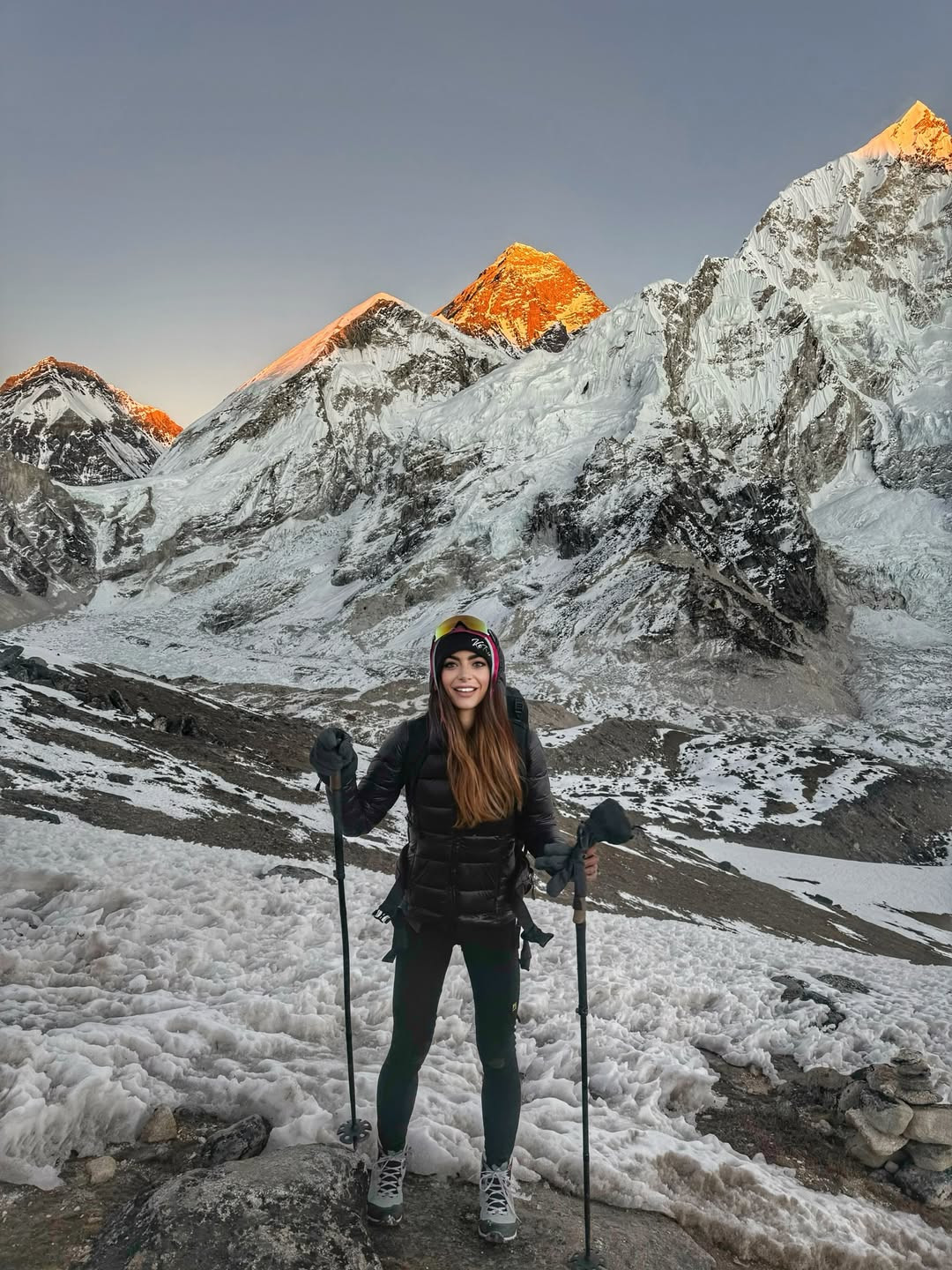
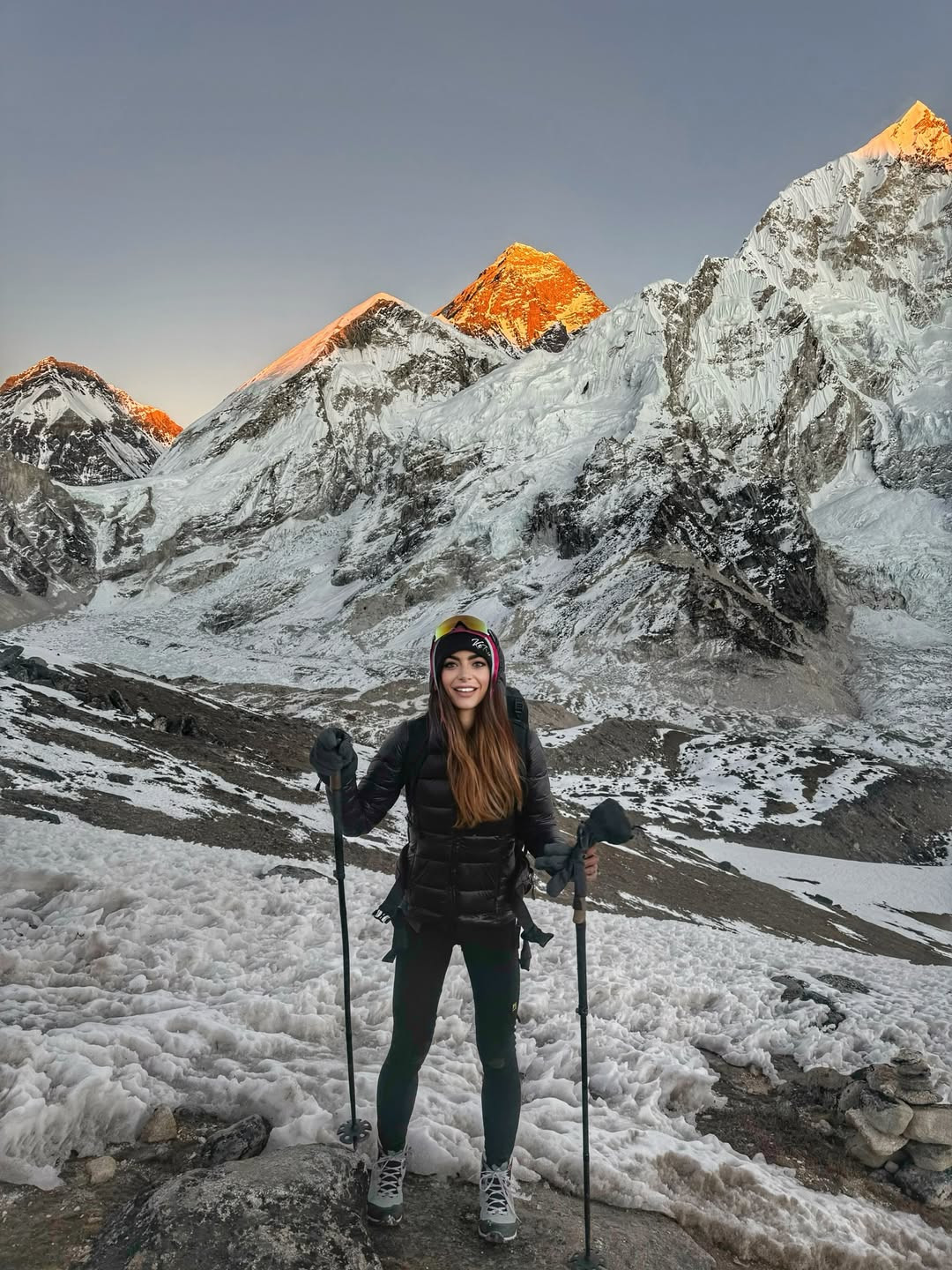
Kala Patthar is famous because it gives trekkers one of the closest views of Everest’s summit. Most people wake up really early to hike here at sunrise, which makes for incredible photos of the world’s tallest mountain and an unforgettable experience.
Cho La Pass
Cho La Pass is one of the toughest parts of this trek, linking Gokyo Lakes with the Everest Base Camp trail. The path goes over rocky ground, snowy areas, and glaciers, so it’s best for trekkers who have some experience.
Tengboche Monastery
Tengboche Monastery is one of the most important spiritual sites in the Khumbu region and is the largest monastery in the area. Trekkers can explore Sherpa culture, watch traditional Buddhist rituals and ceremonies, and enjoy amazing views of Ama Dablam.
Ngozumpa Glacier
Ngozumpa Glacier is the longest glacier in the Himalayas. It lies right next to the trail from Gokyo to Cho La Pass. Its massive ice fields and the tall mountains around it create incredible views and perfect spots for photos.
Sherpa villages
The trek goes through traditional Sherpa villages like Namche Bazaar, Dole, and Machhermo. Here, trekkers can meet local people, learn about Sherpa culture, and enjoy staying in cozy teahouses along the way.
 Important Trip Note
Flights to and from Lukla can get delayed for a couple of reasons. The weather can change really fast with fog, strong winds, or clouds, which can make flying unsafe. Also, during busy trekking seasons, lots of people are flying at the same time, so there can be delays. It’s a good idea to keep your plans flexible and be ready to wait a bit.
Itinerary
-
Day 1 Fly to Lukla (2,860 m), trek to Phakding (2,610 m).
Your adventure starts with an early flight to Lukla, followed by a gentle trek along the Dudh Kosi River to Phakding.

Accommodation
Teahouse in Phakding

Meals
Breakfast, lunch, and dinner included

Duration
8 km

Max Altitude
2860m
-
Day 2 Trek to Namche Bazaar (3,440 m).
Today, you’ll enter Sagarmatha National Park, cross suspension bridges, and hike through beautiful forest trails. When you reach Namche Bazaar, you can explore the lively markets and visit local monasteries.
Accommodation
Teahouse in Namche Bazaar
Meals
Breakfast, lunch, and dinner included
Duration
9 km
Max Altitude
3440m
-
Day 3 Acclimatization in Namche (3,440 m).
Take it easy today with short hikes to help your body adjust to the altitude, and explore Namche Bazaar’s highlights.
Accommodation
Teahouse in Namche Bazaar
Meals
Breakfast, lunch, and dinner included
Duration
Short hikes around Namche
Max Altitude
3440m
-
Day 4 Trek to Dole (4,030 m).
Today, you’ll hike gradually through forests and alpine terrain, making your way up to Dole.
Accommodation
Teahouse in Dole
Meals
Breakfast, lunch, and dinner included
Duration
11km
Max Altitude
4030m
-
Day 5 Trek to Machhermo (4,470 m).
Hike through yak grazing areas and rocky landscapes as you make your way to Machhermo.
Accommodation
Teahouse in Machhermo
Meals
Breakfast, lunch, and dinner included
Duration
8km
Max Altitude
4470m
-
Day 6 Trek to Gokyo (4,790 m).
Today, you’ll hike up to the first Gokyo Lake. Once you get there, you can walk around, enjoy the amazing views, and take cool photos of the mountains.
Accommodation
Teahouse in Gokyo
Meals
Breakfast, lunch, and dinner included
Duration
10km
Max Altitude
4790m
-
Day 7 Climb Gokyo Ri (5,357 m), explore lakes.
Get ready for a tough but awesome hike up Gokyo Ri for amazing 360° views of Everest and the surrounding mountains. After that, you can check out the glacial lakes around the village.
Accommodation
Teahouse in Gokyo
Meals
Breakfast, lunch, and dinner included
Duration
Short hikes around Gokyo Ri and lakes
Max Altitude
5357m
-
Day 8 Trek to Thangnak (4,700 m).
Today, you’ll hike along the huge Ngozumpa Glacier, getting ready for the tough Cho La Pass ahead.
Accommodation
Teahouse in Thangnak
Meals
Breakfast, lunch, and dinner included
Duration
8km
Max Altitude
4700m
-
Day 9 Cross Cho La Pass (5,420 m) to Dzongla (4,830 m).
Today is one of the toughest days as you cross the Cho La Pass, climbing over rocky and icy trails with amazing glacier and mountain views.
Accommodation
Teahouse in Dzongla
Meals
Breakfast, lunch, and dinner included
Duration
11km
Max Altitude
5420m
-
Day 10 Visit Everest Base Camp (5,364 m), stay at Gorak Shep (5,164 m).
Today, you’ll take a short trek from Gorak Shep to Everest Base Camp, explore the Khumbu Icefall, and return to Gorak Shep for the night.
Accommodation
Teahouse in Gorak Shep
Meals
Breakfast, lunch, and dinner included
Duration
Short trek from Gorak Shep to EBC
Max Altitude
5364m
-
Day 11 Kala Patthar (5,545 m) sunrise, trek to Pheriche (4,371 m).
You can wake up early for a hike to Kala Patthar and enjoy stunning sunrise views over Everest, then descend to Pheriche to rest in the evening.
Accommodation
Teahouse in Pheriche
Meals
Breakfast, lunch, and dinner included
Duration
Trek from Gorak Shep to Kala Patthar and down to Pheriche
Max Altitude
5545m
-
Day 12 Trek to Namche (3,440 m).
Today, you’ll hike back through Tengboche and other Sherpa villages, retracing your steps toward Namche Bazaar.
Accommodation
Teahouse in Namche Bazaar
Meals
Breakfast, lunch, and dinner included
Duration
15km
Max Altitude
3440m
-
Day 13 Trek to Lukla (2,860 m).
On the final day of trekking, you’ll descend through forests and villages, enjoying the scenery as you make your way back to Lukla.
Accommodation
Teahouse in Lukla
Meals
Breakfast, lunch, and dinner included
Duration
20km
Max Altitude
2860m
-
Day 14 Fly back to Kathmandu (1,400 m).
Today, you’ll take a return flight from Lukla back to Kathmandu, wrapping up your trek. Keep in mind that flights can be delayed due to weather or busy seasons.
Accommodation
Hotel in Kathmandu
Meals
Breakfast included
Max Altitude
1400m
Cost Breakdown
The cost for the Everest Base Camp with Gokyo Lake trek generally covers all essential services for a safe and comfortable journey. It includes trekking permits, experienced guide and porter services, lodging in local teahouses, and daily meals throughout the trek. Transportation, whether by flight to Lukla or overland transfers, is also included. Additional expenses such as personal insurance, beverages, Wi-Fi, hot showers, and tips are usually excluded. Overall, the cost reflects the remote logistics, duration, and high-altitude support needed for this adventure in the Everest region.
Dates & Price
- January
- February
- March
- April
- May
- June
- July
- August
- September
- October
- November
- December
Meals & Accommodation
Meals
Throughout the Everest Base Camp with Gokyo Lake trek, meals are provided at local teahouses. You can enjoy a mix of Nepali, Tibetan, and continental dishes such as dal bhat, noodles, soups, eggs, pancakes, and tea. Breakfast, lunch, and dinner are available daily. As you trek higher, meal options become simpler but remain warm, fresh, and nutritious to maintain your energy at altitude.
Accommodation
Accommodation during the trek is in local teahouses run by Sherpa families. Rooms are basic but clean, typically with twin beds, blankets, and shared bathrooms. In lower regions, facilities are more comfortable, while at higher elevations, they are simpler due to remoteness. Despite minimal amenities, teahouses offer a cozy, authentic Himalayan experience.
Best Time for EBC Gokyo Lake Trek
Picking the right season for the Everest Base Camp with Gokyo Lake trek can really change your experience. Every season has its own vibe, weather, and challenges, so it’s good to know what to expect before you go.
Spring (March-May)
Spring is one of the best times to trek. The weather is nice and mild, the skies are mostly clear. The rhododendron forests along the trail are full of colorful flowers. It’s great for taking photos and enjoying nature.
-
Daytime temperatures are around 10-20°C.
-
Rhododendrons in full bloom.
-
Moderate crowds, especially in April and May.
-
Perfect for photography.
Autumn (September-November)
Autumn is the most popular time for trekking. The weather is steady, the skies are clear, and you get amazing mountain views. Local festivals at this time also add cool cultural experiences.
-
Clear mountain views with low chances of rain.
-
Comfortable temperatures for trekking.
-
Ideal for photographing snow-capped peaks and lakes.
Winter (December-February)
Winter is for people who like peaceful trails and don’t mind the cold. The season has sparse number of trekkers, and the snow-covered landscapes look magical. You’ll need extra warm clothes and careful planning.
-
Great for solitude and quiet trails.
-
Snow-covered landscapes make magical scenery.
-
Extra warm gear and careful planning are needed.
Monsoon (June-August)
Monsoon is usually not a good time for trekking. You will be facing heavy rain, slippery trails, and poor visibility making it risky and tough.
-
Poor visibility due to clouds and fog.
-
Higher risk of landslides on trails.
-
River crossings become harder, and trails are very wet.
Everest Base Camp with Gokyo Lake Trek Cost
The Everest Base Camp with Gokyo Lake trek costs between USD 1,700 and 2,200, depending on your group size and services you want outside the packages we offer. Extra expenses might come from adding a night in Kathmandu, taking side trips, renting gear, or hiring a private porter or guide. It’s also a good idea to set aside about USD 5 to 10 per day for tipping your guides and porters.
Accommodation
Teahouses along the Everest Base Camp with Gokyo Lake trek provide basic yet comfortable lodging for trekkers. They offer a cozy place to rest after long hiking days, but facilities can be simple and may vary depending on the location.
-
Twin-sharing teahouse rooms with shared toilets.
-
Heated dining areas for warmth and comfort.
-
Limited room availability during peak trekking seasons.
Food
Meals on the Everest Base Camp with Gokyo Lake trek are simple, filling, and designed to keep you energized for long days of hiking. While the options are decent, they become more limited as you go higher.
-
Nepali and Tibetan dishes like dal bhat, noodles, and soups.
-
Fresh vegetables are harder to find at higher altitudes.
-
Most meals are included in the trekking package.
Travel and Insurance
Planning your travel and having proper insurance is very important for the Everest Base Camp with Gokyo Lake trek. While some costs are covered in the package, others need to be arranged separately.
-
Domestic flights between Kathmandu and Lukla are included.
-
International flights are not part of the package.
-
Travel insurance covering trekking above 5,000 m is mandatory.
-
Helicopter evacuation coverage in insurance is highly recommended for emergencies.
Everest Base Camp with Gokyo Lake Trek Permit
To complete the Everest Base Camp with Gokyo Lake trek, you’ll need a couple of permits that allow access to the national park and local areas. These are usually arranged in advance by your trekking agency.
-
Sagarmatha National Park Entry Permit: Required to enter the park.
-
Khumbu Pasang Lhamu Rural Municipality Entry Permit: Mandatory for the local region.
-
Fees: Around USD 20 to 30 per permit.
-
Permits are usually handled in advance by Himalaya Trekking Nepal.
Everest Base Camp with Gokyo Lake Trek Difficulty
Knowing how difficult the Everest Base Camp with Gokyo Lake trek is can help you get ready for it. The high altitude, tough trails, and long walking days make it an adventure that needs proper planning and good fitness.
How difficult is the EBC Gokyo Lake Trek?
The Everest Base Camp with Gokyo Lake trek is considered moderate to challenging because of the high altitude, long walking days, and the tough Cho La Pass crossing. Good fitness and proper acclimatization are important to complete the trek safely.
-
Trails include rocky paths, glaciers, and steep high passes.
-
Daily trekking distances range from 8 to 20 km, depending on altitude.
-
Physical fitness and strong mental endurance are key to managing the challenges.
Is the EBC Gokyo Lake Trek Suitable for You?
The Everest Base Camp with Gokyo Lake trek is challenging, so it’s important to know if it matches your fitness level and experience. Here are a few things to consider:
-
Best suited for trekkers with prior high-altitude experience.
-
People with serious altitude-related health issues should consult a doctor first.
-
Solo trekkers are safer joining guided groups.
-
Beginners can choose shorter treks or add guided acclimatization days.
How to Train for the EBC Gokyo Lake Trek?
Training before the trek helps you build endurance and lowers the risk of altitude sickness. Here’s how to prepare:
-
Begin 2 to 3 months before the trek with cardio exercises and strength training.
-
Practice hiking on uphill terrain while carrying a loaded daypack.
-
Learn about the symptoms of altitude sickness, how to stay hydrated, and ways to prevent it.
EBC Gokyo Lake Trek Packing List
Bringing the right gear is super important for a safe and comfortable trek to EBC with Gokyo Lake. Here’s a handy guide to help you pack.
Clothing
-
Base layer clothes with thermal tops and leggings.
-
Mid-layer clothes (fleece or insulated jackets).
-
Down jackets for cold, high-altitude conditions.
-
Waterproof and windproof jacket and pants.
-
Hats, gloves, and scarves for extra warmth.
Footwear
-
Waterproof trekking boots with good ankle support.
-
Lightweight shoes or sandals for wearing in teahouses.
-
Gaiters to protect against snow and mud.
-
Extra socks, preferably wool or synthetic, for warmth and quick drying.
Gear
-
Trekking poles.
-
Headlamp with spare batteries.
-
Sleeping bag suitable for -15°C or lower for all seasons.
-
Sunglasses, sunscreen, and lip balm.
-
Camera, power bank, adapters, and power sockets.
Health & Hygiene
-
Prescription medicines and altitude sickness medication.
-
Water purification tablets or a portable filter.
-
Wet wipes and hand sanitizer for hygiene.
-
Cash in small bills, since ATMs are only available up to Namche Bazaar.
Why choose Himalaya Trekking Nepal for the EBC Gokyo Lake Trek?
Himalaya Trekking Nepal provides safe and reliable trekking adventures in the Everest region. Our experienced local guides have extensive knowledge of the Himalayas, and the itineraries can be tailored for all fitness levels. Above all, safety is a top priority for us with proper acclimatization and well-equipped support.
Book Your EBC Gokyo Lake Trek Today
Secure your spot on this unforgettable trek with a small deposit and enjoy the flexibility to reschedule or change dates if needed. Our team can help you plan a custom itinerary to match your pace, interests, and comfort level.
Gallery


FAQ's
-
How long does the Everest Base Camp with Gokyo Lake Trek take?
The Everest Base Camp with Gokyo Lake trek usually takes 14 to 15 days. You get rest days to get used to the high altitude, so you don’t get sick, and enough time to enjoy cool spots like Gokyo Ri, Cho La Pass, and Kala Patthar without rushing.
-
How hard is it to cross Cho La Pass?
Cho La Pass is a high mountain glacier pass sitting at 5,420 m. You have to climb steep slopes and walk on icy and rocky paths, so trekking poles, good fitness, and proper acclimatization are important. It’s one of the toughest parts of the trek, but also really rewarding.
-
Do I need prior trekking experience for the EBC Gokyo Lake route?
It’s best to have some experience at high altitudes. Trekkers should be okay walking long distances on rough trails, know basic navigation, and be able to handle cold and thin air. Beginners might want to join guided groups for extra support.
-
What is the highest altitude for the EBC Gokyo Lake?
The highest points on the trek are Gokyo Ri (5,357 m) and Cho La Pass (5,420 m). Kala Patthar (5,545 m) gives amazing close-up views of Everest. Getting used to the altitude with proper acclimatization is really important to stay safe.
-
Are there ATMs or Wi-Fi along the way?
There are only a few ATMs in Namche Bazaar, so make sure to carry enough cash for the rest of the trek. Wi-Fi in teahouses at higher altitudes is hit or miss and can be pretty slow.
-
Can the trek be shortened or extended?
Yes, private itineraries can be customized depending on your fitness, available time, or if you want to add extra side trips like Cho La Pass or Gokyo Lakes.
-
What happens in bad weather conditions?
Flights to and from Lukla can get delayed because of the weather. Guides will suggest alternative routes or extra rest days to keep you safe, so trekkers should plan for a flexible schedule.
-
Is it possible to solo the EBC Gokyo Lake Trek?
You can trek solo, but it’s highly recommended to hire a guide for safety, help with navigation, and support in case of emergencies.
-
What is the success rate for the Everest Base Camp with Gokyo Lake Trek?
Most trekkers finish the EBC with Gokyo Lakes trek successfully if they follow proper acclimatization, keep a steady pace, and have guided support.


.jpeg)

-
 Safety Trips
 - Expert Guides
- Resonable Price
- Experienced