- 28, Dec 2025 | Khilak Budhathoki
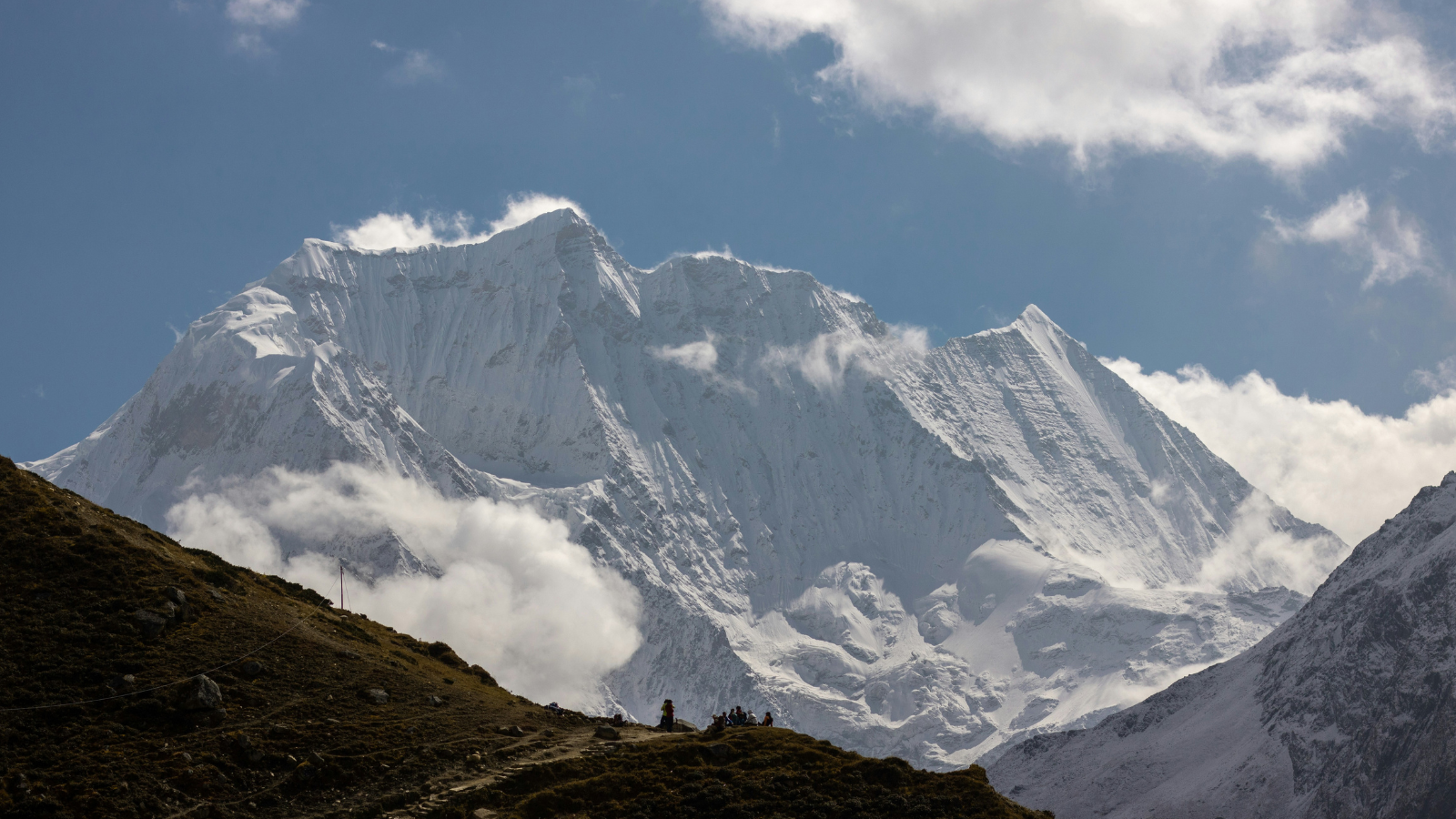
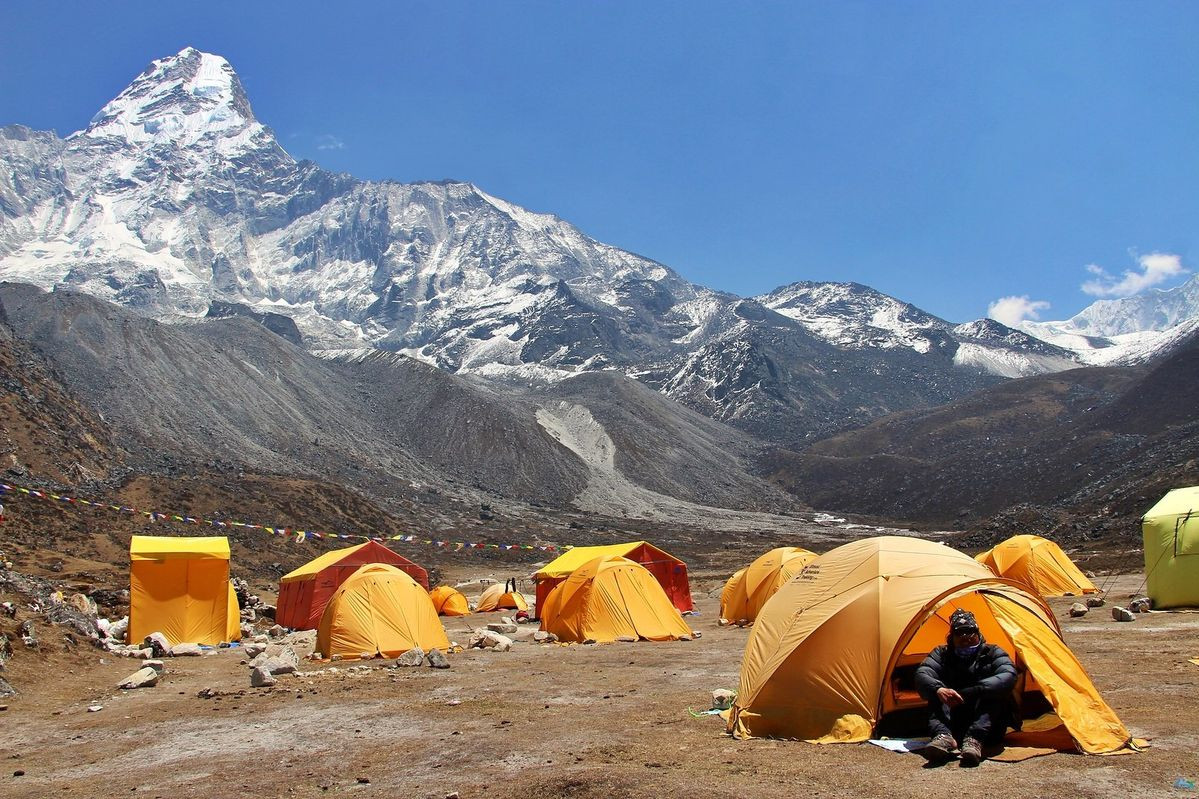
The Annapurna Base Camp Trek is a moderate-to-challenging Himalayan trek that leads to Annapurna Base Camp at 4,130 meters (13,550 feet). The trek is physically demanding because of steep stone staircases, repeated ascents and descents, significant elevation gain, long hiking days, and sustained effort over multiple consecutive days. The route is not a technical mountaineering expedition and normally requires no ropes, climbing skills, or previous high-altitude climbing experience. However, the combination of rugged mountain terrain, uneven steps, changing elevations, and altitude above 3,000 meters makes the trek substantially more demanding than an ordinary hiking route.
.webp)
Annapurna Base Camp Trek difficulty also depends on factors beyond the trail itself, including fitness level, acclimatization, weather, season, pack weight, and the pace of the itinerary. Trekkers must manage cardiovascular endurance, leg strength, downhill fatigue, altitude exposure, and changing trail conditions while completing several hours of hiking each day. Understanding these difficulty factors helps trekkers assess whether the route matches their experience, choose an appropriate itinerary, prepare their body and equipment, and recognize the importance of gradual acclimatization before reaching the 4,130-meter base camp beneath the Annapurna massif.
What Makes the Annapurna Base Camp Trek Difficult?
The 4 core difficulty factors of the Annapurna Base Camp Trek are cumulative elevation gain, thousands of stone steps on steep gradients, altitude exposure above 3,500 meters, and multi-day physical demands on back-to-back trekking days. No single factor in isolation overwhelms most trekkers. The challenge comes from how all four compound across 7–14 consecutive days of hiking.
The trail ascends from Nayapul at 1,070 meters to Annapurna Base Camp at 4,130 meters, a net elevation gain of 3,060 meters. That gain is not linear. The route drops sharply into river gorges and climbs back out repeatedly, meaning your total vertical gain across the full trek exceeds 5,000 meters when cumulative ups and downs are counted.
Stone steps are the defining physical test of this trail. Between Chhomrong (2,170 m) and Bamboo (2,310 m), and again between Deurali (3,230 m) and Machapuchare Base Camp (3,700 m), the path consists almost entirely of hand-laid stone staircases. These steps punish the knees on descent and exhaust the quadriceps on ascent.
Altitude becomes a significant variable above 3,500 meters. Most trekkers sleep at Deurali (3,230 m) before pushing to ABC. The final push from Machapuchare Base Camp to Annapurna Base Camp gains 430 meters at low oxygen levels where physical exertion feels 30–40% harder than at sea level.
How Long Does the Annapurna Base Camp Trek Take?
The Annapurna Base Camp Trek generally takes 6 to 10 days to complete, with 7–9 days being the current standard. Jeep access to higher elevations removes multiple days of lower-valley walking without compromising the necessary acclimatization period above 3,000 meters. The variation depends on your starting and ending point, acclimatization needs, fitness level, and whether you add side trips like Poon Hill.
The standard 11-day itinerary breaks down as follows:
-
Day 1: Drive from Pokhara directly to Hile or Tikhedhunga
-
Day 2: Tikhedhunga to Ghorepani (2,860 m), 5–6 hours
-
Day 3: Ghorepani to Tadapani (2,590 m) via Poon Hill, 5–6 hours
-
Day 4: Tadapani to Chhomrong (2,170 m), 4–5 hours
-
Day 5: Chhomrong to Bamboo (2,310 m), 4 hours
-
Day 6: Bamboo to Deurali (3,230 m), 5–6 hours
-
Day 7: Deurali to Annapurna Base Camp (4,130 m), 4–5 hours
-
Day 8: ABC to Bamboo (2,310 m), 6–7 hours
-
Day 9: Bamboo to Jhinu Danda (1,760 m), 4–5 hours
-
Day 10: Jhinu Danda to Nayapul, 5 hours
-
Day 11: Buffer day or departure
A faster 7-day version exists but is not recommended for sea-level residents. Compressing the itinerary reduces acclimatization time and significantly increases AMS risk above 3,500 meters. For a closer look at how itinerary length is decided, see our dedicated guide on Annapurna Base Camp trek duration.
What most itinerary guides don't tell you: the descent from ABC takes nearly as long as the ascent. Tired legs, loose gravel in upper sections, and wet stone steps make downhill days their own distinct challenge, not a recovery from the hard work, but a continuation of it.
What Is the Typical Annapurna Base Camp Trek Distance?
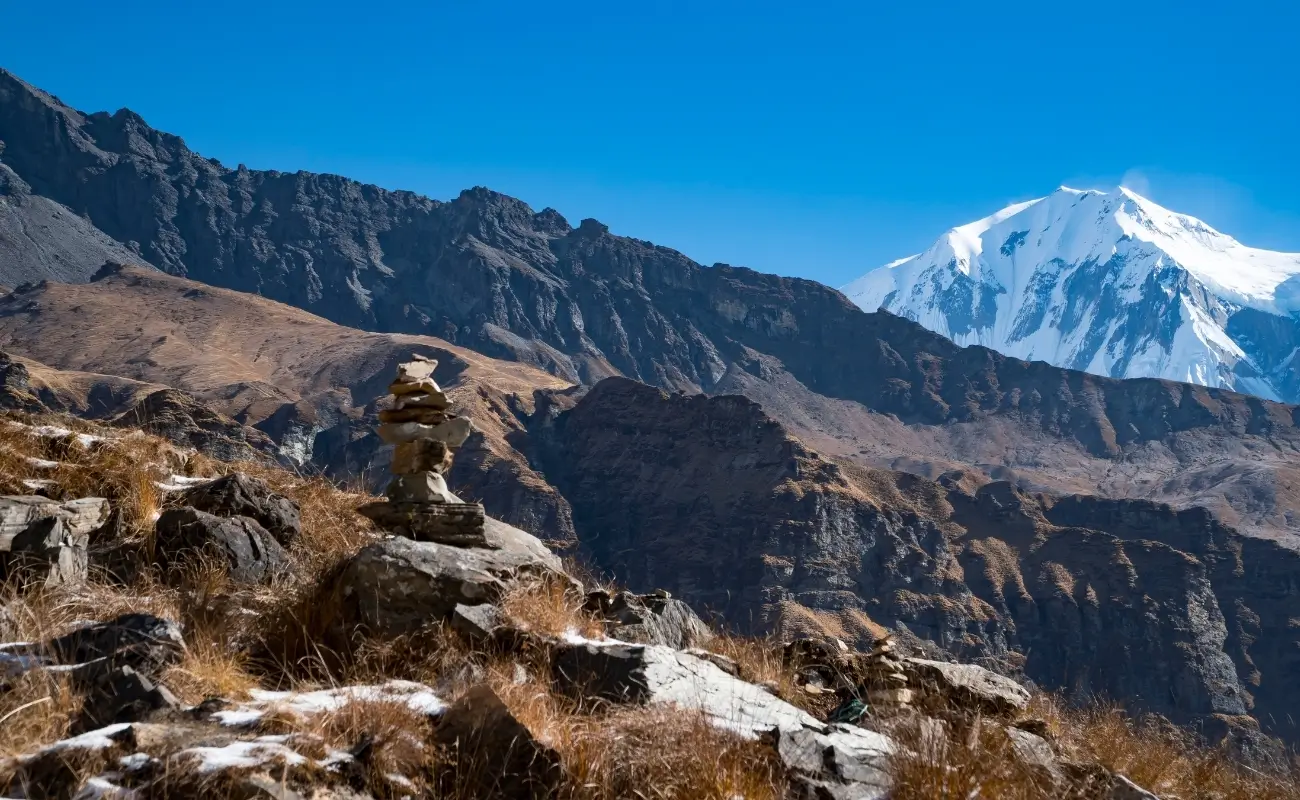
Due to extensive rural road network expansions, the modern Annapurna Base Camp Trek covers approximately 65–85 kilometers round trip. Trekkers now typically bypass the Nayapul walk by taking a jeep directly to advanced trailheads like Matkyu, Jhinu Danda, or Hile, drastically reducing the total walking distance.
The table below shows approximate distances between key waypoints on the standard route:
|
Segment |
Distance (km) |
Elevation Change |
|
Nayapul to Tikhedhunga |
7 km |
+470 m |
|
Tikhedhunga to Ghorepani |
9 km |
+1,320 m |
|
Ghorepani to Chhomrong |
18 km |
-690 m net |
|
Chhomrong to Deurali |
14 km |
+1,060 m |
|
Deurali to ABC |
9 km |
+900 m |
|
Total one-way |
~57 km |
+3,060 m net |
Distance figures alone underrepresent the effort. The terrain multiplier, the energy cost per kilometer on steep stone steps versus flat ground, makes each kilometer of this trail equivalent to roughly 2–3 kilometers of road walking in terms of energy expenditure. Trekkers who plan based on distance without accounting for vertical meters consistently underestimate daily effort by a significant margin.
How Much Elevation Gain Does the Annapurna Base Camp Trek Involve?
The Annapurna Base Camp Trek involves a net elevation gain of 3,060 meters, from Nayapul at 1,070 meters to the base camp at 4,130 meters, with cumulative total ascent exceeding 5,500 meters across the full round trip. For a full checkpoint-by-checkpoint breakdown, see our complete Annapurna Base Camp elevation profile.
Net gain describes the difference between start and end elevation. Total cumulative gain accounts for every ascent within the route, including the multiple descents and re-ascents as the trail drops into river valleys and climbs back out. The difference matters enormously for physical preparation.
Three elevation sections demand specific awareness:
-
Tikhedhunga to Ghorepani: 1,320 meters of ascent in one day, primarily on stone steps. This early section exposes fitness weaknesses before the altitude factor adds pressure.
-
Chhomrong descent and re-ascent: The trail drops 600 meters into the Chhomrong Khola river valley and immediately climbs 600 meters back up. This section creates the highest injury risk due to knee strain on the descent after consecutive hard days.
-
MBC to ABC: 430 meters of final ascent at 3,700–4,130 meters, where reduced oxygen makes the climb feel equivalent to 800+ meters at sea level. Heart rate elevates quickly, and most trekkers move at 50–60% of their normal pace.
How Challenging Is the Annapurna Base Camp Trekking Route?
The Annapurna Base Camp trekking route is classified as moderate-to-challenging and demands 5–8 hours of active hiking per day on technical stone terrain, sustained cardiovascular effort, and tolerance for rapidly changing weather at altitude. It is more demanding than EBC (Everest Base Camp) in terms of daily physical exertion but reaches a lower maximum altitude.
How Steep Are the Ascents and Descents of ABC Trek?
The ascents and descents of the ABC Trek range from gradual river-valley paths to sustained gradients of 25–35 degrees. The steepest continuous sections occur between Tikhedhunga and Ghorepani (stone steps climbing 1,320 m in 9 km) and between Chhomrong and Sinuwa (a sharp 400-meter climb on stepped terrain).
Descent gradients are equally steep and create more injury than ascent. Knee pain is the leading cause of trekkers abandoning the trail. The steep, stair-heavy descent from Chhomrong down to the modern jeep pickup points at Jhinu Danda or Samrung is where most overuse knee injuries occur. While this descent is notoriously punishing on the joints, the overall trekking distance on the return is much shorter than the historical route to Nayapul. Trekking poles reduce knee stress on descent by approximately 25%, according to biomechanics research from the University of Innsbruck's sport science department.
The trail does not offer sustained flat sections for recovery between steep segments. Each descent is immediately followed by an equivalent ascent. This yo-yo elevation profile distinguishes ABC difficulty from a simpler point-to-point mountain ascent.
How Difficult Are the Stone Steps on the Annapurna Base Camp Trek?
The stone steps on the Annapurna Base Camp Trek are its most physically exhausting feature. Over 4,000 individual stone steps have been counted between Chhomrong and Bamboo alone. These are hand-laid irregular rocks, not uniform staircases, with step heights ranging from 10 cm to 45 cm per step.
The irregularity is the problem. Uniform stairs allow muscle memory to carry you forward. Irregular steps require constant micro-adjustments in balance, stride, and weight distribution. Over 8 hours of hiking, this cognitive and muscular demand accumulates into a different type of fatigue than simple cardiovascular exhaustion.
Wet stone steps are significantly more hazardous. Rain, moss, and morning frost create surfaces where grip reduces by 40–60%. Gaiters and hiking boots with aggressive lug soles are functional necessities on this trail, not optional upgrades.
How Does Altitude Affect Annapurna Base Camp Trekking Difficulty?

Altitude increases Annapurna Base Camp Trek difficulty above 3,000 meters by reducing available oxygen, slowing acclimatization, and triggering Acute Mountain Sickness (AMS) in susceptible trekkers. At 4,130 meters, atmospheric pressure drops to approximately 62% of sea-level pressure, delivering roughly 12.9% oxygen concentration per breath versus 20.9% at sea level.
AMS symptoms, including headache, nausea, dizziness, and fatigue, affect an estimated 30–40% of trekkers on the ABC route, particularly those ascending too quickly or arriving from low-altitude locations. Mild AMS resolves with rest and hydration. Severe AMS, high-altitude pulmonary edema (HAPE), and high-altitude cerebral edema (HACE) require immediate descent.
For the full protocol, permits, insurance, and evacuation planning, see our Annapurna Base Camp safety guide. The standard safety protocol is clear: ascend no more than 300–500 meters per night above 3,000 meters, and take a rest day every 3rd night when ascending rapidly.
What Is the Highest Point of the Annapurna Base Camp Trek?
The highest point of the Annapurna Base Camp Trek is Annapurna Base Camp itself, sitting at 4,130 meters (13,549 feet) above sea level. The base camp sits directly beneath the south face of Annapurna I (8,091 m), one of the 14 eight-thousanders on Earth, and the world's 10th highest mountain.
Machapuchare Base Camp (3,700 m) is the intermediate high point, located 430 meters below ABC on the approach route. Trekkers sleep at MBC before the final summit push to ABC the following morning.
At 4,130 meters, the following physiological changes occur:
-
Resting heart rate increases by 10–20 beats per minute above normal
-
Maximum aerobic capacity (VO2 max) decreases by approximately 22%
-
Sleep quality decreases due to periodic breathing (Cheyne-Stokes respiration)
-
Appetite suppression is common, reducing caloric intake when energy demand is highest
These effects are predictable, manageable, and reversible with descent. Recognizing them as normal altitude responses, not signs of serious illness, prevents unnecessary panic on the trail.
How Does Fitness Affect Annapurna Base Camp Trek Difficulty?
Fitness level is the single most controllable variable in Annapurna Base Camp Trek difficulty. A well-conditioned trekker with cardiovascular capacity at or above a VO2 max of 40 mL/kg/min completes the trek with manageable fatigue. A sedentary trekker starting the same trail experiences the same altitude and terrain with 60–80% less physical reserve to draw on.
What Fitness Level Is Needed for Annapurna Base Camp?
Annapurna Base Camp requires a fitness level equivalent to hiking 5–6 hours continuously on hilly terrain, with a loaded pack of 8–12 kg, on 5 or more consecutive days. This is above recreational fitness but below elite athletic conditioning.
The 3 primary fitness components needed are:
-
Cardiovascular endurance: to sustain 5–8 hours of aerobic effort daily
-
Leg muscle strength: to absorb thousands of step-up and step-down repetitions
-
Core stability: to maintain posture and balance on uneven stone terrain with a loaded pack
Flexibility and ankle mobility, while less discussed, prevent injuries on irregular stone steps. Trekkers with chronic ankle instability face significantly higher sprain risk on this trail.
How Should Beginners Prepare for the Annapurna Base Camp Trek?
Beginners prepare for the Annapurna Base Camp Trek by building an 8–12 week conditioning program that progressively increases hiking distance, vertical gain, and pack weight. Starting at sea level, the body adapts cardiovascular and muscular systems incrementally, adaptations that altitude training alone cannot replicate.
The 3 most effective beginner preparation strategies are:
-
Weekend hike progression: Begin with 3–4 hour hikes, extend by 30 minutes each weekend, carry progressive pack weight from 5 kg to 10 kg over 8 weeks
-
Stair training: 30–45 minutes of stair climbing 3–4 times per week directly targets the muscle groups most stressed by ABC stone steps
-
Cross-training: Cycling and swimming build cardiovascular base without the joint impact of daily running, preserving knee health before the trek
What beginners consistently underestimate is downhill conditioning. Most training programs focus on climbing. The ABC descent demands equal preparation, specifically, eccentric quadriceps strength, which absorbs impact during step-down movements.
How Much Training Is Needed Before Annapurna Base Camp?
A minimum of 8 weeks of structured training is needed before the Annapurna Base Camp Trek for someone with basic recreational fitness. Sedentary individuals benefit from 12–16 weeks of preparation. Athletes who train regularly with cardio 4+ times per week require 4–6 weeks of trek-specific conditioning.
A practical 8-week training breakdown:
|
Week |
Focus |
Target Duration |
|
1–2 |
Base cardio (cycling, walking) |
45–60 min/day, 5 days |
|
3–4 |
Add stair training and hill walks |
60–75 min/day |
|
5–6 |
Weighted hikes (6–8 kg pack) on hilly terrain |
4–5 hrs, 2 days/week |
|
7–8 |
Consecutive day hikes (simulate multi-day trekking) |
5–6 hrs with 10 kg pack |
Rest and recovery days are as important as training days. Overtraining before the trek is a real risk, arriving fatigued from excessive pre-trek exercise leaves fewer physical reserves for the trail.
Can First-Time Trekkers Complete Annapurna Base Camp?
First-time trekkers complete the Annapurna Base Camp Trek successfully when they allow adequate preparation time, follow a conservative itinerary of 11–12 days, and hire an experienced guide. The trek requires no technical mountaineering skills. What it demands is physical conditioning and mental resilience over multi-day sustained effort.
The honest answer: approximately 85–90% of trekkers who attempt ABC with proper preparation and adequate time complete the trek successfully. The 10–15% who turn back typically do so due to AMS symptoms (most common), knee injuries, or severe weather, not general fitness failure.
First-time trekkers gain a critical advantage by choosing a slower itinerary. An 11-day itinerary gives the body 2 additional days to acclimatize compared to a 7-day rush, and those 2 days are the difference between reaching base camp and being evacuated from Deurali with altitude sickness.
How Do Weather and Trail Conditions Affect Annapurna Base Camp Trek Difficulty?
Weather is the most unpredictable difficulty multiplier on the Annapurna Base Camp Trek. The Annapurna massif generates its own micro-climate, afternoon clouds, sudden temperature drops, and rapid precipitation are standard even in the best trekking seasons. Trail difficulty increases substantially when weather transitions from clear to wet or cold.
How Difficult Is Annapurna Base Camp During Winter?
Annapurna Base Camp during winter (December–February) is significantly more difficult due to heavy snowfall above 3,000 meters, sub-zero overnight temperatures of -10°C to -20°C at ABC, and risk of trail closure between Deurali and ABC. The snow accumulation above Bamboo makes trail navigation dangerous without proper equipment.
Winter trekking on ABC requires:
-
4-season sleeping bag rated to -20°C
-
Crampons or microspikes for icy stone steps above 3,000 m
-
Insulated trekking boots rated for sub-zero temperatures
-
Avalanche awareness, the Hinku Cave to Deurali section has documented avalanche zones
The number of trekkers on the trail drops by 70% in winter compared to autumn peak season. This means teahouses reduce operations, some close entirely, and emergency support is significantly slower. The increased difficulty is real and the reward, unobstructed views of Annapurna in crisp winter clarity, is equally real for experienced winter trekkers.
How Does Monsoon Weather Affect the Annapurna Base Camp Trek?
Monsoon weather (June–September) increases ABC trek difficulty through heavy daily rainfall, high leech density on lower trail sections below 2,500 meters, and reduced visibility that removes the primary visual reward of the trek. The Annapurna region receives 3,500–4,000 mm of rainfall annually, most of it concentrated between June and August.
Trail surfaces below Chhomrong become slippery mud channels. Stone steps become wet and moss-covered. Streams crossing the trail swell to ford-level difficulty. Above 3,000 meters, rain transitions to snow, making the high camp sections genuinely hazardous.
Leeches are a practical and psychologically impactful monsoon issue. The 1,000–2,500 meter elevation band between Nayapul and Sinuwa hosts heavy leech populations during monsoon months. They are harmless but attach to boots, socks, and exposed skin. Leech socks (tight gaiters) reduce attachment significantly.
How Do Snow and Rain Change Trail Conditions?
Snow above 3,000 meters and rain below 2,500 meters transform ABC trail conditions in 3 critical ways: they reduce traction on stone steps by 40–60%, obscure trail markers, and increase the risk of rockfall and landslide on exposed sections between Bamboo and Deurali.
Rain turns the red-clay sections of the lower trail into ankle-deep mud. Snow covers the rock cairns and painted trail markers above Deurali. Both conditions demand slower pacing, greater attention, and willingness to turn back if conditions worsen beyond safe movement.
The gorge section between Bamboo (2,310 m) and Deurali (3,230 m) is particularly vulnerable to rockfall after heavy rain. This canyon funnels water and debris from the Annapurna glacier. Trekking through this section in active heavy rain is the one situation where experienced guides recommend waiting at Himalaya Hotel or Deurali rather than pushing forward.
When Is Annapurna Base Camp Easiest to Trek?
Annapurna Base Camp is easiest to trek during the spring window of March–May and the autumn window of October–November. These 5 months offer the most stable weather, clearest skies, and most comfortable temperatures, from 5°C to 18°C in daytime at mid-altitude sections.
Autumn (October–November) is the most popular season, with October offering the most consistently clear skies and stable temperatures across the route. Spring (March–May) brings rhododendron blooms below 3,000 meters, the trail through Ghorepani and Tadapani in March is among the most visually spectacular trekking experiences in Nepal.
The optimal trekking month, balancing weather stability, crowd levels, and visual reward, is late October to early November for most trekkers. For a full month-by-month breakdown of temperature, visibility, and trail conditions, see our guide to the best time to trek ABC. The post-monsoon air clarity produces the most dramatic views of Annapurna South (7,219 m), Hiunchuli (6,441 m), and Machhapuchhre (6,993 m) from base camp.
How Can You Prepare for Annapurna Base Camp Trek Difficulty?
.webp)
Preparing for Annapurna Base Camp difficulty requires a structured 4-component approach: physical training, gear selection, pace and fatigue management during the trek, and a disciplined acclimatization protocol. Each component addresses one of the 4 core difficulty factors identified above.
What Training Exercises Help Prepare for the Annapurna Base Camp Trek?
The 5 most effective training exercises for the Annapurna Base Camp Trek are stair climbing with a weighted pack, trail running on hilly terrain, cycling (uphill), step-ups on a box, and single-leg squats for knee stability.
Breaking these down by purpose:
-
Stair climbing with 8–10 kg pack: Directly replicates the ABC stone-step experience. 45 minutes daily, 4 days per week.
-
Trail running on hilly terrain: Builds cardiovascular fitness and ankle stability simultaneously. 30–45 minutes, 3 days per week.
-
Uphill cycling: Builds quadriceps and cardiovascular base with zero joint impact, preserves knees for the trek.
-
Step-ups on a 40 cm box with weight: Isolates the exact movement pattern of stepping up stone steps. 3 sets of 20 per leg, 3 days per week.
-
Single-leg squats (pistol squats): Builds the eccentric leg strength needed for descending thousands of steps without knee pain. 3 sets of 10 per leg, 2 days per week.
Yoga and stretching 3 times per week improve hip flexibility and reduce lower back tightness, a common complaint after 7+ days of hiking with a loaded pack.
What Should You Pack for a Comfortable Trek?
A comfortable ABC trek pack weighs 8–12 kg and contains 4 essential categories of gear: layering clothing system, foot protection, safety items, and energy management tools.
The layering system matters more than any single piece of gear. The temperature range from Nayapul (warm, humid) to ABC (freezing, windy) spans 35°C of difference. A 3-layer system, moisture-wicking base layer, insulating mid-layer (down or fleece), waterproof outer shell, handles this range efficiently.
Critical gear items with specific recommendations:
|
Category |
Item |
Specification |
|
Footwear |
Mid-cut hiking boots |
Waterproof, aggressive lug sole, worn in before trek |
|
Poles |
2 trekking poles |
Adjustable, anti-shock, essential for knee protection |
|
Sleep |
Sleeping bag |
Rated -10°C minimum for ABC nights |
|
Protection |
Down jacket |
700+ fill power for above 3,500 m |
|
Medical |
Personal first aid kit |
Include Diamox (acetazolamide) with medical consultation |
|
Hydration |
2L water capacity |
Reusable bottles + purification tablets |
What most packing lists omit: moleskin and blister pads, wool socks in 3 pairs (daily rotation prevents blisters), and a lightweight down sleeping liner that converts a 0°C bag to a -15°C bag at minimal weight cost. Our full Annapurna Base Camp packing list covers every category in detail, season by season.
How Can You Manage Fatigue During the Trek?
Managing fatigue on the Annapurna Base Camp Trek requires 4 practical strategies: maintaining a pace where full sentences can be spoken comfortably, eating a high-carbohydrate breakfast before each hiking day, stopping every 90 minutes for 10 minutes of seated rest, and prioritizing 8–9 hours of overnight sleep.
Pace management is the most underrated skill on long treks. The Nepali trekking pace, described by guides as "bistari bistari" (slowly, slowly), keeps heart rate in the aerobic Zone 2 range (60–70% of maximum heart rate). Trekkers who push into Zone 4 or 5 during the first 2 hours of a hiking day exhaust glycogen stores early and hit the wall by early afternoon.
Nutrition management on the trail:
-
Consume 300–400 calories at breakfast (oatmeal, eggs, dal bhat)
-
Carry 150–200 calorie trail snacks (energy bars, nuts, dried fruit) for consumption every 60–90 minutes
-
Drink 3–4 liters of water daily, dehydration amplifies fatigue by 15–25% and worsens AMS symptoms
How Can Acclimatization Make the Trek Safer?
Acclimatization reduces AMS incidence and increases summit success rates on the Annapurna Base Camp Trek by allowing the body to produce 20–30% more red blood cells over 3–5 days at altitude. Acclimatization is a physiological process, not a resting choice, it requires structured exposure to altitude with adequate recovery time.
The 3 acclimatization principles that directly apply to the ABC route:
-
Sleep low, walk high: On any day above 3,000 m, ascending higher during the day and returning to a lower sleeping elevation (300–500 m lower) accelerates acclimatization without adding itinerary days.
-
Recognize AMS early: Headache is the first symptom. Rest and hydration resolve mild AMS. Any trekker experiencing loss of coordination, confusion, or breathlessness at rest descends immediately.
-
Diamox (acetazolamide) protocol: 125 mg twice daily, started 24 hours before ascending above 3,000 m, reduces AMS incidence by approximately 50%. Always consult a physician before use.
The Deurali overnight stay (3,230 m) before the ABC push is the single most important acclimatization decision built into the itinerary. Skipping it to save one day is the most common mistake that ends treks prematurely at altitude.
How Can You Approach Annapurna Base Camp Trek Difficulty With Himalaya Trekking Nepal?
Himalaya Trekking Nepal provides structured logistical and guiding support that reduces the 4 core difficulty factors of the ABC trek through experienced route management, custom itinerary design, and on-trail safety protocols. Explore our guided Annapurna Base Camp trek itinerary to see how acclimatization days, porter support, and licensed guides are built into the schedule. Trekking with a local, licensed guiding company removes navigation uncertainty, language barriers, and gear logistics, allowing trekkers to focus entirely on physical performance and experience.
Can Himalaya Trekking Nepal Help Make Annapurna Base Camp More Manageable?
Himalaya Trekking Nepal makes the Annapurna Base Camp Trek more manageable through 4 key services: custom itinerary design that builds adequate acclimatization time, experienced guides with wilderness first-aid certification, porter support that reduces pack weight to 5–7 kg, and teahouse booking in peak season when accommodations fill quickly.
An experienced local guide provides direct value in 3 specific ways most trekkers underestimate:
-
Pace regulation: Guides monitor your breathing and pace, slowing you when you push too hard in early sections. This reserves energy for the demanding high-altitude days.
-
AMS recognition: A certified guide identifies early AMS symptoms, before the trekker recognizes them, and makes the descent call when conditions require it. This judgment has prevented serious altitude illness cases on hundreds of ABC treks.
-
Trail navigation in poor weather: The section from Deurali to ABC in cloud or snow requires route knowledge. Trail markers are sparse and visibility can drop to 30–50 meters. Local guides navigate this section by landmark knowledge built across dozens of guided treks.
Porter support reduces pack weight from a standard 10–12 kg loaded pack to 5–7 kg of personal day items. This single change reduces knee strain by an estimated 20% over the full trekking distance and extends the daily hiking range before fatigue sets in.
What Are the Key Takeaways About Annapurna Base Camp Trek Difficulty?
The Annapurna Base Camp Trek is a moderate-to-challenging Himalayan trek accessible to any healthy adult who prepares adequately across 8–12 weeks, follows a conservative 11-day itinerary, and respects the acclimatization process above 3,000 meters.
The 6 most important facts to carry with you:
-
The highest point is 4,130 meters: below the altitude threshold of most serious altitude illness, but well above the threshold where AMS becomes a real factor.
-
Distance is 65–85 km round trip depending on your jeep drop-off point: plan for 5–8 hours of active hiking on most days.
-
Stone steps are the primary physical challenge: stair training before departure is the single highest-return preparation investment.
-
Best seasons are October–November and March–May: these windows deliver the most stable weather and trail conditions.
-
Fitness determines comfort, not success: adequately trained trekkers of all ages complete this trek. The 85–90% completion rate reflects how achievable it is with proper preparation.
-
A licensed guide and porter significantly reduce difficulty: not by changing the terrain, but by managing pace, safety, and logistics so your energy goes into the trek, not the planning.
The Annapurna Base Camp Trek rewards preparation directly. Every week of training before departure translates into a noticeable improvement in daily comfort, trail confidence, and the ability to absorb the extraordinary landscape around you, Annapurna South, Machhapuchhre, Hiunchuli, rather than simply surviving the approach to them.
Trekkers who understand the difficulty before they begin arrive at base camp prepared, not surprised. That preparation is the difference between a grueling ordeal and one of the most memorable physical achievements of a lifetime.
More About Author

Khilak Budhathoki
Travel Director
Khilak Budhathoki is the co-founder and lead trekking guide at Himalaya Trekking Nepal, a locally owned and operated adventure company based in Kathmandu. Born and raised in the foothills of Nepal, Khilak developed a deep love for the mountains from an early age. With over a deca...
USD$1,400 pp
Our Recommendation
Related Blogs