- 04, Sep 2025 | Khilak Budhathoki
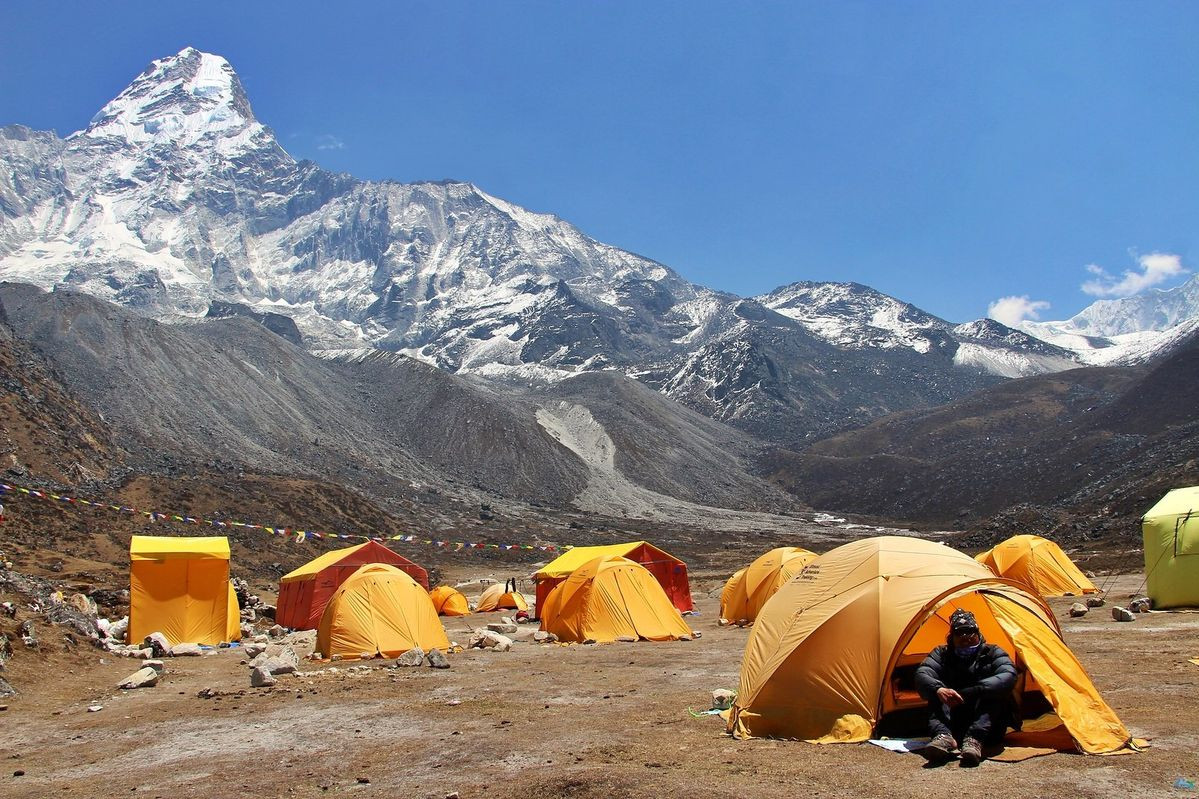
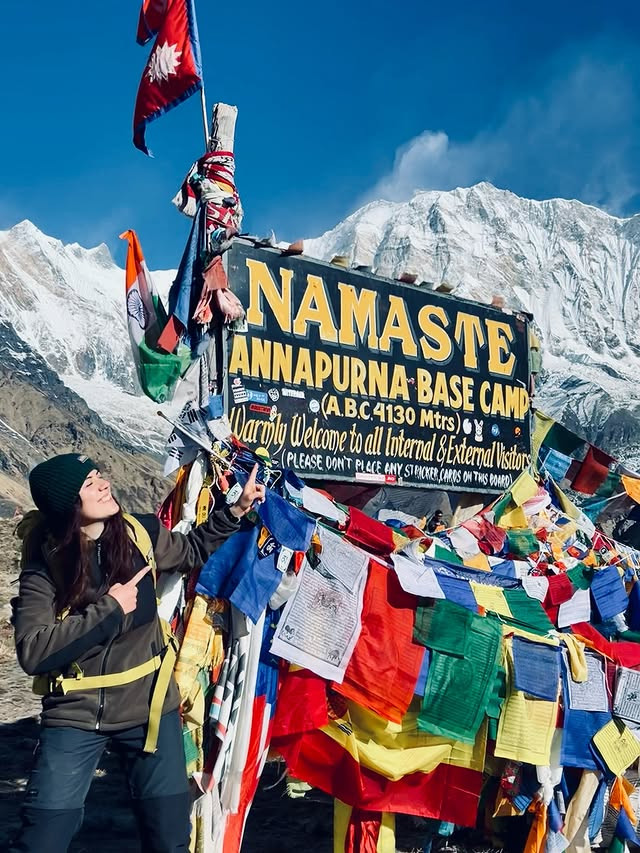
Ever dreamed of solo trekking to Annapurna Base Camp? This trek becomes a personal epic. It's Nepal’s second most popular trek after Everest Base Camp and recent rules require you to trek with a local guide.
That rule doesn’t take away your independence. Instead, it adds a reassuring safety boost. You’ll still enjoy profound self‑discovery, stunning mountain views, and shared moments on the trail guided by someone who knows the Himalayas.
We’re here to help you prep for an unforgettable journey.
Why do Many Solo Travellers Choose the Annapurna Base Camp Trek?
For solo trekkers, every step on the trail is pure freedom. It's an incredible chance to test your limits and deeply connect with your thoughts. Many of us who trek alone find it's like hitting a profound reset button. It means a rare opportunity to shed the daily noise and finally hear ourselves think, with the magnificent mountains as our quiet confidantes.
Plus, you'll find countless chances to connect meaningfully with locals and fellow trekkers along the way and witness Annapurna I and Machapuchare as you march forward. It's the ideal balance of loneliness and companionship, and even though you may begin alone, you're likely to leave with fresh stories, laughs, and possibly even a few lifelong connections.
Is It Safe to Do the Annapurna Base Camp Trek Alone?
Yes, trekking Annapurna Base Camp remains one of the safest trekking corridors in Nepal. But we always recommend you travel alone but with a guide. Yet, the paths are well‑maintained, locals are helpful, and mobile networks often work along the route. Still, hazards like changing trail conditions, sudden altitude sickness, or harsh weather can arise. Fortunately, trekking with a local guide doesn’t diminish your solo spirit; it actually enhances safety while letting you focus on the views and experience.
Ready for a solo trip to Annapurna Base Camp? Book with Himalaya Trekking Nepal
When Is the Best Time to Trek to Annapurna Base Camp Solo?
The best times for a solo Annapurna Base Camp trek are during spring and autumn. We have made a list of what solo trekkers usually prefer:
|
Season |
Months |
Conditions |
Solo Friendly? |
|
Spring |
March-May |
Clear skies, rhododendrons bloom |
Excellent |
|
Summer/ Monsoon |
June-Aug |
Wet, leech-prone trails |
Not Ideal |
|
Autumn |
Sept-Nov |
Peak clarity, best weather |
Highly Recommended |
|
Winter |
Dec-Feb |
Cold, snow at high altitudes |
Not recommended solo |
For most solo trekkers, spring (March-May) and autumn (September-November) offer the best time for the Annapurna region: fantastic weather, jaw-dropping views, and enough fellow trekkers to feel connected without being overwhelmed.
But if you’re an experienced trekker yearning for deep solitude, a late autumn or early winter trek (with proper gear and preparation!) can offer a magical, hushed experience that few get to witness.
What Do You Need to Prepare for Your Solo Annapurna Adventure?
Packing well makes your trek smoother and more enjoyable. Focus on essentials for safety, comfort, and lightweight travel:
-
50 L backpack
-
Down jacket & sleeping bag
-
Durable hiking boots + trekking poles
-
Headlamp and power bank
-
First-aid kit + altitude meds
-
Water purifier/tablets
-
Local SIM card with data
-
Snacks (dark chocolate works wonders!)
-
Cash in Nepali rupees (ATMs don’t work at higher altitudes)
For more details, check our packing list for the Annapurna Base Camp trek.
How Much Does It Cost to Trek Annapurna Base Camp Solo?
Money talks, even in the serene Himalayas. Understanding the Annapurna trekking cost for solo travelers is a huge step in planning your dream adventure. The great news? Solo trekking often gives you more control over your budget than an all-inclusive group tour. Take cash instead of an online or ATM card. There is no ATM service, and the cost increases as you go up.
|
Item |
Estimated Cost (USD) |
|
Permits (ACAP + TIMS) |
$40-50 |
|
Accommodation (per night) |
$5-15 |
|
Meals (daily) |
$15-25 |
|
Guide (optional) |
$25-30/day |
|
Porter (optional) |
$20-25/day |
|
Transport to/from the trail |
$20-40 |
|
Gear Rental/Shopping |
$50-100 |
Total Estimated Cost: $700 - $1000 (for 10-12 days)
Note: No, a TIMS (Trekkers' Information Management System) card is not required for the Annapurna Base Camp (ABC) trek as of 2023. You only need the Annapurna Conservation Area Permit (ACAP).
Do You Need a Guide or Porter if You’re Trekking Solo in ABC?
Until 2024, you could trek ABC solo without a guide. As of 2025, the government mandates local guides for safety. You still get independence; it's just that you're not in a group. But now you also get the expertise and backup of someone who knows the trails.
A guide enhances route planning, handles lodging logistics, offers cultural insights, and provides support if things go sideways. That blend of independence and local wisdom creates the best solo trek experience.
What Route Should Solo Trekkers Take to Annapurna Base Camp?
Most solo trekkers follow the well-established route from Nayapul, travelling through Ghorepani (via Poon Hill), then Chhomrong, Dovan, and finally ABC. This path has reliable teahouses, clear signage, and a community of fellow trekkers, perfect for the ABC Trek for solo female travelers or anyone travelling independently.
Detours like the Jhinu Danda hot springs or time spent in Ghandruk village add cultural flavor and relaxation. Sunrise at Poon Hill remains an iconic solo highlight. Expect quiet awe and maybe a shared moment or two with other trekkers.
Plan your days to accommodate acclimatization: rest when needed, stop early if you feel unwell, and always pace yourself above 3,000 m.
Annapurna Base Camp Solo Trek: Day-by-Day Itinerary (12 Days)
This solo-optimized plan isn't about speed; it's about savoring every step, acclimatizing safely, and truly immersing yourself in the magnificent Annapurna region. Remember, this is your adventure, so you can adjust it to your pace.
|
Day |
Route |
|
Day 1 |
Arrive in Pokhara |
|
Day 2 |
Drive to Nayapul → Trek to Tikhedhunga |
|
Day 3 |
Trek to Ghorepani |
|
Day 4 |
Hike to Poon Hill for sunrise → Trek to Tadapani |
|
Day 5 |
Trek to Chhomrong |
|
Day 6 |
Trek to Dovan |
|
Day 7 |
Trek to Deurali |
|
Day 8 |
Trek to Annapurna Base Camp |
|
Day 9 |
Return trek to Bamboo |
|
Day 10 |
Trek to Jhinu Danda (hot springs!) |
|
Day 11 |
Trek to Nayapul → Drive back to Pokhara |
|
Day 12 |
Rest day in Pokhara or travel onward |
This route balances adventure with acclimatization, essential for solo trekkers.
Want a customized itinerary for ABC ? Get in touch with Himalaya Trekking Nepal
More Information on Solo Trek to ABC
1. What Is the Real Tea House Experience for Solo Travelers?
Tea houses, the heart beaters of the Annapurna trail, offer warmth and welcome. As a solo trekker, you’ll usually find:
- Private rooms (lower altitudes) or shared rooms (higher up)
- Hearty meals like dal bhat, soups, noodles (and american cuisine too)
- Tea house owners who love sharing stories
- Star-filled skies without light pollution
- Spaces for reflection and for quiet conversations with fellow trekkers
Keep these Tips in mind while solo trekking in Nepal
You should keep a few things in mind:
-
Greet with “Namaste.”
-
Avoid using the left hand for giving/taking
-
Dress modestly in villages
-
Always ask before taking photos of people
These small gestures go a long way in winning local hearts.
Final Thoughts
Trekking the Annapurna Base Camp solo does not imply going it alone. This trek is a once-in-a-lifetime experience for anyone looking to pursue Himalayan goals, gain confidence, or find tranquility. Allow us to help you make it unforgettable.
With Himalaya Trekking Nepal's skilled assistance, you have the best of both worlds: the freedom of solo travel and the security of local knowledge. Book your solo ABC Trek with us.
The Annapurna Base Camp Trek requires the right information about routes, permits, seasons, food, and accommodation. Below are detailed guides to help you prepare better and make the most of your trek.
- Annapurna Base Camp Trek – Complete Guide
- Annapurna Base Camp Trek Map & Route Guide
- Annapurna Base Camp Trek Difficulty
- Annapurna Base Camp Trek Permits & Cost
- Annapurna Base Camp Trek Budget/Cost Breakdown
- Food & Accommodation on Annapurna Base Camp Trek
- Annapurna Base Camp Trek Packing List
- Best time for ABC Trek
- Annapurna Base Camp Trek in Spring
- Annapurna Base Camp Trek in Autumn
- Annapurna Himalaya Region Overview
More About Author

Khilak Budhathoki
Travel Director
Khilak Budhathoki is the co-founder and lead trekking guide at Himalaya Trekking Nepal, a locally owned and operated adventure company based in Kathmandu. Born and raised in the foothills of Nepal, Khilak developed a deep love for the mountains from an early age. With over a deca...
USD$1500 pp
Our Recommendation

USD$1,600 pp
Our Recommendation
Related Blogs