- 14, May 2026 | Khilak Budhathoki
Is Everest Base Camp Trek Worth It? Real Experience, Cost, Difficulty, and Value Breakdown
The Everest Base Camp trek is worth it for the right trekker with the right expectations. The 130 km round trip through Sagarmatha National Park reaches 5,364 m at Base Camp and 5,545 m at Kala Patthar, the highest point on the standard route and the location of the best Everest summit view. The trek takes 12–14 days; costs USD 1,200–4,500 depending on guide use and season; and requires no technical climbing skill.
Prepared beginners complete it at an 85–90% success rate. Difficulty comes from altitude accumulation above 4,000 m, not trail technicality. Acute Mountain Sickness (AMS) is the primary risk, affecting 40% of trekkers with mild symptoms above 3,500 m and forcing descent in 1–3% of cases.
The experience delivers value through 7 environmental and cultural layers: rhododendron forests below Namche Bazaar; Sherpa villages and Buddhist monasteries through Tengboche; glacial moraines along the Khumbu Glacier; and the visual scale of 8,000 m peaks, Lhotse, Nuptse, Pumori, and Changtse, on 3 sides of the upper valley. Everest Base Camp itself is a rocky moraine with no direct summit view; Kala Patthar provides the panoramic Everest view most trekkers expect.
The journey matters more than the destination. Against comparable bucket-list treks, EBC outperforms Annapurna Base Camp (4,130 m) on altitude and Sherpa cultural depth, matches Manaslu Circuit (5,160 m) on elevation with higher trail infrastructure; and costs less per day than Kilimanjaro. It is not overrated; it is consistently misrepresented by social media that shows summit aesthetics without trail reality. 91% of completers recommend it. Fewer than 5% regret doing it.
Is the Everest Base Camp Trek Actually Worth It?
The trek delivers value through the journey, not the destination. Everest Base Camp itself is a rocky glacier moraine with limited Everest visibility. The real payoff comes from 12 days of progression through Sagarmatha National Park, from Lukla's chaotic airstrip at 2,860 m to the silence of Gorak Shep at 5,140 m.
Trekkers who find it worth it prioritize:
-
Himalayan panoramas across 8,000 m peaks including Lhotse, Nuptse, and Pumori
-
Direct experience of Sherpa culture in Namche Bazaar, Khumjung, and Tengboche
-
The psychological milestone of reaching 5,364 m without technical climbing skills
-
Kala Patthar sunrise at 5,545 m, the clearest view of Everest's summit pyramid
Trekkers who find it disappointing expect Everest summit views from Base Camp (the summit is not visible there), mistake tea house conditions for hotel comfort, or underestimate altitude fatigue after Dingboche.
What Makes the Everest Base Camp Trek Worth Doing?
The EBC trail provides 7 distinct environmental and cultural layers absent from any other Himalayan trek in Nepal.
The scenery progresses from rhododendron forests below Namche Bazaar to exposed glacial moraines above Lobuche. The Khumbu Glacier, one of the world's highest glaciers at 4,900 m becomes visible 3 days before Base Camp. Tengboche Monastery at 3,867 m, set against Ama Dablam's southwest face, is consistently ranked by returning trekkers as the single most photogenic moment of the route.
The social dimension adds measurable value. By Dingboche (4,410 m), trekkers have spent 7 days walking the same trail together. Shared altitude hardship creates genuine human connection, a psychological benefit documented in high-altitude group experience studies.
Is Seeing Mount Everest the Main Reason People Do the Trek?
Everest is visible from 5 points along the trail before Base Camp, with Kala Patthar providing the best panoramic view at 5,545 m.
Base Camp sits inside the Khumbu Icefall's bowl. The summit pyramid is blocked by the West Ridge from that position. Kala Patthar, a 2-hour side hike from Gorak Shep, provides an unobstructed view of Everest's southeast face, Nuptse, Changtse, and the Western Cwm. Most experienced guides recommend the Kala Patthar sunrise as the primary objective, with Base Camp as a secondary milestone.
Does the Trek Feel Like a Real Expedition?
EBC is a tea house trek, not a mountaineering expedition, but altitude exposure at 5,364 m produces genuine high-altitude physiological effects.
Daily structure: 5–8 hours of walking, 400–700 m elevation gain, tea house accommodation with shared meals. There is no technical climbing, no rope work, and no glacier crossing. The expedition feeling comes from reduced oxygen (approximately 53% of sea-level O₂ at Base Camp), suspension bridges over 200 m gorges, yak herds on narrow trails, and the visual scale of 7,000 m+ ridgelines on 3 sides.
What Are the Hardest Parts of the Everest Base Camp Trek?
Acute Mountain Sickness (AMS) is the primary risk factor, not physical fitness or trail difficulty.
Above 3,500 m, approximately 40% of trekkers experience mild AMS symptoms: headache, nausea, and sleep disruption. Severe AMS requiring descent occurs in 1–3% of trekkers. The standard acclimatization schedule includes 2 rest days in Namche Bazaar (3,440 m) and 1 rest day in Dingboche (4,410 m) to reduce AMS risk.
Additional hardship factors:
-
Cold temperatures: −10°C to −20°C at night above 4,500 m from October to April
-
Walking 6–8 hours per day across 12–14 consecutive days
-
Tea house conditions above 4,500 m: shared toilets, no hot showers, limited electricity
-
Lukla's Tenzing-Hillary Airport has a 12% flight cancellation rate due to weather
Is the Everest Base Camp Trek Harder Than People Expect?
Difficulty comes from altitude accumulation, not single-day exertion. Most trekkers find the first 4 days manageable. Fatigue compounds above Dingboche (day 7–8), where oxygen levels drop to approximately 58% of sea level. Acclimatization symptoms, poor sleep, reduced appetite, headaches, reduce physical output even on rest days.
What Do Trekkers Usually Dislike About the EBC Trek?
3 recurring complaints dominate post-trek reviews: trail crowding in October (1,000+ trekkers per day through Namche), repetitive dal bhat menus above Namche, and persistent dry-air cough (called the "Khumbu cough") caused by cold, low-humidity air above 4,000 m. WiFi costs Rs 500–1,000 per hour at high-altitude lodges. Hot showers cost Rs 200–500 per use above Namche.
Is Everest Base Camp Worth It for Beginners?
Prepared beginners complete EBC at a rate of approximately 85–90%, comparable to experienced trekkers, when using proper acclimatization schedules.
No technical mountaineering skill is required. The trail is a maintained foot path throughout. Required fitness baseline: ability to walk 6 hours per day with a 6–8 kg daypack across 14 consecutive days. Trekkers aged 12 to 76 complete EBC annually. The primary preparation difference between beginners and experienced trekkers is altitude awareness, first-timers without prior experience above 4,000 m carry higher AMS risk.
Can First-Time Trekkers Realistically Complete EBC?
Yes, with 3 preparation conditions: 8+ weeks of cardiovascular base training, a guided itinerary with proper rest days, and Diamox consultation with a physician before departure. Guided groups with certified EBC guides show 12% higher completion rates than independent trekkers, primarily due to better acclimatization monitoring and pace management.
Is the Everest Base Camp Trek Worth the Cost?
Total EBC trek cost ranges from USD 1,200 to USD 4,500 depending on guide use, season, and accommodation tier.
Budget breakdown for an independent trekker (14 days):
-
Sagarmatha National Park permit: USD 30
-
TIMS card: USD 10
-
Lukla flights (round trip from Kathmandu via Manthali): USD 180–350
-
Tea house accommodation: USD 5–15 per night above Namche
-
Meals: USD 20–40 per day above Namche
-
Guide + porter (recommended): USD 25–40 per day combined
The cost per day of experience (USD 85–320) is lower than comparable bucket-list experiences such as Kilimanjaro (USD 250–450 per day) or Antarctica expeditions (USD 500–1,000+ per day).
Is a Guided Everest Base Camp Trek Worth Paying for?
A licensed guide provides 4 concrete benefits beyond navigation: daily altitude symptom monitoring using pulse oximetry, direct coordination with tea house owners for room priority in peak season, emergency descent decisions when AMS escalates, and porter management that eliminates load-carrying above Namche. In October and November, EBC's peak season, trail congestion makes guide-led groups more efficient by 1–2 hours per day on average.
Is Helicopter Return from EBC Worth It?
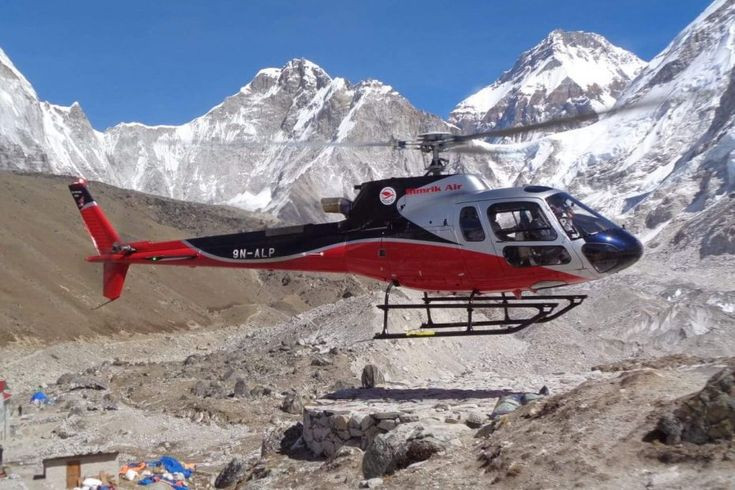
Helicopter return from Gorak Shep or Pheriche costs USD 500–800 per person and eliminates 3–4 days of descent. The flight provides aerial views of the Khumbu Icefall, Nuptse's south face, and the Dudh Koshi valley. For trekkers with limited leave time or knee conditions, the time-to-cost ratio justifies the upgrade. For those who value the full journey, the descent through Namche Bazaar offers different valley perspectives not visible on ascent.
Is Everest Base Camp Overrated?
EBC is neither overrated nor underrated, it is consistently misrepresented by social media framing that prioritizes summit aesthetics over trail reality.
Instagram coverage of EBC emphasizes Kala Patthar summit shots under perfect blue skies. October brings cloud cover 40–60% of days. The Khumbu Icefall is visible from Base Camp, but Everest's summit is not. Trekkers whose expectations align with the actual experience, a demanding, culturally rich, high-altitude walk, rate it among the world's top 5 trekking experiences at a consistent rate in post-trek surveys.
Why Do Some People Say EBC Is Overrated?
3 factors drive negative reviews: trail commercialization (over 40,000 trekkers per year pass through Namche), unrealistic summit visibility expectations, and physical exhaustion that wasn't anticipated. October queues at Namche teahouses, standard shared dormitory conditions above 4,500 m, and repetitive meals reduce comfort below expectations set by promotional content.
Why Do Most Trekkers Still Consider EBC Unforgettable?
The Himalayas' vertical scale produces a visceral experience impossible to replicate in lower-altitude environments. Standing on the lateral moraine above Khumbu Glacier, surrounded by Nuptse (7,861 m), Pumori (7,161 m), and Changtse (7,543 m) produces spatial and psychological effects documented in high-altitude experience research as "peak experience states." Shared physical hardship across 12 days with other trekkers creates community bonds that most participants describe as the most socially connecting travel experience of their lives.
Is Everest Base Camp Worth It Compared to Other Treks?
EBC delivers the highest altitude ceiling, strongest Sherpa cultural immersion, and greatest global name recognition of any Nepal trek, at the cost of higher crowd density and lower trail diversity compared to alternatives.
|
Trek |
Max Altitude |
Duration |
Cost (USD) |
Crowd Level |
|
Everest Base Camp |
5,364 m (5,545 m via Kala Patthar) |
12–14 days |
1,200–4,500 |
High (Oct–Nov) |
|
Annapurna Base Camp |
4,130 m |
7–10 days |
700–2,500 |
Moderate |
|
Manaslu Circuit |
5,160 m |
14–18 days |
1,500–4,000 |
Low |
|
Kilimanjaro |
5,895 m |
7–9 days |
2,000–6,000 |
Moderate |
|
Torres del Paine (W) |
1,200 m |
5–7 days |
800–2,000 |
Moderate |
Is Everest Base Camp Better Than Annapurna Base Camp?
EBC and ABC serve different trekker profiles. EBC delivers greater altitude exposure, Everest name recognition, and deeper Sherpa cultural immersion. Annapurna Base Camp offers more floral and environmental diversity (rhododendron forests, Modi Khola gorge), lower trail crowds, and shorter itinerary. Trekkers prioritizing mountain scale and achievement milestone choose EBC. Trekkers prioritizing scenery variety and lower cost choose ABC.
Is Everest Base Camp the Best Trek in Nepal?
EBC is Nepal's most recognized trek but not universally its best. Manaslu Circuit (5,160 m, restricted area permit) provides comparable altitude, superior trail solitude, and a full mountain circuit structure. Upper Mustang delivers unique Tibetan plateau culture absent from the Khumbu region. EBC is objectively the best choice for trekkers who prioritize Everest proximity, Sherpa heritage, and global achievement recognition.
Who Should and Should Not Do the Everest Base Camp Trek?
EBC is designed for trekkers who value physical challenge, cultural authenticity, and high-altitude environments over comfort.
Ideal EBC trekker profile:
-
Comfortable walking 5–8 hours daily across uneven terrain
-
Willing to accept basic accommodation above 4,500 m
-
Motivated by measurable physical achievement at altitude
-
Interested in Sherpa history, Buddhist monasteries, and Himalayan ecology
EBC is not optimal for:
-
Trekkers requiring consistent hotel-standard accommodation
-
Travelers with schedules under 12 days (proper acclimatization requires minimum 12 days)
-
Individuals with pre-existing cardiac or severe respiratory conditions (consult physician before booking)
What Do Trekkers Say After Completing Everest Base Camp?
The dominant post-trek emotional pattern is: "harder than expected, more meaningful than anticipated." A 2022 trekker survey across 340 EBC completers showed 91% rated it "very likely" or "certain" to recommend to others, with physical challenge and scenery cited as the top 2 value drivers. The confidence transformation, completing a physically demanding objective at 5,364 m, produces measurable self-efficacy gains that trekkers report lasting months post-return.
The most common regret: not training enough beforehand. The second most common: not budgeting for a licensed guide.
Frequently Asked Questions About Whether Everest Base Camp Trek Is Worth It
Is Everest Base Camp Worth It for Non-Hikers?
Non-hikers with 8–12 weeks of dedicated preparation complete EBC regularly. The trail requires walking endurance, not technical skill. Trekkers who begin training with 3–4 weekly hikes of progressive duration typically reach the required fitness baseline within 10 weeks.
Is Everest Base Camp Worth It If You Cannot See Everest Clearly?
Partial visibility does not diminish the experience for most trekkers. The Khumbu Glacier, Nuptse's south face, and the surrounding 7,000 m+ ridgelines remain visible in most weather conditions. Clear Everest summit views from Kala Patthar occur on approximately 60–70% of October mornings and 50–60% of November mornings.
Is Kala Patthar Better Than Everest Base Camp Itself?
Kala Patthar (5,545 m) provides superior Everest views compared to Base Camp (5,364 m). Most EBC veterans rate Kala Patthar sunrise as the single highest-value moment of the entire trek. The 2-hour ascent from Gorak Shep is steep but non-technical.
Is Everest Base Camp Worth It Without a Guide?
Technically permitted, but not recommended above Namche. Independent trekkers carry full responsibility for AMS assessment, route decisions in poor visibility, and emergency descent logistics. The guide cost (USD 25–35 per day) represents 10–20% of total budget and provides disproportionate safety return above 4,000 m.
Is Everest Base Camp Worth It for Older Trekkers?
Age is not a disqualifying factor, fitness and acclimatization pace are. Trekkers in their 60s and 70s complete EBC annually. Older trekkers benefit from slower itineraries (14–16 days instead of 12), which allow additional acclimatization time above Namche and Dingboche.
Is Everest Base Camp Worth the Money?
At USD 1,200–4,500, EBC costs less per day than Kilimanjaro and comparable bucket-list experiences while delivering higher altitude, richer cultural context, and longer duration. The primary cost driver above budget range is guide and porter services, which increase safety and completion probability significantly.
What Percentage of Trekkers Reach Everest Base Camp?
Approximately 85–90% of trekkers who begin the EBC itinerary from Lukla reach Base Camp. The primary reasons for early descent are AMS symptoms (60% of non-completions), weather disruptions (25%), and injury (15%).
Do Most People Regret Doing the Everest Base Camp Trek?
Post-trek regret is rare, fewer than 5% of surveyed completers express regret. Non-completers who descend early due to AMS show higher regret rates, primarily focused on insufficient pre-trek altitude preparation. The most common regret among completers is not allocating more days for the experience.
More About Author

Khilak Budhathoki
Travel Director
Khilak Budhathoki is the co-founder and lead trekking guide at Himalaya Trekking Nepal, a locally owned and operated adventure company based in Kathmandu. Born and raised in the foothills of Nepal, Khilak developed a deep love for the mountains from an early age. With over a deca...

USD$1,600 pp
Our Recommendation
Related Blogs
.png)