- 02, Feb 2026 | Khilak Budhathoki
Trekking to Annapurna Base Camp in Nepal is one of the most rewarding Himalayan adventures in the world. From diverse landscapes and traditional mountain villages to breathtaking views of Annapurna I (8,091m), the journey is unforgettable. However, due to altitude, remote terrain, and changing weather, proper safety planning is important.
This Annapurna Base Camp trek safety guide explains everything international travelers need to know, from permits and insurance to altitude sickness, packing lists, and why trekking with a licensed trekking guide in Nepal significantly reduces risks.
Why Safety Planning Matters in Annapurna?
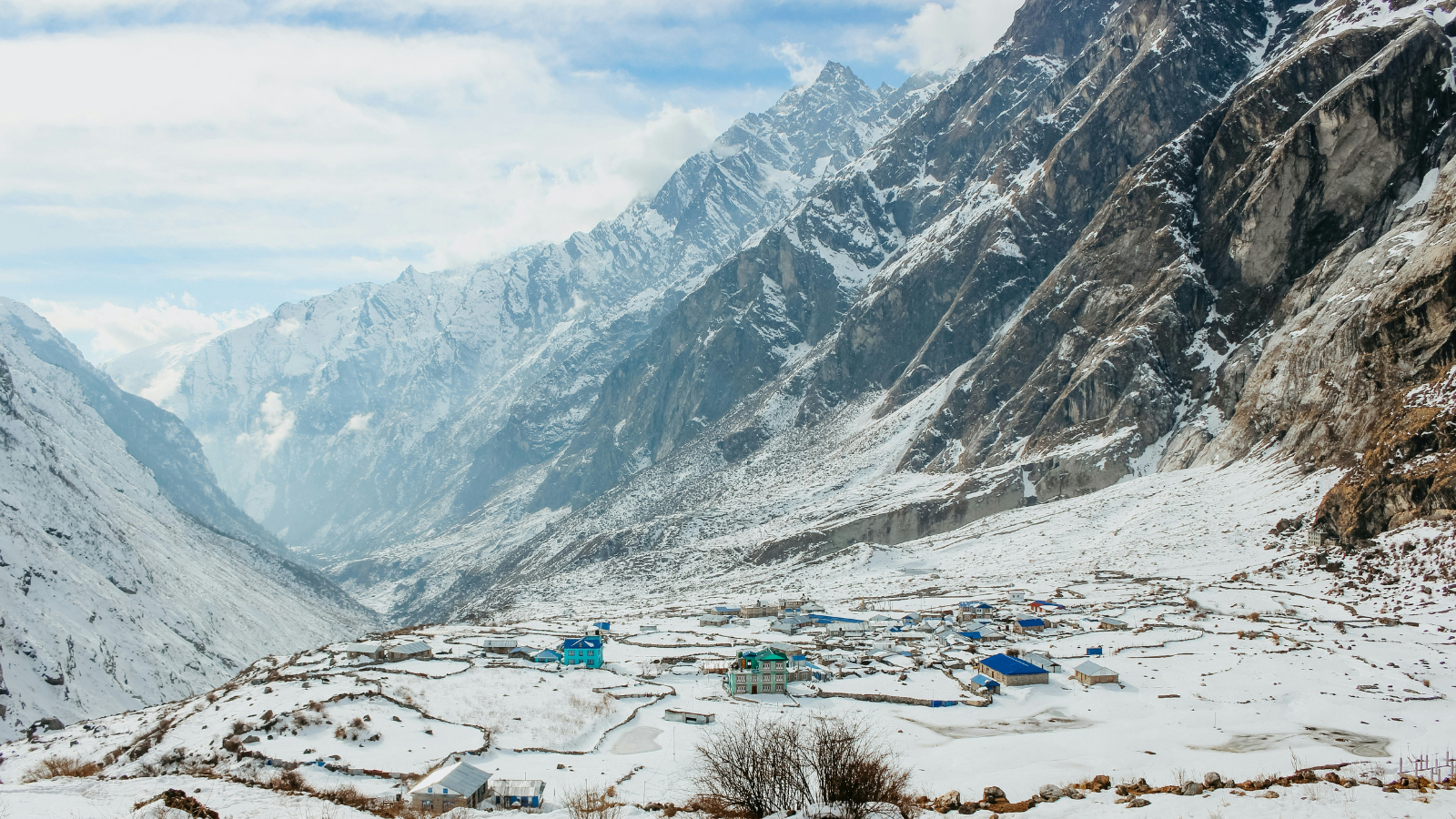
Every year, helicopters evacuate trekkers from the Annapurna region. Most of these emergencies are preventable. The difference between a life-changing adventure and a dangerous situation often comes down to preparation, knowledge, and having the right support system.
The Annapurna region isn't inherently dangerous but it demands respect. You'll face altitude gains, unpredictable weather, remote trails, and physical challenges that test even experienced hikers. The good news? With proper planning and expert guidance, you can manage these risks and create memories that last forever.
Understanding the Annapurna Region: Terrain, Altitude, and Trek Variations
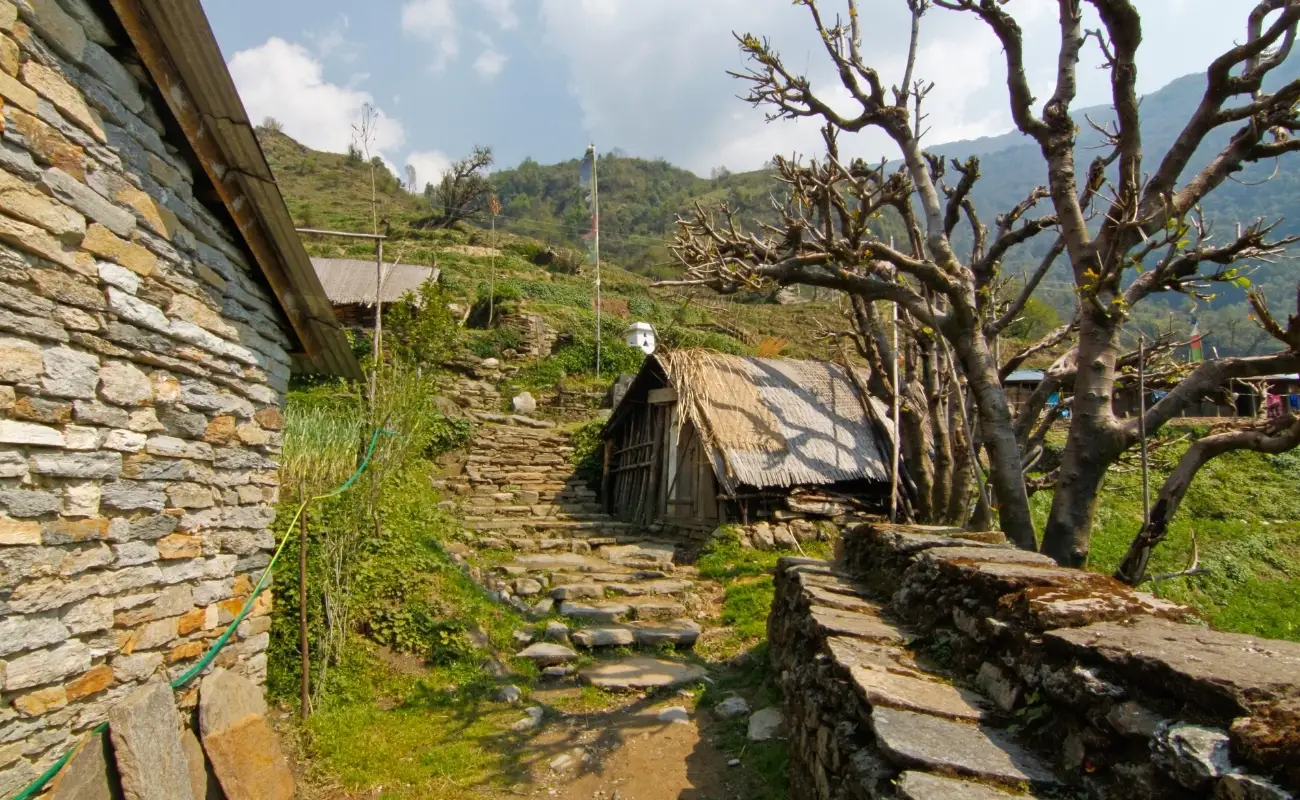
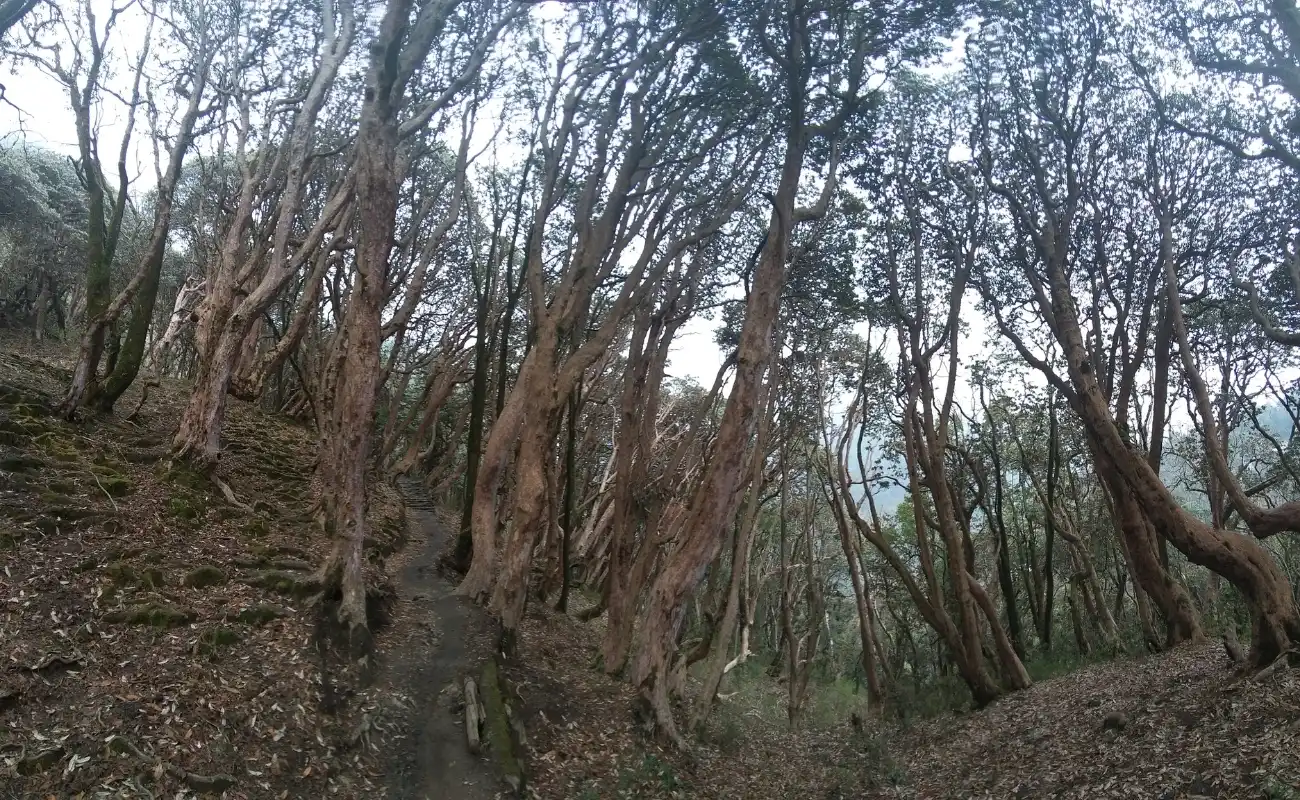
The Annapurna region is one of Nepal’s most diverse trekking destinations, with trails passing through subtropical forests, terraced fields, and high alpine landscapes. You will visit traditional Gurung villages like Ghandruk and Chhomrong while navigating stone staircases, narrow ridges, and gravel paths. Seasonal hazards include landslides (monsoon) and avalanches (winter/spring), so preparation is key.
Altitude Range
-
Start: Pokhara (820m) or Nayapul (1,070m)
-
Midpoints: Ghorepani (2,874m), Chhomrong (2,170m)
-
Destination: Annapurna Base Camp (4,130m)
-
Circuit High Point: Thorong La Pass (5,416m)
Difficulty
The ABC trek is moderate, requiring 5–7 hours of walking daily on steep trails. Altitude acclimatization is essential above 3,000 m to prevent AMS.
Popular Routes
-
Standard ABC: 7–11 days with proper acclimatization
-
ABC via Poon Hill: 11 days with sunrise views at 3,210m
-
Short/Rapid ABC: 5–6 days for fit trekkers
-
Luxury & Heli Options: Comfort-focused treks with helicopter return
-
Annapurna Circuit: 12–18 days, crossing Thorong La and optional Tilicho Lake
This variety makes Annapurna accessible for both first-time and experienced trekkers while offering flexible trekking itineraries.
Pre-Trek Compliance and Travel Preparation for ABC Trek
Before starting the Annapurna Base Camp trek in Nepal, you must meet specific legal and logistical requirements. Failing to do so can result in fines, denied entry, or unsafe trekking conditions.
Mandatory Licensed Guide Requirement for Annapurna Trek
Here's something many first-time trekkers don't know: Nepal government regulations now require foreign trekkers to hire a licensed trekking guide for protected areas, including the entire Annapurna Conservation Area.
This isn't a suggestion; it's the law. And honestly? It's one of the smartest safety measures Nepal has implemented.
Why a licensed trekking guide in Nepal matters:
-
Safe navigation through remote mountain trails
-
Monitoring altitude sickness in Annapurna
-
Emergency response and evacuation coordination
-
Communication with local authorities and teahouses
Trekking without a licensed guide increases risk and is strongly discouraged for safety reasons.
Think of your guide as your mountain insurance policy. They've walked these trails hundreds of times. You're doing it once. That experience gap could save your life. Contact Himalaya Trekking Nepal's team for more information.
Required Trekking Permits for ABC: ACAP & TIMS
You'll need two essential permits:
Annapurna Conservation Area Permit (ACAP): This supports conservation efforts and gives you legal access to the protected region. Your permit fees directly fund trail maintenance, waste management, and community development projects.
TIMS Card (Trekkers' Information Management System): This tracks your location for safety purposes. If something goes wrong, authorities know you're on the mountain and where you planned to be.
Most reputable trekking agencies like Himalaya Trekking Nepal handle the ACAP permit and TIMS card documentation for you, saving you hours of paperwork and potential errors. Just provide your passport copies and photos, and let the professionals handleit, while you focus on getting physically ready.
Pro tip: Don't try to skip permits or use fake documents. Checkpoints throughout the trek verify permits, and penalties include fines, deportation, and potentially being barred from future treks in Nepal.
Travel Insurance for High-Altitude Trekking
Annapurna trekking insurance isn't optional. A helicopter evacuation from ABC costs $3,000-$7,000. Without insurance, you either pay out of pocket or risk your life waiting for alternative transport that may not come in time.
Your policy must specifically cover:
-
Trekking and hiking up to at least 6,000 meters
-
Emergency helicopter evacuation from remote mountain areas
-
Medical treatment for altitude-related illnesses
-
Emergency hospitalization in Kathmandu or Pokhara
-
Repatriation to your home country if necessary
Standard travel insurance won't cut it. You need specialized adventure travel insurance. Companies like World Nomads, Global Rescue, and IMG offer policies designed for Himalayan trekking.
Check the fine print: Some policies exclude coverage if you trek without a licensed guide. Now you see why that guide requirement protects you in multiple ways.
Physical Fitness & High-Altitude Trekking Preparation
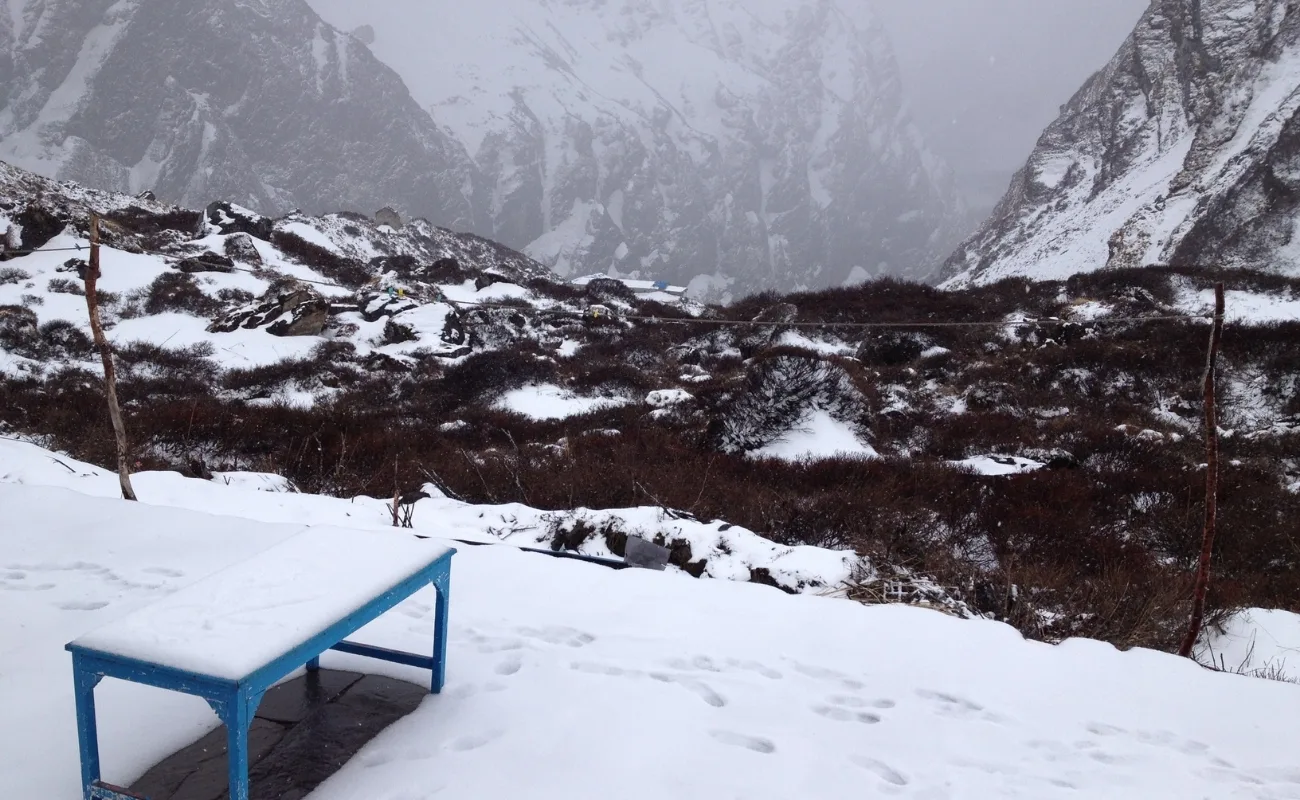
Many travelers ask: How difficult is Annapurna Base Camp trek?
The honest answer: it's moderate in technical difficulty but demanding in endurance and altitude challenge. You don't need mountaineering skills, but you absolutely need cardiovascular fitness and mental toughness.
The Reality Check: What Your Body Will Face
Over 10-14 days, you'll trek 6-8 hours daily through:
-
Continuous uphill climbs, gaining 3,000+ meters of elevation
-
Steep stone staircases numbering in the thousands
-
Suspension bridges swaying over rushing rivers
-
The altitude that makes every breath harder
-
Temperature swings from 20°C to -15°C
If you're currently sitting on your couch thinking, "I'll get in shape on the trail," let me stop you right there. That approach leads to misery, injury, or evacuation.
Cardiovascular Endurance Training: Your Foundation
Start training 3-5 months before departure. This isn't negotiable if you want to actually enjoy your trek instead of suffering through it.
Your training plan should include:
-
Running or cycling: 3-4 times weekly, building to 60-90 minute sessions
-
Long hiking days: Work up to 6-7 hours of continuous walking
-
Stair climbing: Find a building or stadium and climb, climb, climb
-
Swimming: Excellent for building lung capacity without joint stress
The goal isn't to become an Olympic athlete. You need the stamina to walk uphill for hours, day after day, at altitude. Your lungs and heart need to be efficient machines.
Strength & Muscle Conditioning: Injury Prevention
Strong legs and core muscles don't just make the trek easier; they prevent the knee injuries, ankle sprains, and back problems that end treks prematurely.
Focus on these exercises 3 times weekly:
-
Squats and lunges: Build the leg strength for endless uphills
-
Step-ups: Mimic the stair-climbing motion you'll do thousands of times
-
Planks and core work: Protect your back when carrying your backpack
-
Calf raises: Prevent muscle fatigue on steep descents
You don't need a gym membership. Bodyweight exercises at home work perfectly.
Trek-Specific Training
Here's what separates prepared trekkers from struggling ones:
-
Practice hiking with a loaded backpack. Start with 5 kg and build to 10 kg. Your daypack on the trek will weigh this much with water, snacks, camera, and layers. Your body needs to adapt to this load.
-
Break in your trekking boots thoroughly. Wear them on every training hike. Blisters at altitude are miserable. Blisters on day one can ruin your entire trek.
-
Train on varied terrain. Flat treadmill walking doesn't prepare you for uneven mountain trails, rocks, and roots.
Altitude & Health Safety During Annapurna Trek
Altitude is the biggest safety concern on the Annapurna Base Camp trek. It is the biggest medical risk you'll face. It doesn't discriminate by age, fitness level, or past experience; don't think that makes you immune.
Understanding Altitude Sickness in Annapurna
The three altitude illnesses you must recognize are
-
Acute Mountain Sickness (AMS): The most common form. Symptoms include headache, nausea, dizziness, fatigue, and loss of appetite. Mild AMS affects 50-75% of trekkers at some point.
-
High Altitude Pulmonary Edema (HAPE): Fluid accumulates in your lungs. Symptoms include severe breathlessness, coughing up pink frothy sputum, chest tightness, and extreme fatigue. This is life-threatening.
-
High Altitude Cerebral Edema (HACE): Fluid accumulates in your brain. Symptoms include severe headache, confusion, loss of coordination, and altered consciousness. This kills quickly without immediate descent.
Rule: If symptoms worsen despite rest, you must descend immediately. Altitude illness doesn't improve by staying at the same elevation.
Proper Acclimatization Practices
Your body needs time to adapt to reduced oxygen. Rush this process, and you're gambling with your life.
Follow these proven acclimatization rules:
-
"Climb high, sleep low": It's okay to hike above your sleeping altitude during the day, but always descend to sleep
-
Limit daily elevation gain: Above 3,000m, don't sleep more than 300-500m higher than the previous night
-
Build rest days into your itinerary: Spend an extra night at key elevations like Deurali or Machapuchare Base Camp
-
Listen to your body: Ignore summit fever and competitive thoughts
This is why the Annapurna Base Camp trekking itinerary typically spans 10-14 days. Faster itineraries exist, but they dramatically increase altitude sickness risk. The question isn't "how many days to trek Annapurna Base Camp?" but rather "how many days do I need to trek safely?"
Our licensed guide will monitor your symptoms daily and adjust the itinerary if needed. Don't hide symptoms out of embarrassment or determination. Your guide has seen it all before and would rather slow down than call a helicopter. Contact Himalaya Trekking Nepal
Hydration & Nutrition on the Trail
-
Drink 3-4 liters of water daily. At altitude, your body loses moisture faster through breathing. Dehydration mimics and worsens altitude sickness symptoms.
-
Use electrolyte tablets to replace salts lost through sweating. Plain water isn't enough during strenuous activity.
-
Eat carbohydrate-rich meals for efficient energy. The mountain staple Dal Bhat (lentil soup with rice) is perfectly nutritious, energy-dense, and most teahouses offer unlimited refills. Dal Bhat is ideal, it’s nutritious, energy-dense, and refillable.
-
Avoid alcohol until you're back below 3,000m. Alcohol dehydrates you and worsens altitude adaptation.
Essential Gear & Technical Safety: What to Pack for Annapurna Base Camp Trek?

Poor gear doesn't just make you uncomfortable; it creates safety risks. Hypothermia, frostbite, and injuries often result from inadequate equipment.
The Layering System: Your Defense Against Mountain Weather
The weather in the Himalayas changes within minutes. Morning sunshine becomes an afternoon snowstorm. The only way to manage this is proper layering.
- Base layer (thermal): Merino wool or synthetic fabric that wicks sweat away from skin. Bring 2-3 tops and 2 bottoms.
- Insulating mid-layer: Fleece jacket or down puffy jacket that traps warmth. The higher you climb, the more critical this becomes.
- Waterproof outer shell: Quality rain jacket and rain pants that block wind and moisture. Don't skimp here cheap rain gear fails when you need it most.
This three-layer system adapts to any condition. Hot and sunny? Strip to base layer. Windy and cold? Add mid-layer. Rain or snow? Add a shell layer.
Footwear & Trail Traction
Your feet carry you 60+ kilometers over challenging terrain. Foot problems end treks.
- Well-broken-in trekking boots: Ankle support, waterproof Gore-Tex, and stiff sole. Wear them on at least 50 kilometers of training hikes before departure.
- Quality hiking socks: Merino wool blend, fitted properly to prevent blisters. Bring 4-5 pairs so you always have dry options.
- Micro-spikes or crampons: Essential for winter months (December-February) when ice covers trails. Your guide will advise if conditions require them.
- Trekking poles: Reduce knee strain by 25% on descents. Provide stability on uneven terrain. Worth their weight in gold.
Emergency & Personal Safety Gear
First-aid kit essentials:
-
Diamox (acetazolamide) for altitude sickness prevention get a prescription before leaving home
-
Blister treatment: moleskin, medical tape, antiseptic
-
Pain relief: ibuprofen for headaches and muscle soreness
-
Altitude sickness medication as prescribed by your doctor
-
Anti-diarrheal medication
-
Water purification tablets as backup
Safety and survival items:
-
Headlamp with extra batteries – Teahouses sometimes lose power, and you'll need light for early morning or evening bathroom trips
-
Four-season sleeping bag rated to -10°C or lower – Teahouses provide blankets but not always sufficient at high altitude
-
Sunscreen (SPF 50+) and lip balm – UV radiation intensifies with altitude
-
Sunglasses with UV protection – Snow blindness is real and painful
If you're worried about what to pack and buy for your first-time trek, we've got you covered. You can rent your trekking gears here in Nepal at Kathmandu or Pokhara at affordable rates. Contact Himalaya Trekking Nepal for more information.
Environmental Hazards & Trail Etiquette in ABC Trek
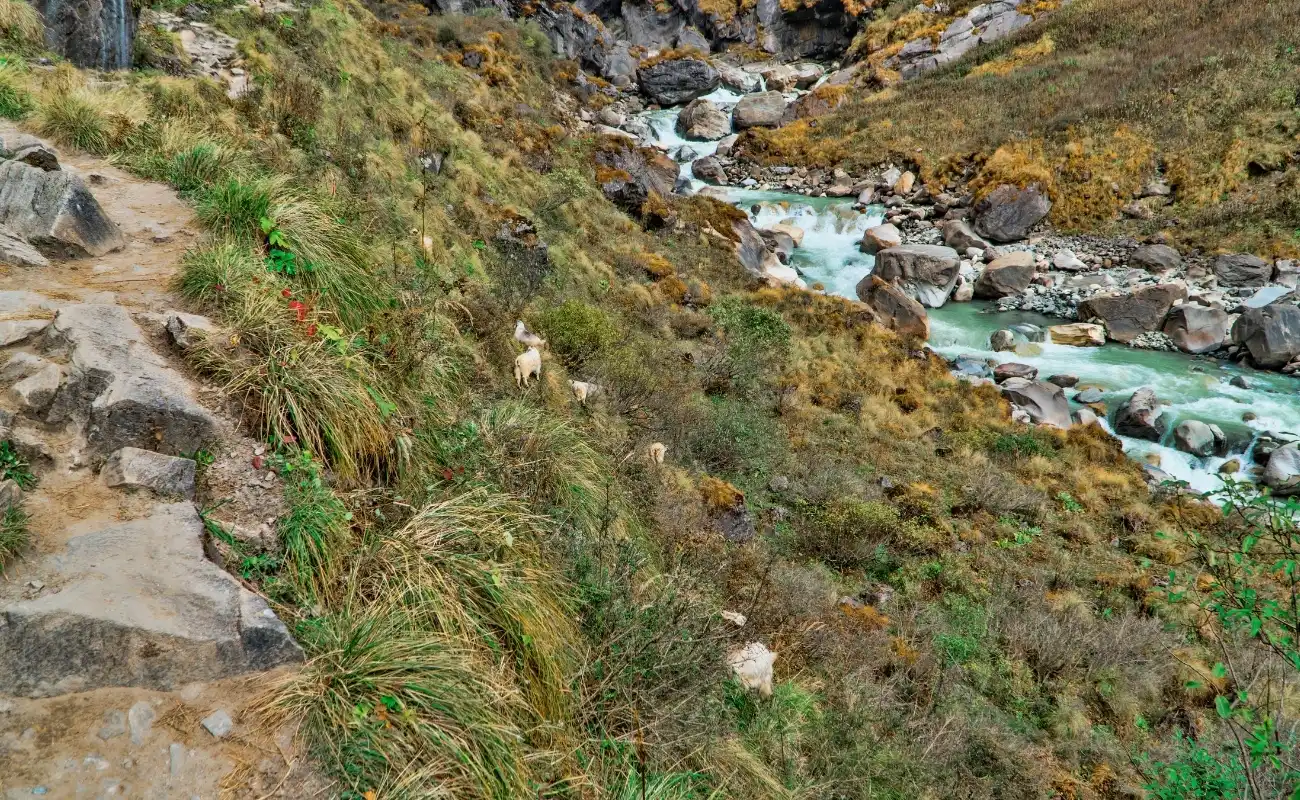
Trekking in the Annapurna region is incredibly rewarding, but you must be aware of the natural challenges and practice proper trail etiquette:
-
Seasonal Trekking Risks:
Monsoon (June–August): Trails can become slippery and prone to landslides, while heavy rains increase the presence of leeches in lower forests. Extra caution is needed.
Winter (December–February): Higher altitudes experience snow and icy trails, and some passes may be closed, making trekking more challenging. Proper gear and local guidance are essential.
-
Avalanche-Prone Zones: Certain areas, particularly between Deurali and Machhapuchhre Base Camp (MBC), are at high risk for avalanches during spring and winter. Snow becomes more unstable as the day warms, so crossing early, typically before 9:00 AM, reduces risks. You should always follow the licensed guide’s advice on timing and safe routes.
-
Mountain-Side Rule: On narrow trails, always step onto the mountain side (the inner slope) when encountering yaks, mules, or porter caravans. This simple rule prevents accidents and respects the local trekking culture. Never step on the cliff side, as it can be extremely dangerous.
-
Seismic Awareness: The Annapurna Himalayas are geologically young and prone to earthquakes or tremors. You should learn to identify stable ground, avoid loose rocks, and never camp in areas with unstable slopes or exposed ridges. Awareness and caution are key for minimizing risk in these regions.
Health, Hygiene, and Nutrition on the ABC Trail
High-altitude trekking requires careful attention to hydration, nutrition, and hygiene to prevent illness:
-
Water Purification: Avoid drinking untreated water or relying on plastic bottles. Carry a UV water purifier (SteriPEN) or chlorine dioxide drops to ensure water is safe. Hydration is crucial at high altitudes to prevent dehydration and altitude sickness.
-
The Vegetarian Rule: Above 3,500m, storing meat safely is nearly impossible due to a lack of refrigeration. Foreign trekkers are advised to stick to vegetarian meals, especially Dal Bhat, rice, or freshly cooked pasta, which provide energy without risk of food poisoning.
-
Sanitation Practices: Hygiene can be challenging in remote areas with limited hot water. Carry biodegradable wipes and hand sanitizer to maintain personal cleanliness. Avoid contaminating natural water sources by using eco-friendly sanitation products.
Emergency Procedures & Rescue Coordination in Annapurna
Being prepared for emergencies is essential for international trekkers unfamiliar with the region:
-
Helicopter Evacuation: For serious medical issues, helicopter evacuation is available in 2026 and typically costs $3,500–$6,000. Licensed guides coordinate with insurance providers, handle permits, and ensure quick and safe evacuation if needed.
-
Himalayan Rescue Association (HRA): The HRA has a post in Manang, the highest medical facility on the Annapurna Circuit. They provide basic treatment, emergency response, and evacuation support, making them a crucial resource for trekkers.
-
Emergency Contacts: Keep a physical card with local police numbers, your embassy contacts, and the trekking agency’s 24-hour emergency hotline. This ensures you can access help immediately in case of injury, illness, or unexpected situations.
-
Guide & Porter Support: Licensed guides and porters are trained in first aid, altitude sickness recognition, and emergency response. Having a guide not only improves safety but provides peace of mind for first-time trekkers in a high-altitude environment.
Cultural Awareness & Responsible ABC Trekking
The Annapurna region is home to Gurung and Magar communities who've lived in these mountains for centuries. You're a guest in their home.
Respecting Local Cultureof Nepal
- Dress modestly in villages and near monasteries. Cover shoulders and knees. This shows respect and helps maintain the culture tourism aims to preserve.
- Walk clockwise around mani stones, prayer wheels, and stupas. These are sacred Buddhist monuments. Walking the wrong direction is offensive.
- Ask before photographing people, religious sites, or ceremonies. Many locals welcome photos but appreciate being asked first. Some holy sites prohibit photography entirely.
- Learn basic Nepali phrases: "Namaste" (hello/goodbye), "Dhanyabad" (thank you), "Mitho chha" (delicious). Locals deeply appreciate the effort.
Responsible & Sustainable Trekking in Nepal
Tourism brings income to mountain communities but also creates environmental pressure. Trek responsibly:
-
Avoid single-use plastics. Bring a reusable water bottle and use filtered water or purification tablets. The Himalayas don't have recycling infrastructure plastic waste accumulates.
-
Support local teahouses and guides. Foreign-owned companies extract profits from Nepal. Local agencies reinvest in communities and provide better employment conditions.
-
Carry out what you carry in. Pack out all trash, including toilet paper, candy wrappers, and batteries.
-
Use the teahouse toilets properly. Don't throw toilet paper in squat toilets use the waste bin provided.
-
Responsible trekking in Nepal ensures your tourist dollars benefit the people who call these mountains home, not just international corporations.
Why Trek Annapurna with Himalaya Trekking Nepal?
Choosing a professional trekking agency like Himalaya Trekking Nepal improves safety and experience:
-
Government-licensed guides
-
Ethical porter treatment
-
Real-time weather and trail decisions
-
Emergency coordination and communication
Whether it’s your first Himalayan trek or not, expert local support makes all the difference.
Final Safety Advice for Annapurna Trekkers
So, is Annapurna Base Camp dangerous?
The truth: any high-altitude trek carries inherent risks. But when approached with proper preparation, permits, comprehensive insurance, and licensed professional guides, the Annapurna Base Camp trek becomes a manageable, safe, and profoundly rewarding adventure.
Thousands of trekkers successfully complete this journey every year. The ones who struggle or face emergencies almost always share common factors: inadequate preparation, no guide, poor gear, or ignored warning signs.
Don't become a statistic. Don't let ego or budget concerns override safety.
Your safety checklist:
-
Physical training completed (3-5 months)
-
Comprehensive trekking insurance purchased
-
Licensed guide arranged through reputable agency
-
Permits processed (ACAP and TIMS)
-
Proper gear acquired and tested
-
Realistic itinerary with acclimatization days
-
Altitude illness knowledge understood
-
Emergency contacts and protocols established
Ready to Trek Annapurna Base Camp Safely?
Plan your Annapurna Base Camp trek in Nepal with Himalaya Trekking Nepal and enjoy the Himalayas with confidence, comfort, and peace of mind.
Annapurna Base Camp Trek requires the right information about routes, permits, seasons, food, and accommodation. Below are detailed guides to help you prepare better and make the most of your trek.
- Annapurna Base Camp Trek – Complete Guide
- Annapurna Base Camp Trek Map & Route Guide
- Annapurna Base Camp Trek Difficulty
- Annapurna Base Camp Trek Permits & Cost
- Annapurna Base Camp Trek Budget/Cost Breakdown
- Food & Accommodation on Annapurna Base Camp Trek
- Annapurna Base Camp Trek Packing List
- Annapurna Base Camp Trek in Spring
- Annapurna Base Camp Trek in Autumn
- Best time for Annapurna Base Camp Trek
FAQ's
How many days to trek Annapurna Base Camp?
The standard itinerary is 10-14 days depending on your starting point and acclimatization needs. Shorter itineraries exist but significantly increase altitude sickness risk. Don't rush this experience.
Is Annapurna Base Camp trek suitable for beginners?
Yes, with proper physical preparation and professional guidance. It doesn't require technical climbing skills, but you need good cardiovascular fitness, mental determination, and respect for altitude challenges.
Can Nepali citizens trek ABC?
Absolutely. The Annapurna Base Camp trek for Nepali trekkers is popular, though permit requirements and fees differ from international visitors. Local agencies offer specialized packages for Nepali nationals.
What's the success rate for reaching ABC?
Approximately 85-90% of properly prepared trekkers with licensed guides successfully reach Annapurna Base Camp. The primary reasons for turning back are altitude sickness (preventable with proper acclimatization) and inadequate physical preparation.
Do I need previous trekking experience for ABC Trek?
No, but it helps. If ABC is your first multi-day trek, invest extra time in physical preparation and consider a few practice hikes at home to understand your body's response to sustained walking.
More About Author

Khilak Budhathoki
Travel Director
Khilak Budhathoki is the co-founder and lead trekking guide at Himalaya Trekking Nepal, a locally owned and operated adventure company based in Kathmandu. Born and raised in the foothills of Nepal, Khilak developed a deep love for the mountains from an early age. With over a deca...
USD$1,400 pp
Our Recommendation
Related Blogs