- 04, Feb 2026 | Khilak Budhathoki
The Magar Village of Nepal offers one of the most authentic cultural experiences in the Himalayas. Visiting a traditional Magar community village allows you to understand indigenous life, ancient traditions, and rural living in a way that feels genuine and deeply connected to nature.
A typical Magar village is surrounded by terraced farmlands, rivers, forests, and lush green hills. This peaceful landscape reflects the close relationship between the Magar people and their natural environment, where agriculture remains the foundation of daily life.
The Magar people are among the oldest ethnic groups in Nepal. Their villages are mainly located in western and central Nepal, where strong community values, cultural practices, and traditional lifestyles are still well preserved.
Although Magar villages exist across Nepal, the Annapurna region is one of the best places to experience a true rural Magar village in Nepal. Known for its stunning mountain scenery and cultural diversity, this region attracts trekkers and cultural travelers from around the world.
Many trekking routes in the Annapurna directly pass through Magar villages in western Nepal, offering you a rare opportunity to witness simple village life where people, culture, and nature coexist harmoniously. Visiting these villages adds cultural depth to trekking, helping you understand Himalayan life beyond the mountains.
Who Are the Magar People of Nepal?
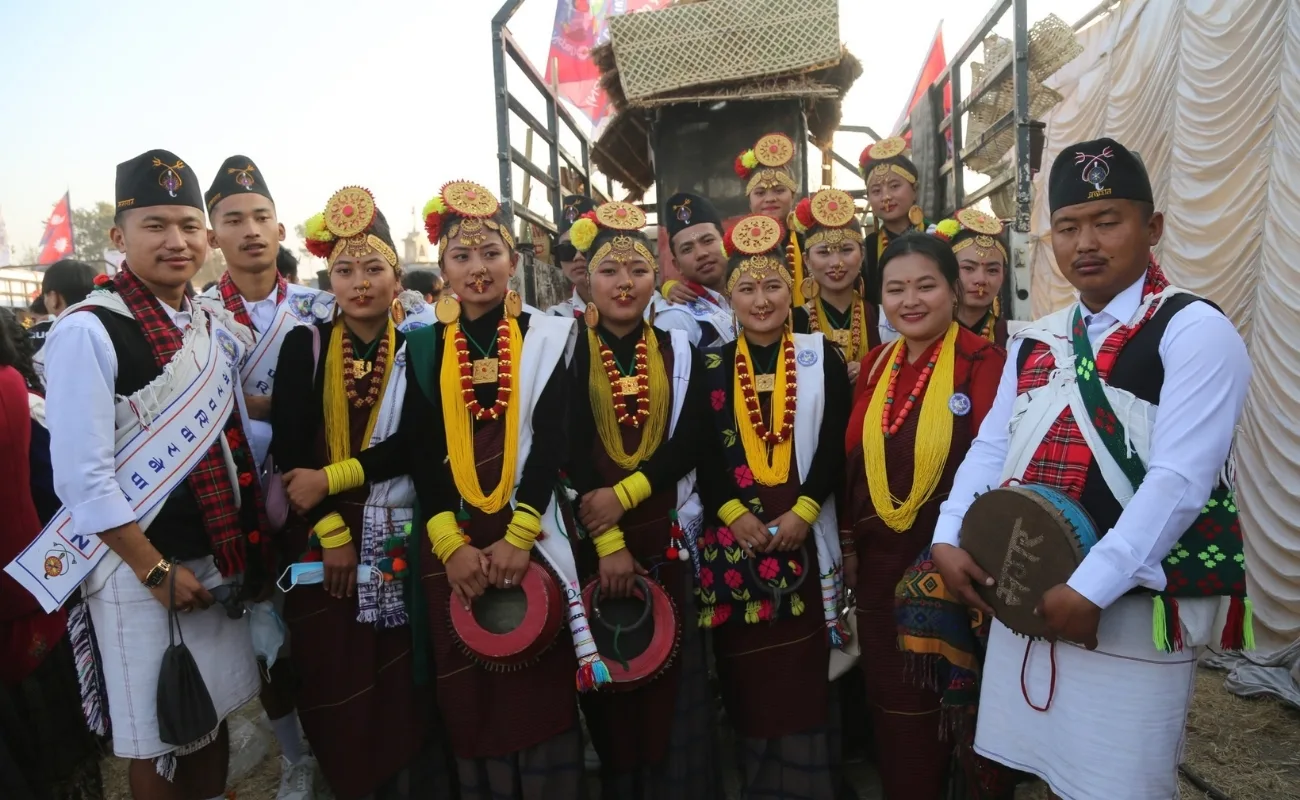
The Magar people are an indigenous ethnic group of Nepal with a long history, unique traditions, and a strong connection to nature. Honestly, back in the day, Magars were mostly known for being brave warriors and really hardworking farmers. And it's also true that many Magar men also served in the Gurkha regiments and became known around the world for their courage and discipline.
According to the 2021 Nepal Census, the Magar population stands at 2,013,498, making up approximately 6.9% of Nepal's total population. They are the third-largest ethnolinguistic group in the country. In the Gandaki Province (home to the Annapurna region), they represent 18.8% of the population. It highlights their status as a dominant local community.
Today, the Magar people continue to protect their culture through their language, traditional clothing, festivals, music, and strong community life. Their villages show a balanced way of living, where cultural values, farming, and respect for nature are an important part of everyday life.
Quick Facts About Magar Village
|
Feature |
Details |
|
Primary Locations |
Western & Central Nepal (Annapurna Region, Palpa, East Rukum/Rolpa) |
|
National Population |
~2.01 Million (6.9% of Nepal's total population) |
|
Regional Strongholds |
Gandaki Province (18.8%) and Lumbini Province (14.6%) |
|
Main Lifestyle |
Subsistence Agriculture, Animal Husbandry & Community Living |
|
Traditional Clans |
Thapa, Ale, Rana, Pun, Budhathoki, Gharti, and Roka |
|
Key Architecture |
Stone & red-mud plastered houses; unique traditional round/oval designs |
|
Signature Traditions |
Maruni, Kauda, and Salaijo dances; Shamanistic (Dhami/Jhankri) roots |
|
Notable Villages |
Ghorepani, Ghandruk, Ulleri (Annapurna), Sikles, and Bhujung |
|
Best Time to Visit |
Spring (March–May) & Autumn (Sept–Nov) |
Historical Background and Origins of the Magar Community
The history of the Magar people is deeply woven into the foundation of modern Nepal. As one of the earliest inhabitants of the middle hills, their journey from ancient migrations to the unification of the nation defines much of Nepal's cultural and military identity.
Origins and Migration
It is believed that the Magar people originated from the Tibetan plateau regions. Over centuries, they migrated southward into the hills of Nepal. This migration is reflected in their Tibeto-Burman linguistic roots and their adaptation to the rugged terrain of the Himalayas, where they established flourishing settlements long before modern borders were drawn.
Magarant: The Historical Magar State
Before the unification of Nepal in the 18th century, the Magar people lived in a region known as Magarant. This was not a single kingdom but a collection of "Twelve Magarats" (Barha Magarat) and "Eighteen Magarats" (Athara Magarat). These historical states were known for their self-governance and communal strength, with the Magar kings (Raja) ruling over significant portions of western and central Nepal.
Military Tradition and the Gorkhali Army
The Magar people are synonymous with bravery. Their military tradition became globally recognized during the unification of Nepal. Many Magars served as the backbone of King Prithvi Narayan Shah’s Gorkhali army. This reputation for fearlessness and discipline later led to their significant recruitment into the British and Indian Gurkha regiments, a tradition that continues to this day in many Magar villages in the Annapurna region.
Popular Magar Villages Across Nepal
While the Annapurna region is the most popular for trekkers, the Magar community spans the entire mid-hill belt of Nepal. Each village offers a unique perspective on their heritage, from architectural marvels to historic political hubs.
1. Namje (Dhankuta) – The Eastern Gem
Located in the hills of Eastern Nepal, Namje is a world-renowned Magar settlement. It gained international fame after being featured on CNN’s list of "12 Best Unheard-of Places."
-
Why Visit: Stunning panoramas of Mt. Makalu and Mt. Everest.
-
Cultural Highlight: Home to the "Atma Ghar" (House of Soul), a unique memorial designed by international architects to honor Magar ancestors.
2. Thabang (Rolpa) – The Heartland of Tradition
Thabang is a central hub for the Kham Magar community and a focal point for cultural and socio-political history in Western Nepal.
-
Architecture: Famous for its compact, traditional stone-and-slate house forms that have remained unchanged for generations.
-
Heritage: A key site within the historical Athara Magarat (Eighteen Magar Kingdoms), preserving the purest forms of Kham language and customs.
3. Bandipur & Ramkot
While Bandipur is known for its Newari architecture, the surrounding hills are the ancestral lands of the Magar people.
-
Ramkot Village: A short hike from Bandipur leads to Ramkot, a classic Magar settlement featuring traditional round houses and an authentic rural lifestyle.
-
Hospitality: You can homestay at Magar Village in the area to experience community-based hospitality while exploring these ancient hilltop trails.
Magar Villages in the Western Nepal (Annapurna Region)
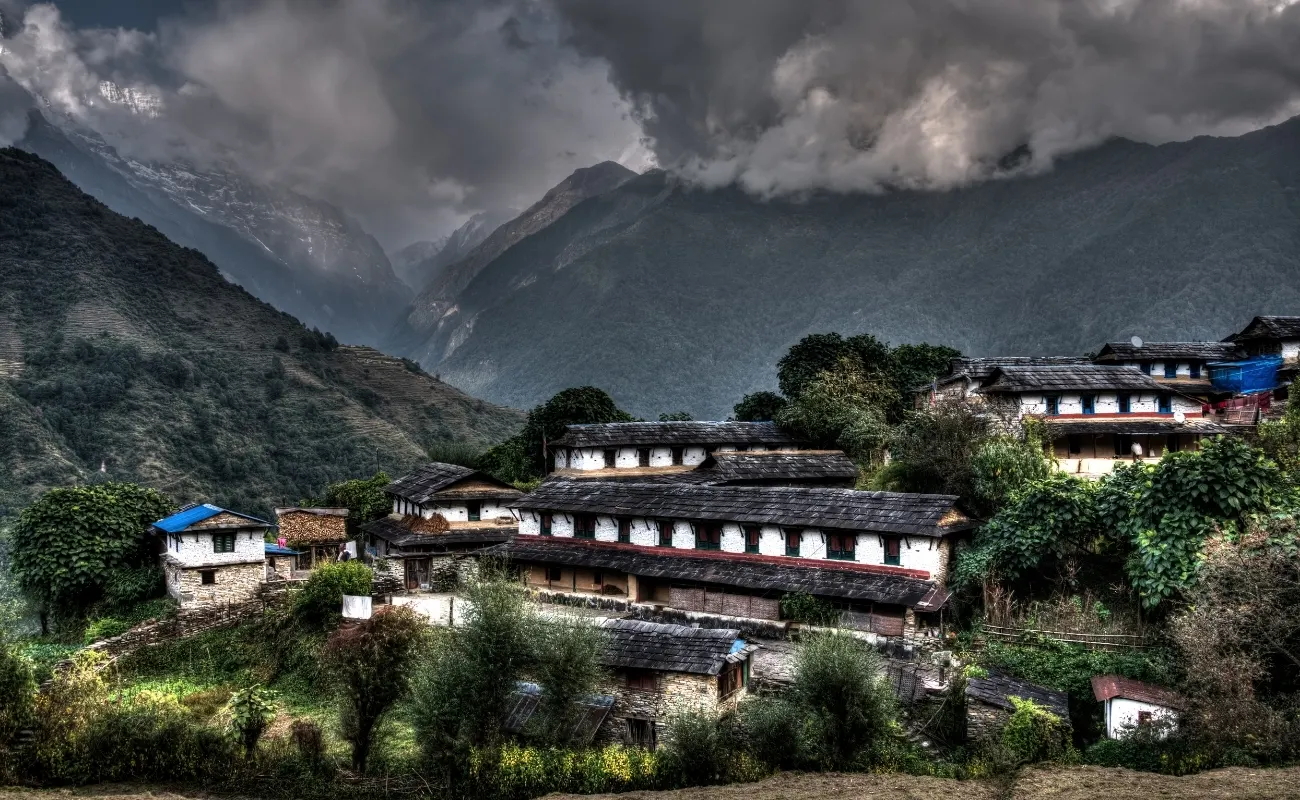
While Magar settlements span the country, the Annapurna region is the most accessible gateway for travelers to witness their culture firsthand. Most world-famous trekking routes in Western Nepal pass directly through the ancestral lands of the Pun and Khagi Magar clans.
Famous Magar Villages in the Annapurna Foothills
These villages are not just scenic stops; they are culturally vibrant hubs that offer a "living museum" experience during a Magar village tour:
-
Ghorepani: Sitting at 2,874m, this is a major hub managed by the Pun Magar community. It serves as the base for the legendary Poon Hill sunrise.
- Ulleri: Famous for its iconic 3,000+ stone staircases, this village offers a look at how Magar communities have engineered life on steep mountain slopes.
-
Ghandruk: While a mix of Gurung and Magar culture, it is the best place to see stone-roof architecture and visit local museums.
-
Sikles & Tadapani: Traditional settlements surrounded by rhododendron forests, offering a quieter, more "rural Magar village Nepal" experience.
Magar Culture and Lifestyle
The Magar culture and lifestyle are closely connected to agriculture, nature, and community values. Basically, daily life in a Magar village revolves around farming, animal husbandry, and household activities. Even with all the modernization happening lately, many Magar villages still follow traditional customs and social practices.
Magar villages have a distinct culture and traditions that differentiates them from Gurung or Thakali commmunities:
Traditional Architecture:
In western and central Nepal, Magar houses are traditionally two-story structures made of stone and plastered with reddish mud (ochre) or white lime. A unique feature of older rural Magar villages is the round or oval-shaped houses with thatched or slate roofs, which are rare among other Himalayan ethnic groups.
Agriculture
Farming is the heart of life in a Magar village. Villagers grow crops on terraced fields and raise animals like cows, goats, and chickens. Agriculture provides food for families and is also tied to festivals and local traditions.
You can see and participate in:
-
Planting and harvesting crops in terraced fields
-
Feeding and caring for livestock
-
Understanding traditional farming techniques used for generations
Traditional Clothing and Ornaments
Traditional dress plays an essential role in Magar culture, especially during festivals and events. Magar ladies generally wear bright traditional gowns coupled with handmade silver or gold jewelry. Most of the time, males frequently wear basic traditional garments that represent their cultural identity.These garments and accessories express societal ideals, heritage, and pride in their society.
Food and Local Cuisine
Food in a Magar village of Nepal is simple, organic, and prepared using locally grown ingredients. Common traditional foods include:
-
Dhido and Gundruk: a staple meal made from millet or maize flour
-
Local vegetables and lentils: grown in terraced fields
-
Millet-based traditional drinks: served during festivals and social gatherings
Additionally, sharing meals with visitors is regarded as a show of hospitality and respect. Visitors staying in Magar villages are often welcomed to have meals with local families, delivering a warm and welcoming experience.
Festivals and Traditions in Magar Community Village
The Magar community is linguistically diverse, speaking three distinct Tibeto-Burman languages: Magar Dhut (widely spoken in central/western regions), Magar Kham (dominant in the mid-western hills), and the rare Magar Kaike (spoken primarily in a few villages in Dolpa).
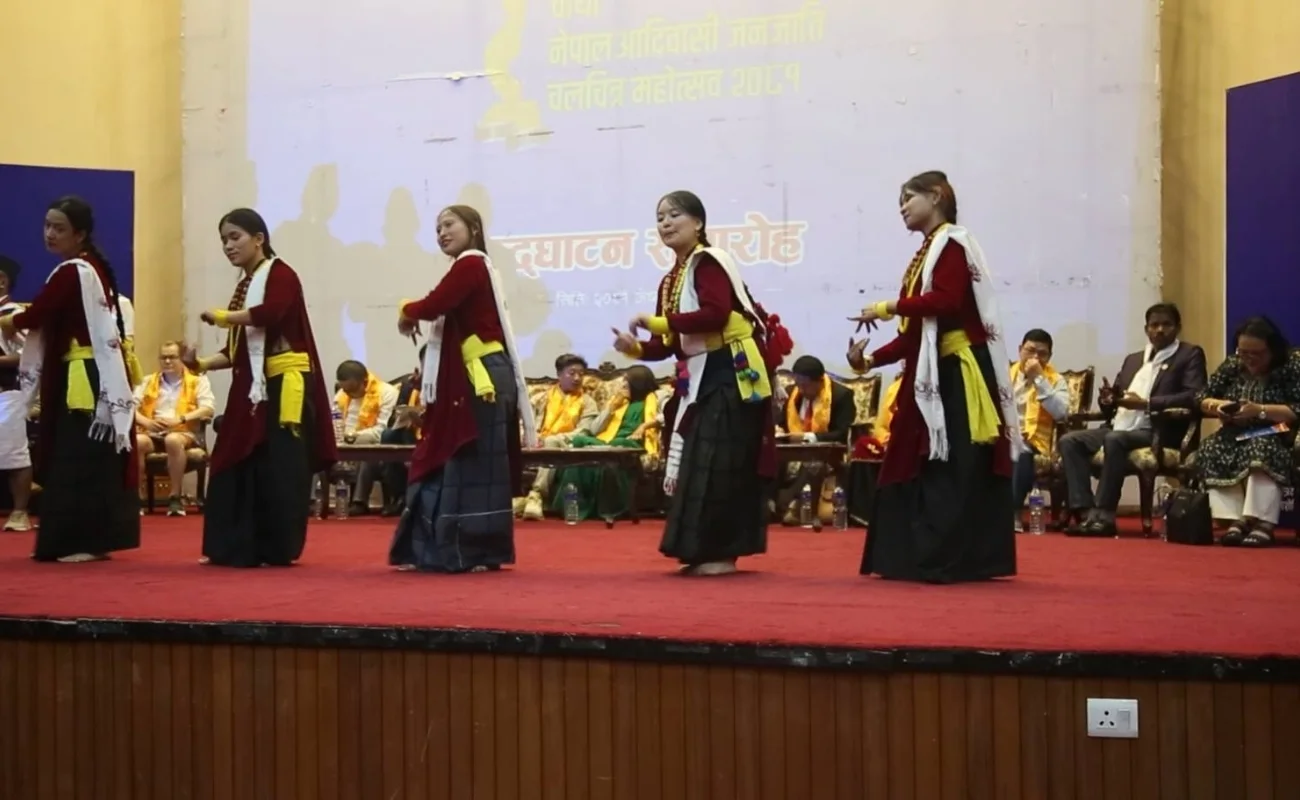
Festivals play an important role in Magar communal life. Through shared meals, rituals, dancing, and music, these festivities unite the villagers.
Popular Magar Festivals
-
Maghe Sankranti: marks the seasonal transition with special foods
-
Bhume Puja: a ritual honoring the earth and nature
-
Local village festivals: celebrated with dance, music, and community feasts
Those who join these celebrations gain a deeper understanding of Magar culture and lifestyle and the spiritual connection Magars have with nature. These events feature the energetic Kauda dance and the Maruni dance, where men often perform in traditional female attire to preserve ancient myths.
Annapurna Region: Gateway to Magar Villages
The Annapurna region is honestly one of the most popular places to go trekking in all of Nepal, and it's also where you'll find a lot of beautiful Magar villages. Most of the popular trekking routes, like the Annapurna Base Camp trek, Ghorepani Poon Hill trek, and the Annapurna Circuit, end up passing right through several Magar settlements.
Magar Village Experience While Trekking
While trekking in the Annapurna region, staying overnight in a rural Magar village in Nepal gives you a unique and memorable experience. You can enjoy the warmth of local hospitality, learn about traditional Magar culture, and see how people live in the mountains. These experiences make your trek more meaningful by adding cultural depth to the adventure.
Staying in a Magar village while trekking usually allows you to:
-
Experience genuine local hospitality
-
Learn about the Magar culture and lifestyle
-
Enjoy traditional home-cooked food
-
Observe daily mountain life closely
These experiences add cultural richness to trekking journeys and make travel more meaningful.
Homestay Experience in a Magar Village
Many Magar villages in the Annapurna region offers homestay facilities. Staying in a Magar village homestay supports the local economy and promotes sustainable tourism.
Benefits of Staying in a Magar Village
-
Authentic cultural exposure
-
Direct interaction with local families
-
Eco-friendly and responsible travel
-
Preservation of Magar traditions and lifestyle
Homestays are a big part of any Magar village tour in Annapurna. They basically let you see what village life is really like in a way that’s respectful and actually means something.
Stay with Local Families in Magar Villages
Immerse yourself in Magar culture and lifestyle by staying in a village homestay. Support local communities and enjoy an authentic experience with Himalaya Trekking Nepal.Don’t just trek past stay and experience the local hospitality. Join our Ghorepani Poon Hill Trek
Sustainable Tourism and Protection
Magar villages are leading the way in "Rurbanism" blending rural charm with modern connectivity. High-speed internet now reaches remote homestays in the Annapurna region, allowing "digital nomads" to work remotely while participating in a millet harvest. This regenerative tourism model ensures:
-
Economic Empowerment: 80% of revenue stays within the village.
-
Youth Retention: Creating local jobs so young Magars don't have to migrate to cities.
-
Cultural Preservation: Renting traditional Magar attire for photos (common in villages like Ratnechaur) provides direct income to local cooperatives.
-
Homestays: Direct economic benefit to Magar women.
-
Digital Integration: Many villages now offer high-speed connectivity, allowing for a "Digital Nomad" experience in a traditional rural setting.
-
Regenerative Travel: Visitors can participate in millet harvesting or local cooking, ensuring the Magar culture and lifestyle remains a living heritage rather than a static museum exhibit.
Final Thoughts: Magar Village – The Cultural Soul of Annapurna
The Magar village experience in the Annapurna region is about way more than just looking at the views. Honestly, it’s all about the connection with the people, their traditions, and nature. From those old stone houses and terraced fields to the bright festivals and the way everyone is so nice to you, the Magar village of Nepal really feels like the cultural soul of the whole Himalayas.
So, if you're checking out the Annapurna region, you'll eventually visit a Magar community village in the itinerary that just makes things way more interesting and gives you memories that actually last. A pass to Magar village isn't just some walk through the mountains; it’s basically like stepping into Nepal’s living heritage, where nature and people just come together.
Discover Magar Villages in Annapurna
Don’t just trek the mountains experience the people, traditions, and culture. Plan your Annapurna region treks with Himalaya Trekking Nepal and create memories that last a lifetime. Contact us
FAQs
What is a Magar Village in Nepal?
A Magar Village is a traditional settlement of the Magar people, who are one of the oldest ethnic groups in Nepal. You'll mostly find these villages in the western and central parts of the country, including the Annapurna region, and they basically give you a look into what traditional life, culture, and living in a community is really like.
Where are the best Magar villages to visit in the Annapurna region?
Some of the most famous Magar villages include Ghorepani, Ghandruk, Ulleri, Tadapani area villages, and the Sikles region. These villages are scenic, culturally rich, and accessible via popular trekking routes.
What can I experience in a Magar village tour?
You can experience:
-
Walk through traditional villages with local guides
-
Participate in farming, cooking, or craft activities
-
Watch traditional music and dance performances
-
Learn about the Magar culture, lifestyle, and festivals
How do Magar villagers guide tourists?
In many villages, locals act as guides, showing visitors daily life, farming practices, traditional clothing, and cooking methods. Tourists can actively participate while learning from the villagers themselves.
What type of food can I try in a Magar village?
Traditional Magar meals include Dhido and Gundruk, local vegetables, lentils, and millet-based drinks. Honestly, visitors are often invited to share home-cooked meals with families, so you get to experience that local hospitality firsthand.
Where is the best place for a cultural tour of a Magar village?
For accessibility, the Annapurna region (Ghandruk/Ulleri) is best. For raw, untouched tradition, the Magarat region (Palpa/Myagdi) offers a deeper dive into the community's roots.
Can I stay overnight in a Magar village?
Yes! Many villages in the Annapurna region offer homestays. Staying overnight allows you to experience village life, enjoy local food, interact with families, and contribute to sustainable tourism.
What festivals can I witness in a Magar village?
Popular festivals in Magar village are:
-
Maghe Sankranti – marks seasonal changes with special foods
-
Bhume Puja – a ritual honoring the earth and nature
-
Local village festivals – featuring traditional dance, music, and community feasts
How does visiting a Magar village support sustainable tourism?
Tourism in Magar villages is a huge help for keeping cultural traditions alive, and it also puts money into the pockets of the people living there. Plus, it pushes the idea of eco-friendly travel and really helps with community development. At the end of the day, responsible tourism also means fewer people feel like they have to move away from their villages to the big cities for work.
Why should I include a Magar village in my Annapurna trek?
Visiting a Magar village adds cultural depth to your trek. You get authentic experiences of rural life, enjoy warm hospitality, and witness unique traditions and festivals, making your trip memorable and meaningful.
More About Author

Khilak Budhathoki
Travel Director
Khilak Budhathoki is the co-founder and lead trekking guide at Himalaya Trekking Nepal, a locally owned and operated adventure company based in Kathmandu. Born and raised in the foothills of Nepal, Khilak developed a deep love for the mountains from an early age. With over a deca...
USD$1,400 pp
Our Recommendation
Related Blogs

Dec 25, 2025
Annapurna Base Camp Trek Map|Complete Guide 2026
Aug 18, 2026
Manaslu Circuit Trek Difficulty: Fitness & Altitude

Nov 21, 2025
Everest Base Camp Trek Weather: Guide 2026
