- 14, Aug 2025 | Khilak Budhathoki
In Nepal, trekking is more than just a hike; it's an adventure. As the magnificent Himalayas rise all around, picture mountain towns, prayer flags flapping in the breeze, and cascading waterfalls.
With its legendary Everest treks and mysterious Mustang desert regions, Nepal is a place of personal growth in addition to its stunning beauty. You're not just covering ground; you're learning something profound about yourself. Eight of the world's highest peaks can be found in Nepal, a popular travel destination. The people's genuine kindness and the country's changing landscape which ranges from lush green to stark white are what really make an impression on tourists, though. You will never forget the experience; it is more than just a trip.
These treks were chosen based on:
-
Scenic beauty
-
Cultural immersion
-
A variety of terrain
-
Accessibility
-
Popularity among global trekkers
Each offers a unique flavor of Nepal from peaceful solitude to adrenaline-pumping climbs.
This blog breaks down the top 10 best treks in Nepal by difficulty, season, cultural experience, permits, accommodation, and more, so you can confidently select the one that matches your fitness, interest, and travel goals.
What Are the 10 Best Treks in Nepal?
On your adventure, you might discover a different story along each of Nepal's renowned trekking routes. Allow us to present you with the most famous routes, each with a distinct personality and spirit of adventure that are just begging to be discovered.
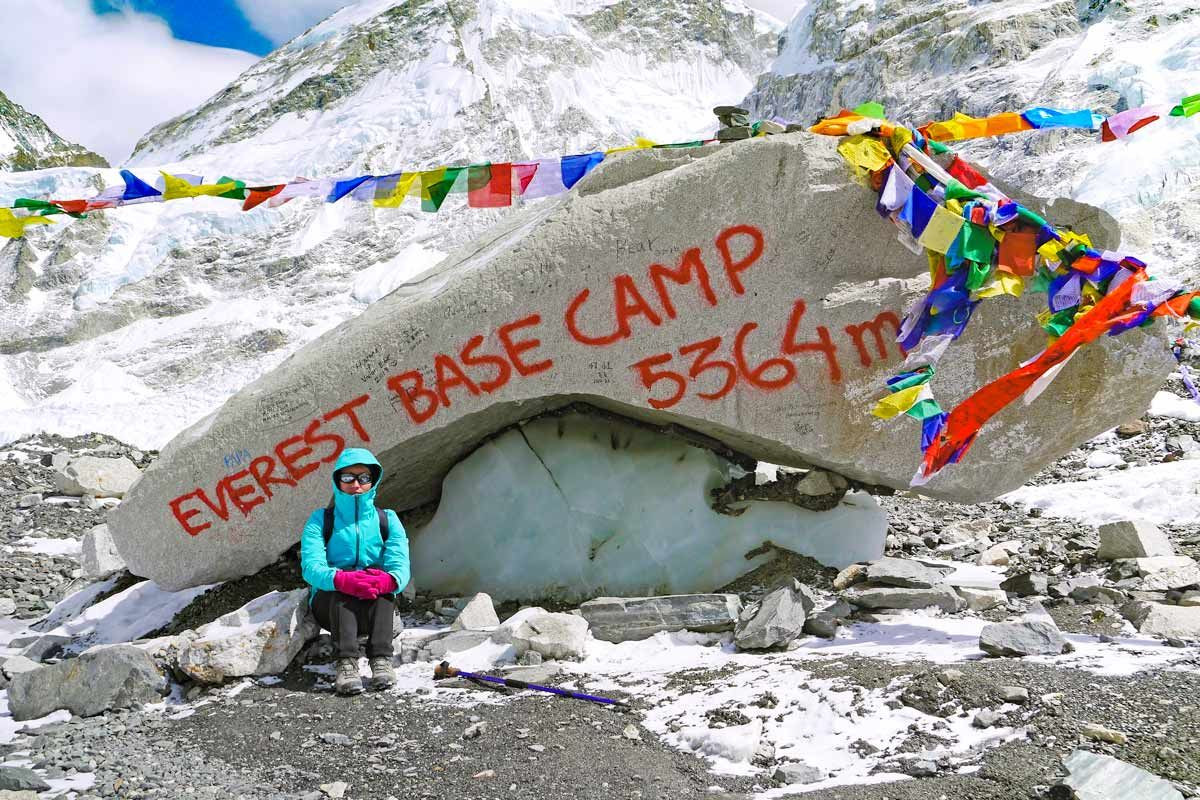
1. Everest Base Camp(EBC)
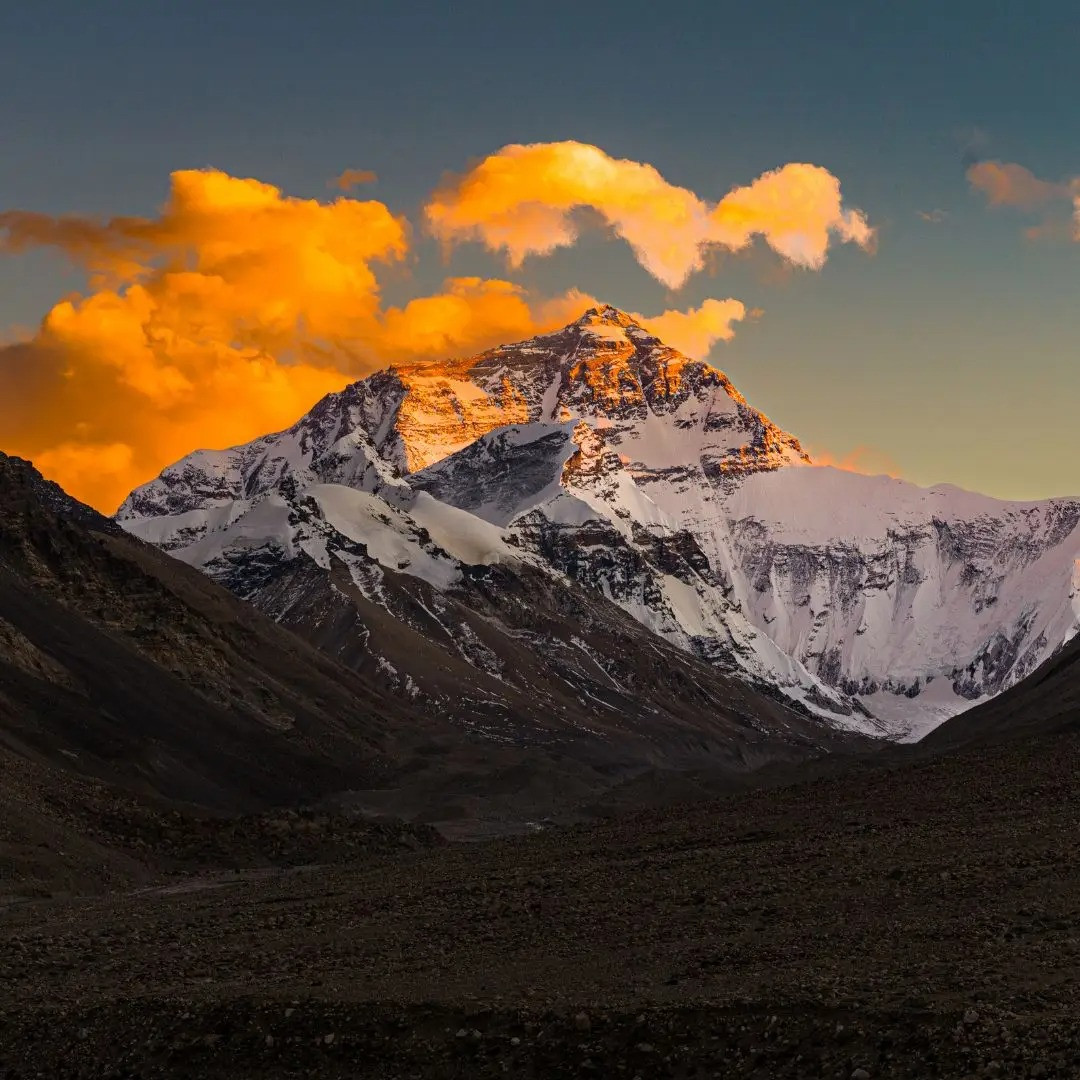
The Everest Base Camp (EBC) trek is every mountain lover's dream come true. Standing at 5,364m at base camp (or pushing up to Kala Patthar at 5,550m), you'll witness sunrise painting the world's tallest peak in golden light. It's tough, no doubt, but sharing tea with Sherpa families and walking the same paths as legendary climbers makes every challenging step worth it.
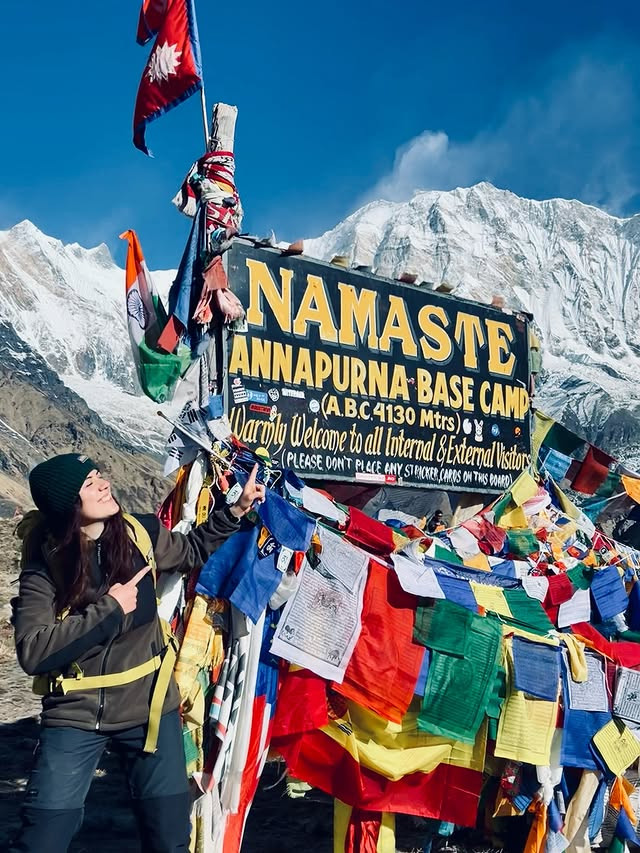
2. Annapurna Base Camp(ABC)
Getting up close and personal with giants, the Annapurna Base Camp (ABC) trek brings you to 4,130m in a natural mountain amphitheater. You'll sleep surrounded by towering peaks on all sides, feeling wonderfully small beneath these ancient titans. The trail through traditional villages makes it feel like stepping into a living postcard.
3. Annapurna Circuit
The Annapurna Circuit is like taking a grand tour of the Himalayas in one epic adventure. Crossing Thorong La Pass at 5,416m feels like conquering the world, and you'll be amazed how the scenery transforms from tropical jungle to moonlike desert landscapes. It's a complete Himalayan experience rolled into one unforgettable journey.
4. Langtang Valley
Perfect for newcomers to high-altitude trekking, Langtang Valley leads you to Kyanjin Ri at 4,984m without the intimidating challenges of other routes. You'll fall in love with the friendly Tamang people, wander through fairy-tale rhododendron forests, and enjoy peaceful moments watching yaks graze with snow peaks as your backdrop.
5. Manaslu Circuit
Manaslu Circuit delivers raw mountain magic at Larkya La Pass (5,106m). This hidden circuit around the world's eighth-highest peak offers the kind of untouched beauty and cultural encounters that most trekkers only dream about. It's like having the Himalayas almost to yourself.
6. Upper Mustang
At Lo Manthang (3,840m), you'll explore a forbidden kingdom where ancient Tibetan culture thrives unchanged. The desert landscapes and mysterious caves make you feel like an explorer discovering lost civilizations. If you move further from Upper Mustang, you will reach Korala is the border pass between Nepal and the Tibetan Autonomous Region of China.
7. Ghorepani Poon Hill
At just 3,210m, you'll catch breathtaking sunrise views over Annapurna and Dhaulagiri in Ghorepani Poon Hill, and if you visit in spring, you'll trek through hillsides exploding with colorful rhododendron blooms that look almost too beautiful to be real.
8. Mardi Himal
The Mardi Himal trek is Nepal's best-kept secret, taking you to High Camp at 4,500m for incredibly intimate views of Machapuchare (Fishtail Mountain). It's peaceful compared to busier trails, perfect for photographers seeking that perfect shot and nature lovers wanting quiet forest moments.
9. Gokyo Lakes
Gokyo Lakes create some of the most Instagram-worthy moments. The climb to Gokyo Ri at 5,357m rewards you with what many consider the Everest region's best panoramic views, including four of the world's tallest mountains spread out before you.
10. Kanchanjunga Base Camp
For the ultimate mountain challenge, Kanchenjunga Base Camp takes experienced trekkers to the North Base Camp at 5,143m beneath the world's third-highest peak. This remote expedition offers true wilderness encounters with rare wildlife and the kind of mountain solitude that's becoming increasingly precious in our connected world
|
Trek |
Region |
Duration |
Difficulty |
Highlight |
|
Everest Base Camp (EBC) |
Everest |
12–14 days |
Moderate-High |
Kala Patthar, Sherpa culture |
|
Annapurna Base Camp (ABC) |
Annapurna |
8–11 days |
Moderate |
Annapurna I close-up views |
|
Annapurna Circuit |
Annapurna |
14–18 days |
Moderate-High |
Thorong La Pass, diverse scenery |
|
Langtang Valley |
Langtang |
6–9 days |
Beginner |
Glaciers, yak pastures |
|
Manaslu Circuit |
Manaslu |
14–17 days |
High |
Remote, raw mountain beauty |
|
Upper Mustang |
Mustang |
10–14 days |
Moderate |
Tibetan culture, desert landscapes |
|
Ghorepani Poon Hill |
Annapurna |
4–6 days |
Easy |
Sunrise views, rhododendron forests |
|
Mardi Himal |
Annapurna |
5–7 days |
Easy-Moderate |
Hidden trail, Machapuchare view |
|
Gokyo Lakes |
Everest |
12–14 days |
Moderate-High |
Glacial lakes, Gokyo Ri |
|
Kanchenjunga Base Camp |
Eastern Nepal |
20–24 days |
Advanced |
Remote trekking, untouched nature |
How Difficult Are These Treks and How Long Do They Take?
While some trails are enjoyable introductions to the world of mountain trekking, others are exhilarating trials for the adventurous.
Levels of Difficulty:
Beginner: Ghorepani Hill Poon, The Langtang Valley
Moderate: Base Camp Annapurna
The Moderate-High: Mardi Himal, Base Camp on Everest, Lakes of Gokyo
Advanced: Annapurna Circuit, Manaslu Circuit, Base Camp Kanchenjunga
Duration Overview:
|
Trek Type |
Days Needed |
|
Short |
4–7 |
|
Medium |
8–14 |
|
Long |
15–24 |
No matter your experience or time frame, there’s a Himalayan trek waiting to spark your sense of wonder. Let us help you find the path that fits your dream adventure begins the moment you decide to go. Contact Himalaya Trekking Nepal
When Is the Best Time to Do These Treks in Nepal?
Choosing the best season for your Himalayan adventure transforms a great trek into an unforgettable one. Let’s help you find the moment when Nepal’s legendary trails are ready to give you their very best.
|
Season |
Months |
Weather |
Best For |
|
Spring |
March–May |
Warm days, blooming flowers |
Annapurna, Manaslu, Mardi |
|
Monsoon |
June–August |
Rainy, leeches, limited visibility |
Upper Mustang(rain-shadow) |
|
Autumn |
September– November |
Clear skies, excellent visibility |
All treks, especially Everest |
|
Winter |
December– February |
Cold, snow in high passes |
Poon Hill, Langtang (lower altitude) |
Which Trek Offers the Most Breathtaking Himalayan Views in Nepal?
These climbs provide Himalayan views that should definitely be on your bucket list, whether you're looking up at the majestic Everest, seeing the golden glow on Machapuchare, or taking in a sea of snow-capped mountains from a windswept ridge.
|
Trek |
Mountain Highlights |
|
Everest Base Camp |
Everest, Lhotse, Ama Dablam |
|
Gokyo Lakes |
Cho Oyu, Everest (from Gokyo Ri) |
|
Annapurna Base Camp |
Annapurna I, Machapuchare |
|
Mardi Himal |
Close-up of Machapuchare |
|
Manaslu Circuit |
Mt. Manaslu, Larke Pass panoramic views |
|
Kanchenjunga |
Kanchenjunga massif (3rd highest in the world) |
What Unique Cultural Experiences Do The Treks Offer in Nepal?
You'll be able to observe lively festivals, spin prayer wheels in historic monasteries, have tea with locals, and discover how isolated highland cultures flourish in striking environments as you follow the trails.
-
Everest Region: Deep-rooted Sherpa traditions, Tengboche Monastery
-
Mustang: Tibetan-influenced culture, ancient caves, Lo Manthang
-
Manaslu & Langtang: Tibetan-Buddhist villages and festivals
-
Annapurna Region: Gurung and Magar communities, local tea culture
-
Kanchenjunga: Indigenous Limbu and Rai ethnic encounters
Cultural interaction makes each trek more than just a physical journey, it becomes an emotional and spiritual experience.
What Permits and Guides Are Required for Treks in Nepal?
No, not all treks in Nepal need the use of TIMS (Trekkers' Information Management System). Previously required for all trekking areas, it is now only required for specific routes due to recent changes. For instance, it is required for some hikes in the Annapurna, Everest, Manaslu and Langtang regions, but not for others. You only require a National Park or Conservation Area permit for other locations. Given the recent changes, a visitor guide is essential.
Let’s break down what you’ll need for each of the major treks:
Trekking Permits and Guide Requirements (2026)
|
Trek |
Permits |
Guide Needed? (as of 2026) |
|
Everest Base Camp |
Sagarmatha NP + Khumbu Entry |
Yes |
|
Annapurna Circuit/ABC |
ACAP (Annapurna Conservation Area Permit) |
Yes |
|
Langtang Valley |
Langtang NP Permit |
Yes |
|
Manaslu Circuit |
Manaslu + ACAP + Restricted Area Permit |
Yes (mandatory) |
|
Upper Mustang |
ACAP + Restricted Area Permit |
Yes (mandatory) |
|
Kanchenjunga |
Kanchenjunga Conservation + Restricted Permit |
Yes (mandatory) |
Let us handle all permits for you zero paperwork, 100% peace of mind. Book your Nepal Treks with Himalaya Trekking Nepal
What Are the Accommodation and Food Options on These Treks?
A Himalayan trek isn’t just about mountains, it’s also about the cozy teahouses, simple camp nights, and comforting meals that fuel your journey. Here’s what you can expect for both lodging and eating along Nepal’s classic trekking routes:
-
Teahouses (Most Treks): Basic rooms, shared bathrooms, warm dining halls
-
Camping (Remote Treks): Used in Kanchenjunga and Upper Mustang in certain areas
-
Food: Dal Bhat, noodles, soups, pancakes, tea, and occasionally fresh apple pie!
Tip: Bring reusable water bottles and water-purifying tablets.
What Should You Pack for Treks in Nepal's Himalayas?
Bringing the right gear is essential for a comfortable and enjoyable walk in Nepal's Himalayas. Because of the basic facilities and the unpredictable weather, a little preparation goes a long way.
Here is a practical, trail-friendly packing list to help you get ready:
-
Layered clothing (for varying temperatures)
-
Waterproof hiking boots
-
Down jacket and sleeping bag (for colder treks)
-
Headlamp, power bank, first-aid kit
-
Lightweight backpack and rain cover
-
Local SIM + solar charger (optional but handy)
Want a complete checklist? Check our Packing Lists Guide.
Which Trek Is Best Suited for Beginners in Nepal? Which One for Experienced Trekkers?
Finding the right trek in Nepal is all about matching your spirit with the adventure that awaits. Whether you’re seeking a gentle first step into the Himalayas or you’re drawn to more demanding, off-the-beaten-path journeys, there’s a trail perfectly suited to your pace, experience, and boldness.
Best for Beginners:
Best for Experienced Trekkers:
-
Kanchenjunga Base Camp
-
Annapurna Circuit (with Thorong La Pass)
Looking for a challenge but not sure? Start with ABC or EBC and level up from there.
How Can You Stay Safe While Trekking in Nepal?
When trekking, safety should always come first. Because of the high elevations and quickly shifting weather, you must exercise caution and readiness. You can confidently and peacefully enjoy your journey if you plan ahead. Here are some useful pointers to help you stay focused and safe when hiking.
-
Acclimatize: Take rest days, hydrate often
-
Watch Weather Reports: Don’t cross passes during storms
-
Know the Signs of AMS: Headache, nausea, breathlessness
-
Carry a First Aid Kit
-
Travel with a Registered Guide: Always safer
We provide trained guides for every trek who prioritize your safety. Contact Himalaya Trekking Nepal now.
Final Thoughts
Nepal is more than just a trekking destination, it’s a transformative experience. With majestic peaks, rich traditions, and trails for every skill level, you’ll find a route that challenges, humbles, and rewards you.
Ready to plan your dream trek? Choose your route. Pick your dates
Let us handle the rest
Frequently Asked Questions (FAQs)
Which trek is the best for first-time trekkers in Nepal?
Ghorepani Poon Hill or Langtang Valley is the best for first-time trekkers. They are short, scenic, and beginner-friendly.
Can I trek without a guide in Nepal?
Before 2024, you could trek without a guide, but as of 2025, you can’t trek without a guide. Most popular treks require a licensed guide for safety and regulations.
How do I reach the trek’s starting point in Nepal?
You can reach the trek’s starting point from Kathmandu or Pokhara. They are accessible by bus or flight.
Are these treks of Nepal suitable for families?
Yes! Shorter treks like Poon Hill and Mardi Himal are family-friendly. Depending on the pace, they can last 5-7 days.
More About Author

Khilak Budhathoki
Travel Director
Khilak Budhathoki is the co-founder and lead trekking guide at Himalaya Trekking Nepal, a locally owned and operated adventure company based in Kathmandu. Born and raised in the foothills of Nepal, Khilak developed a deep love for the mountains from an early age. With over a deca...
USD$1500 pp
Our Recommendation

USD$850 pp
Our Recommendation

USD$1,600 pp
Our Recommendation
Related Blogs

Jul 06, 2026
How to Train for the Everest Base Camp Trek
