- 14, Nov 2025 | Khilak Budhathoki
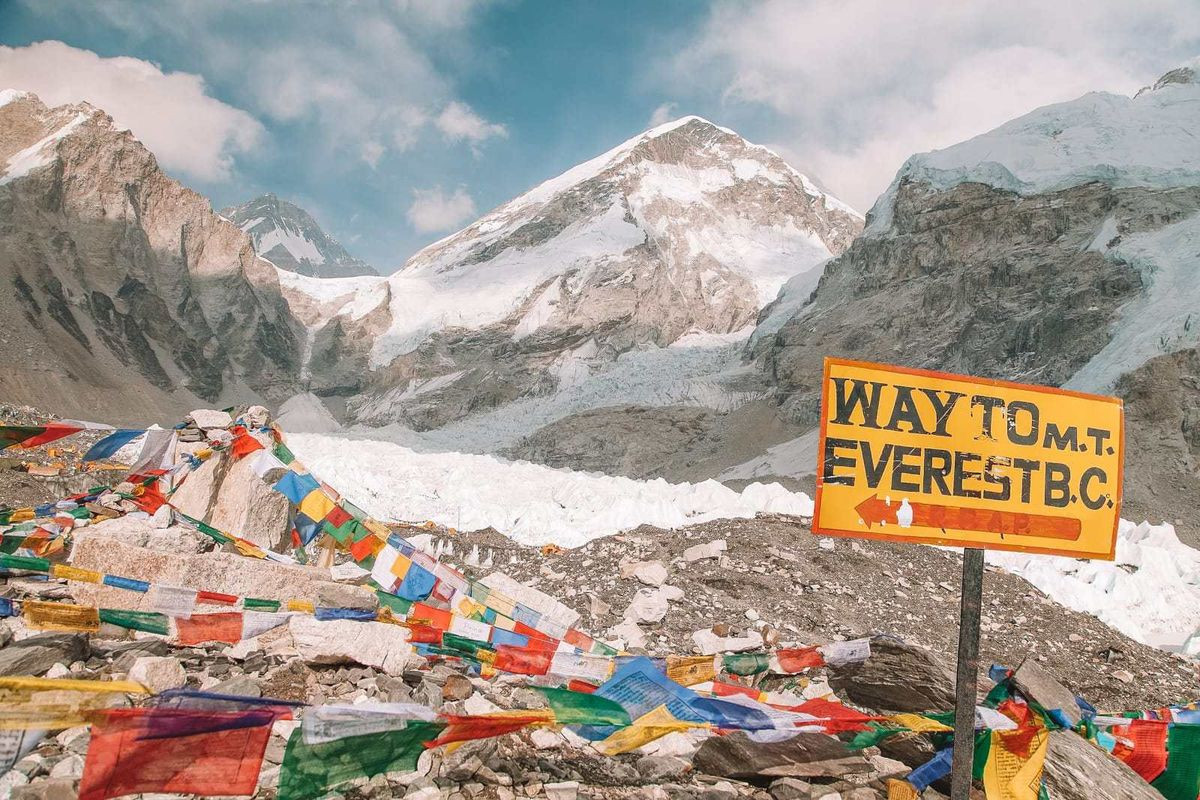
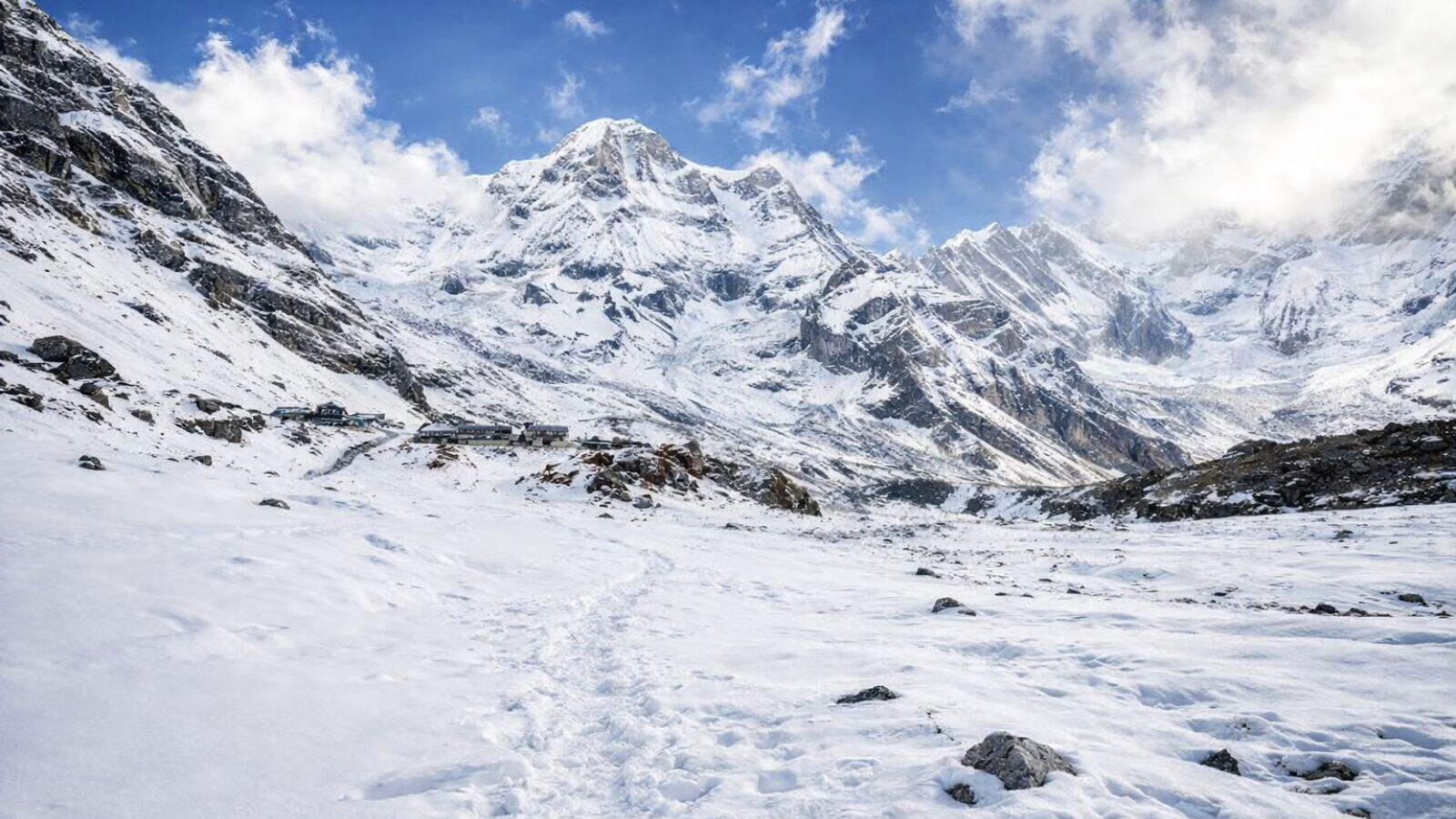
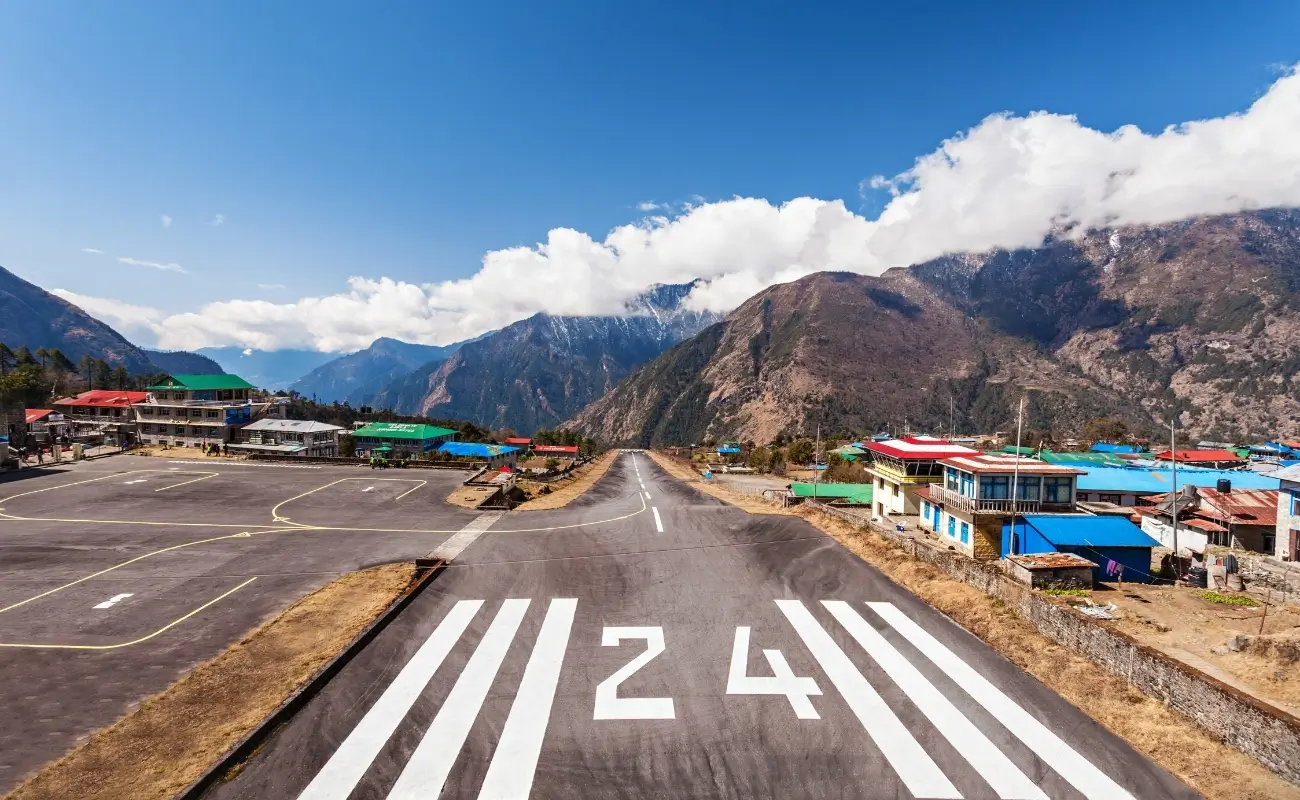
The Lukla to Everest Base Camp trek is a high-altitude Himalayan trekking route that connects Lukla with Everest Base Camp through the villages, valleys, monasteries, and mountain landscapes of Nepal’s Khumbu region. The journey begins at Tenzing-Hillary Airport in Lukla at 2,840m and follows the Dudh Koshi Valley through Phakding and Namche Bazaar before continuing to Tengboche, Dingboche, Lobuche, Gorak Shep, and Everest Base Camp at 5,364m. Along the way, trekkers encounter Sherpa settlements, Buddhist monasteries, suspension bridges, Sagarmatha National Park, the Khumbu Glacier, and close views of Everest, Lhotse, Nuptse, Ama Dablam, and Pumori. Kala Patthar at 5,644m provides the highest point and one of the most expansive viewpoints of Mount Everest without technical climbing.
Successful completion of the Lukla to Everest Base Camp trek depends on more than physical fitness. Altitude acclimatisation, gradual elevation gain, weather, trekking season, daily walking distances, hydration, appropriate clothing and equipment, permits, Lukla flight reliability, and emergency planning all influence the experience above 3,000m. The standard 12-to-14-day itinerary incorporates acclimatisation in Namche Bazaar and Dingboche before the route reaches the highest settlements and glacier terrain near Everest Base Camp. This 2026 guide brings these elements together with the complete itinerary, best time to trek, difficulty and fitness requirements, altitude-sickness precautions, permit information, packing essentials, accommodation, trekking costs, Lukla flight considerations, and guidance for choosing a professional trekking service.
What Makes the Lukla to Everest Base Camp Trek So Popular?
The Lukla to EBC trek is the most accessible high-altitude Himalayan trek in the world. It requires no technical climbing, starts with a short flight to Lukla, and follows a well-developed trail with teahouses every 2 to 3 hours. More than 50,000 trekkers attempt the route each year, drawn by close views of 4 of the world's 14 eight-thousanders (Everest, Lhotse, Makalu, and Cho Oyu).
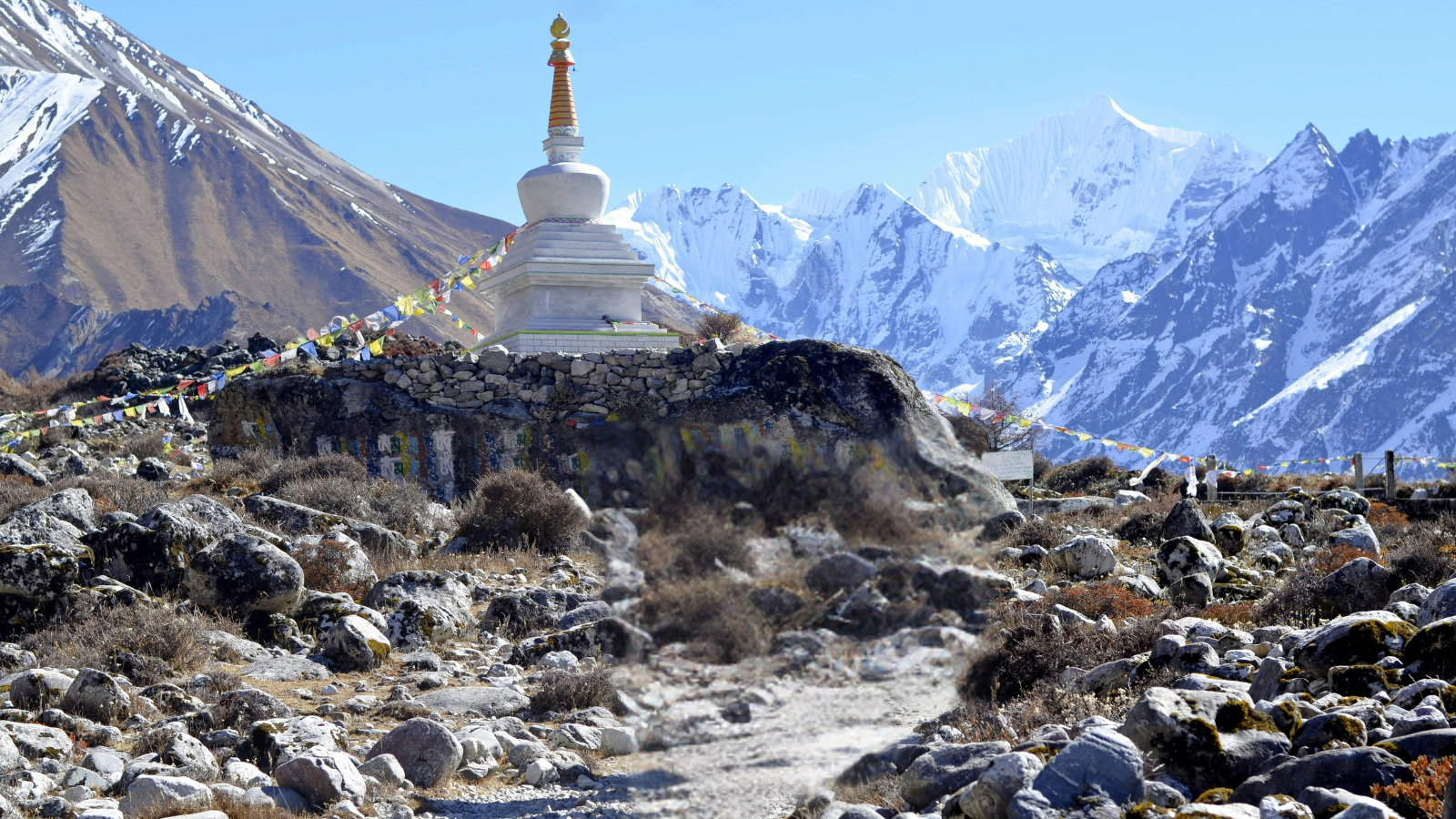
Three factors separate this trek from competitors. First, the Tenzing-Hillary Airport in Lukla sits at 2,840m, which means trekkers begin at altitude rather than gaining elevation from Kathmandu. Second, the Sagarmatha National Park corridor protects the route, ensuring permanent trail infrastructure and regulated camping. Third, the cultural density of the Khumbu region, Sherpa villages, Buddhist monasteries, chortens, and mani walls, delivers a cultural experience that extends far beyond mountain scenery.
What most trekking guides omit: the Khumbu Icefall, visible from Base Camp, is one of the most dynamic glacier features on the planet. The icefall moves approximately 1 metre per day during peak season, making every visit to Base Camp visually unique.
When Is the Best Time to Trek from Lukla to Everest Base Camp?
The 2 optimal trekking windows are spring (March–May) and autumn (October–November). April and October are the highest-quality months. Spring delivers rhododendron blooms below 4,000m and stable morning skies. Autumn provides the clearest mountain visibility of the year following the monsoon washout of dust and haze.
The table below shows conditions across all 4 seasons:
|
Season |
Months |
Visibility |
Trail Crowds |
Temperature (EBC) |
|
Spring |
March–May |
Excellent |
High |
-10°C to -20°C nights |
|
Monsoon |
June–August |
Poor |
Very Low |
-5°C to -15°C nights |
|
Autumn |
September–November |
Best |
Peak |
-15°C to -25°C nights |
|
Winter |
December–February |
Good |
Very Low |
-25°C to -35°C nights |
One decision most trekkers overlook: April departures avoid Everest climbing season crowds that peak in late April and May. October departures between the 1st and 20th hit the best visibility window before the jet stream descends in late November.
How Long Does the Lukla to Everest Base Camp Trek Take?
The standard trek from Lukla to Everest Base Camp takes 12 to 14 days, including 2 mandatory acclimatisation days. The full round trip, Lukla to EBC and back to Lukla, covers 130km. Daily walking averages 5 to 7 hours at moderate Himalayan terrain pace.
Experienced trekkers with prior high-altitude exposure complete the route in 10 days. Trekkers attempting their first high-altitude journey at or above 5,000m benefit from a 14-day schedule, which adds 1 extra acclimatisation day in Dingboche.
The descent from EBC to Lukla takes 3 to 4 days, significantly faster than the ascent due to decreasing altitude.
What Is the Typical Lukla to Everest Base Camp Itinerary?
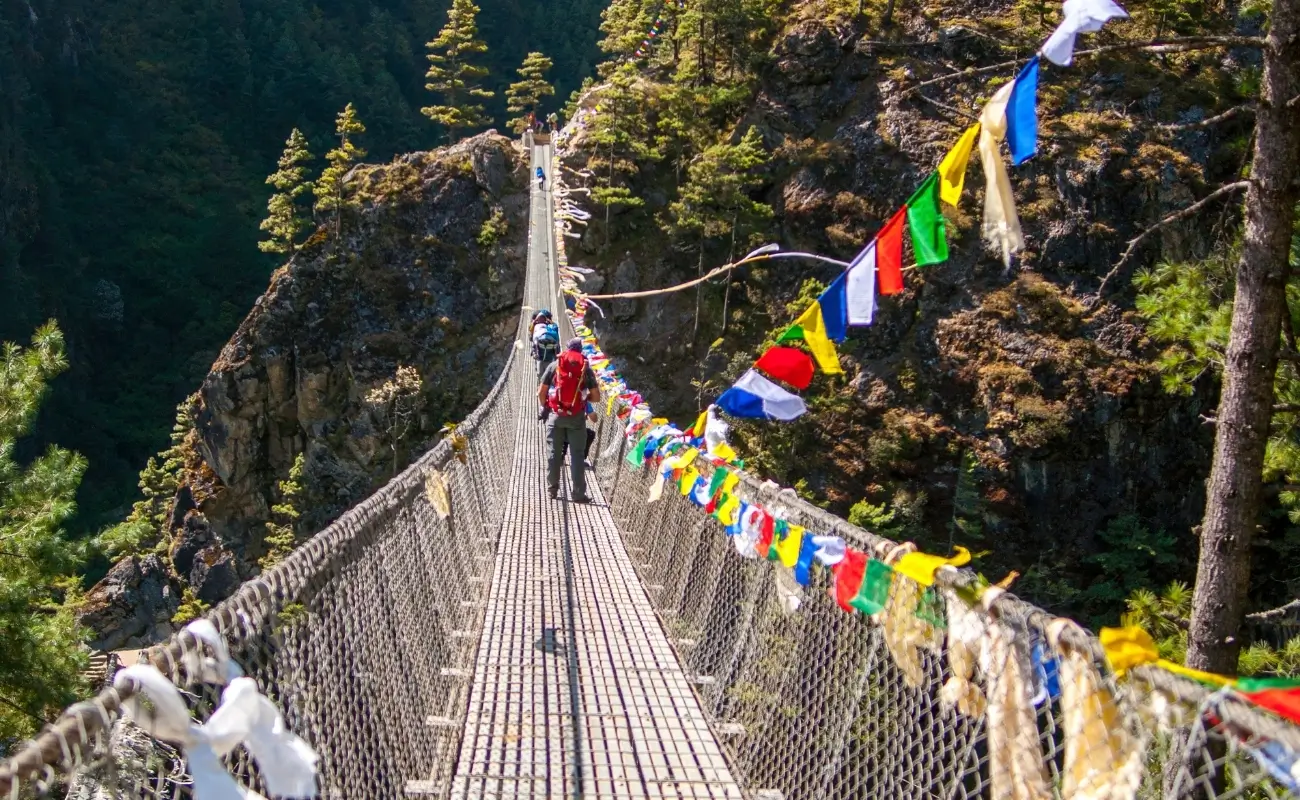
The standard 12-day itinerary follows 8 progressive stages. While the critical stages above 3,000m strictly aim to limit net daily elevation gain to roughly 300–500m to reduce the risk of Acute Mountain Sickness (AMS), the lower-altitude stage to Namche Bazaar is an exception, gaining 788m. The route passes through Phakding, Namche Bazaar, Tengboche, Dingboche, Lobuche, and Gorak Shep before reaching Base Camp.
The itinerary structure below reflects best-practice acclimatisation protocols, not generic travel schedules:
|
Day |
Stage |
Altitude |
|
1 |
Lukla → Phakding |
2,840m → 2,652m |
|
2 |
Phakding → Namche Bazaar |
2,652m → 3,440m |
|
3 |
Acclimatisation – Namche Bazaar |
3,440m |
|
4 |
Namche → Tengboche |
3,440m → 3,867m |
|
5 |
Tengboche → Dingboche |
3,867m → 4,410m |
|
6 |
Acclimatisation – Dingboche |
4,410m |
|
7 |
Dingboche → Lobuche |
4,410m → 4,940m |
|
8 |
Lobuche → Gorak Shep → EBC |
4,940m → 5,364m |
|
9 |
Gorak Shep → Kala Patthar → Pheriche |
5,644m → 4,240m |
|
10 |
Pheriche → Namche Bazaar |
4,240m → 3,440m |
|
11 |
Namche → Lukla |
3,440m → 2,840m |
|
12 |
Fly Lukla → Kathmandu |
– |
What Happens on the Lukla to Phakding Trek?
The Lukla to Phakding stage descends 188m over 8.5km and takes 3 to 4 hours. This is the only stage on the entire route that loses net elevation. Trekkers pass through Chaurikharka village, cross the Dudh Koshi River on 3 suspension bridges, and arrive in Phakding at 2,652m.
The descent on Day 1 is a deliberate physiological advantage. Sleeping lower than your arrival point on the first night reduces early-onset AMS symptoms. Phakding's lower altitude compared to Lukla gives the body one additional night at a safer acclimatisation threshold.
One practical note: the 3 suspension bridges between Lukla and Phakding carry both trekkers and yak trains simultaneously. Yaks have right-of-way on all Khumbu trails. Stand uphill of the trail, never between the yak and the cliff edge, when a yak train approaches.
What Can You Expect on the Phakding to Namche Bazaar Trek?
The Phakding to Namche Bazaar stage covers 11km, ascends 788m, and takes 5 to 6 hours. This stage includes the Hillary Suspension Bridge at 3,420m, one of the highest suspension bridges in the world at 450 metres in length. The trail enters Sagarmatha National Park at Monjo, where park entry permits are checked.
The final 2km before Namche is the most demanding climb of the early trek: a steep 600m ascent through rhododendron forest, often slippery in early morning. Trekkers frequently underestimate this section and push too fast, arriving in Namche dehydrated. Drinking 3 to 4 litres of water during this stage prevents early altitude symptoms.
The first view of Everest on this route appears through a clearing in the forest canopy, approximately 45 minutes before reaching Namche. At 3,440m, Namche Bazaar is the largest settlement in the Khumbu and functions as the commercial hub of the region.
How Do You Acclimatise in Namche Bazaar?
Acclimatisation in Namche Bazaar involves a rest day with a 300m altitude hike to 3,720m, followed by return to sleep at 3,440m. This "climb high, sleep low" strategy accelerates red blood cell production and increases blood oxygen saturation (SpO2) by 3 to 5 percentage points within 24 hours.
3 recommended acclimatisation hikes from Namche:
-
Everest View Hotel hike (3,880m): 2-hour return, best sunrise Everest panorama
-
Syangboche Airstrip (3,748m): 1.5-hour return, helicopter landing strip views
-
Namche Monastery and Museum: cultural acclimatisation at town level
Namche is also the last location with reliable ATMs, high-speed WiFi, proper bakeries, and hot showers before Base Camp. Stock extra cash here, ATMs above Namche are unreliable or non-existent.
What Is the Trek from Namche Bazaar to Tengboche Like?
The Namche to Tengboche stage covers 10km, gains 427m net elevation, and takes 5 to 6 hours. The trail descends to the Dudh Koshi River at 3,250m before climbing steadily to Tengboche at 3,867m. This undulating profile is physically demanding despite moderate elevation gain.
Tengboche Monastery, founded in 1923, is the largest gompa in the Khumbu and sits directly on the trail. The monastery frames a direct view of Ama Dablam (6,812m), widely photographed as the most striking mountain face in the Himalayas. Entry is free; donations are welcomed.
The temperature at Tengboche drops significantly after sunset. By 3,867m, nighttime temperatures reach -5°C to -10°C even in October. Down jackets are essential from Tengboche onwards, not from higher camps.
How Do You Trek from Tengboche to Dingboche?
The Tengboche to Dingboche stage covers 11km, climbs 543m, and takes 5 to 6 hours. The trail passes through Pangboche village (3,930m), the highest permanent settlement in the Khumbu with a functioning primary school. After Pangboche, the trail enters the Imja Valley and follows the Imja Khola River to Dingboche at 4,410m.
At 4,410m, Dingboche sits above the tree line entirely. Vegetation transitions from juniper scrub to alpine grass. The Imja Tsho (glacial lake) is visible at 5,010m to the south, a lake that has grown 7 times in size since 1962 due to glacial melt.
Wind becomes a consistent factor above 4,000m. Trekkers who pack only hardshell rain jackets face dangerous windchill exposure at Dingboche and above. A down jacket and a separate windproof layer are the correct layering strategy.
How Does Acclimatisation Work in Dingboche?
Acclimatisation in Dingboche follows the same climb-high-sleep-low protocol: ascend to 5,100m at Nangkartshang Peak, then descend to sleep at 4,410m. The extra day here is non-negotiable above 4,000m, where AMS risk rises sharply without rest.
2 acclimatisation hike options from Dingboche:
-
Nangkartshang Peak (5,100m): 4-hour return, views of Makalu, Lhotse, and Ama Dablam
-
Chhukung village and ridge (4,730m): 3-hour return, views of Island Peak and Imja Glacier
Blood oxygen saturation measured by pulse oximeter typically reads 80–88% SpO2 at Dingboche for most trekkers. Readings below 75% with symptoms (headache, nausea, loss of coordination) warrant descending immediately. Readings above 88% without symptoms indicate strong acclimatisation.
What Should You Expect on the Dingboche to Lobuche Trek?
The Dingboche to Lobuche stage covers 10km, ascends 530m, and takes 5 to 6 hours. The trail climbs steeply from Dingboche to the lateral moraine of the Khumbu Glacier before following the moraine ridge to Lobuche at 4,940m. This is one of the most exposed stages on the route, with no tree cover and consistent wind from the west.
The Thukla Pass (4,620m) memorial field is a critical waypoint. Approximately 60 stone memorials mark the site where Sherpa and international climbers who died on Everest are commemorated. The memorials include tributes to Scott Fischer, Rob Hall, and Anatoli Boukreev, climbers lost in the 1996 Everest disaster.
Lobuche teahouses are simpler than those below Namche. Rooms are basic, heaters are shared in the dining hall only, and water is boiled (not filtered). Carry a personal water purification system from Lobuche onwards.
How Do You Reach Everest Base Camp from Lobuche?
The Lobuche to Everest Base Camp stage covers 14km, ascends 424m, and takes 7 to 8 hours including the Base Camp visit. The route goes Lobuche → Gorak Shep (5,164m) → Everest Base Camp (5,364m). Trekkers drop packs at Gorak Shep teahouses, then complete the 3.5km trail to Base Camp and return.
Gorak Shep at 5,164m is a high-altitude seasonal settlement used primarily by trekkers, as extreme winter conditions prevent permanent, year-round habitation. The 3.5km trail from Gorak Shep to EBC traverses the lateral moraine of the Khumbu Glacier. The terrain is rocky, uneven, and marked with glacier-blue ice seracs. There is no maintained path, trekkers navigate by cairns and footfall channels.
Base Camp itself is not the mountain viewpoint many expect. The camp sits on the glacier, surrounded by moraines, with only a partial view of the Khumbu Icefall above. The panoramic views come from Kala Patthar on Day 9, not from Base Camp.
How Do You Trek from Everest Base Camp to Gorak Shep?
The return from Everest Base Camp to Gorak Shep covers 3.5km and takes 1.5 to 2 hours. Trekkers retrace the moraine trail on the return. Most guided groups return to Gorak Shep by 3 PM to avoid afternoon cloud build-up and potential snowfall above 5,000m.
Afternoon snowfall above 5,000m is common between October and November. The trail from EBC to Gorak Shep becomes significantly more challenging in wet or icy conditions. Starting the EBC hike from Gorak Shep no later than 8 AM ensures a clear weather window for the entire excursion.
What Is the Route from Gorak Shep to Kala Patthar and Back?
Kala Patthar (5,644m) sits 480m above Gorak Shep and takes 2.5 to 3 hours to summit from the teahouses. The name translates to "Black Rock" in Nepali. The summit delivers the most unobstructed panoramic view of Everest's South Face available without technical climbing, a 270-degree vista including Everest (8,849m), Lhotse (8,516m), Nuptse (7,861m), and Pumori (7,161m).
Most trekkers depart Gorak Shep at 4:30 AM to reach Kala Patthar by sunrise (approximately 6:15 AM). This timing captures Everest's summit illuminated by alpenglow, a phenomenon where the peak turns gold before the surrounding landscape receives direct sunlight. Afternoon attempts on Kala Patthar face cloud cover that obscures Everest by noon on most days.
The descent from Kala Patthar to Gorak Shep takes 1.5 hours. From Gorak Shep, most itineraries descend directly to Pheriche (4,240m) or Dingboche, dropping 924m of elevation in a single afternoon to accelerate acclimatisation reversal.
What Is the Lukla to Everest Base Camp Trek Difficulty?
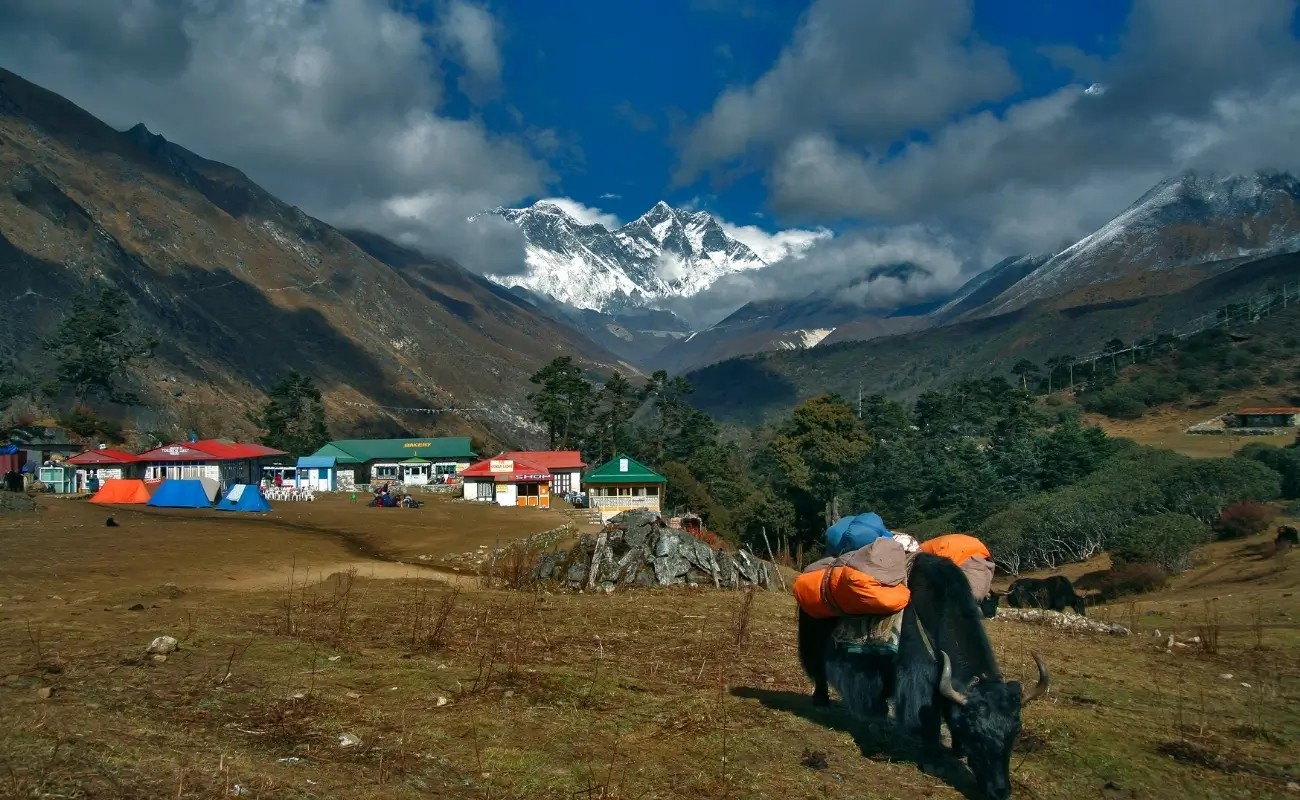
The Lukla to Everest Base Camp trek is rated moderate to challenging, classified by most trekking organisations as a Grade 4 out of 5 on Himalayan trekking difficulty scales. The challenge comes from sustained altitude (not terrain), with 7 consecutive nights above 4,000m between Dingboche and Gorak Shep.
How Much Elevation Gain Does the Trek Involve?
The total elevation gain from Lukla to Everest Base Camp is 2,524m (from 2,840m to 5,364m). Including daily ascents and descents across the 12-day route, the cumulative elevation gain is approximately 8,300m. The cumulative descent is approximately 6,600m. The highest point reached is Kala Patthar at 5,644m.
What Fitness Level Do You Need for Everest Base Camp?
Trekkers require a baseline aerobic fitness level equivalent to hiking 6 to 8 hours continuously on hilly terrain before attempting EBC. Building that capacity from scratch takes structured preparation; a full 8- to 12-week EBC training plan covers cardio progression, strength work, and gear testing in detail. The pre-trek training standard recommended by expedition medicine practitioners is: 3 cardiovascular sessions weekly at 60–70% maximum heart rate for 8 consecutive weeks, combined with 2 strength sessions targeting quadriceps and glutes. 4 fitness benchmarks that signal EBC readiness:
-
Completing a 20km day hike with 800m elevation gain without excessive fatigue
-
Sustaining 60 minutes of zone 2 cardio (conversational pace) without stopping
-
Recovering fully within 24 hours after a strenuous hiking day
-
Carrying a 10kg pack for 6 hours without knee or hip pain
What Are the Main Challenges on the Everest Base Camp Trek?
The 4 primary challenges on the EBC trek are altitude sickness, cold exposure, trail fatigue, and flight delay disruptions at Lukla. Altitude sickness (AMS) affects approximately 30–40% of trekkers above 3,500m to some degree. Cold exposure at Gorak Shep reaches -25°C at night in November. Cumulative trail fatigue from carrying a pack for 7+ hours daily builds across the 12-day route.
Lukla airport flight cancellations are underreported in trekking guides. The Tenzing-Hillary Airport operates under strict visibility conditions, and delays of 1 to 3 days are common in both spring and autumn seasons. A 3-day buffer at the end of any itinerary is the standard precaution for trekkers with time-sensitive return flights from Kathmandu.
What Permits Do You Need for the Lukla to Everest Base Camp Trek?
Every trekker on the Lukla to EBC route requires 2 permits: the Sagarmatha National Park Entry Permit and the Khumbu Pasang Lhamu Rural Municipality Permit. Both permits are checked at multiple checkpoints on the trail. Trekking without both permits results in fines and mandatory trail exit.
Where Do You Get the Sagarmatha National Park Permit?
The Sagarmatha National Park Entry Permit costs USD 30 per person and is issued at the Nepal Tourism Board office in Kathmandu (Bhrikutimandap) or at the Monjo checkpoint on the trail. The permit covers the entire Sagarmatha National Park zone, which encompasses the entire Khumbu trekking corridor from Monjo to Everest Base Camp.
Required documents: passport copy, 1 passport-size photo, and payment. Processing time is 15 minutes at the Kathmandu office. While physical permits are issued on the trail, online issuance for the Sagarmatha National Park Entry Permit is actively available through the official Nepal Department of National Parks and Wildlife Conservation (DNPWC) portal.
What Is the Khumbu Pasang Lhamu Rural Municipality Permit?
The Khumbu Pasang Lhamu Rural Municipality Permit costs USD 20 per person and replaces the TIMS (Trekkers' Information Management System) card for the Khumbu region. The Khumbu Pasang Lhamu Rural Municipality Permit cannot be obtained in Kathmandu; it is exclusively issued at the Lukla checkpoint immediately after landing or at the Monjo checkpoint.
The permit requirement was introduced by the Khumbu Pasang Lhamu Rural Municipality in 2022 to channel trekking revenue directly to local village governments. The funds support school infrastructure, trail maintenance, and waste management across 9 Khumbu villages. For the current EBC trek permit costs and checkpoint details, review the full permit breakdown before departure.
What Should You Pack for the Lukla to Everest Base Camp Trek?
The Lukla to EBC packing list divides into 3 categories: clothing and footwear, trekking equipment, and personal health essentials. For the complete category-by-category rundown, see our Everest Base Camp packing list. Total pack weight for a 12-day trek carried independently is 10 to 12kg.
What Clothing and Footwear Are Essential?
The 8 essential clothing items for EBC are: waterproof trekking boots, moisture-wicking base layers (top and bottom), mid-layer fleece, 600-fill-power down jacket, hardshell rain jacket, convertible trekking pants, warm hat, and waterproof gloves.
Waterproof trekking boots are the single most critical gear item. Boots must be broken in for a minimum of 30 hours before the trek. Blisters from new boots above 4,000m, where medical attention is not available, are a serious trail hazard. Cotton clothing is prohibited in trekking packs above 3,500m; cotton retains moisture and accelerates hypothermia.
What Trekking Equipment Should You Bring?
The 6 essential trekking equipment items are: trekking poles (collapsible), a -15°C rated sleeping bag, a 65-litre main pack or 35-litre daypack (porter service), a headlamp with lithium batteries, a portable altitude-rated water filter, and a pulse oximeter.
Trekking poles reduce knee joint load by approximately 25% on descents, as measured by joint force studies published in the Journal of Orthopaedic & Sports Physical Therapy. At altitudes above 5,000m where knee injuries prevent descent, poles serve as both performance and safety equipment.
The pulse oximeter deserves special attention. Blood oxygen readings below 75% SpO2 at rest, combined with symptoms, indicate HACE or HAPE risk and trigger immediate descent. No amount of Diamox or rest resolves HACE or HAPE, descent is the only treatment.
What Personal and Health Essentials Should You Pack?
The 7 personal and health essentials for EBC are: acetazolamide (Diamox) 250mg tablets, ibuprofen, oral rehydration salts, blister treatment kit, sunscreen SPF50+, lip balm with SPF, and a 1-litre insulated water bottle.
Acetazolamide (Diamox) is the gold standard AMS prophylactic. For a full breakdown of timing and side effects, see our Diamox for Everest Base Camp guide; the standard prophylactic dose is 125mg twice daily, begun 24 hours before ascending above 2,500m. Common side effects include increased urination and tingling in the fingers, both normal and expected. Trekkers allergic to sulfonamide antibiotics must not use Diamox.
UV radiation increases by approximately 5% per 300m of altitude gain. At 5,000m, UV intensity is 66% higher than at sea level. Sunscreen reapplication every 2 hours on exposed skin prevents severe sunburn, which accelerates dehydration and impairs immune response.
How Much Does the Lukla to Everest Base Camp Trek Cost?
The Lukla to Everest Base Camp trek costs between USD 1,200 and USD 4,500 depending on guide and porter services, accommodation standards, and flight costs. The 3 primary cost tiers are: independent trekking (USD 1,200–1,600), semi-guided (USD 1,800–2,500), and fully guided with agency support (USD 2,500–4,500).
What Is Usually Included in the Everest Base Camp Trek Package?
Standard EBC trek packages include: Lukla flights (round trip), teahouse accommodation (12 nights), 3 meals daily on trek, licensed guide services, 1 porter per 2 trekkers, all required permits, and Kathmandu airport transfers.
The cost of the Lukla flight from Kathmandu is approximately USD 180 to USD 220 per person each way in 2026. Helicopter evacuation insurance, essential above 4,000m, costs USD 100 to USD 150 per trekker and is separate from the trek package; that premium is small next to actual EBC emergency evacuation costs if a helicopter rescue is ever needed.
What Additional Expenses Should You Budget For Everest Base Camp Trek?
The 5 most common additional expenses beyond the package price are: hot showers (USD 2–5 per shower above Namche), WiFi and charging (USD 1–3 per hour), bottled water (USD 2–5 per litre at altitude), personal gear from Namche market, and tipping (standard: USD 15–25 per day for guide, USD 8–15 per day for porter).
Tipping is culturally expected and forms a substantial portion of guide and porter income. The Nepal Tourism Board's recommended tipping rate for licensed guides is NPR 1,500 per day (approximately USD 11). Most international trekkers tip at higher rates, USD 15 to USD 25 daily, reflecting the demanding working conditions.
How Can You Prepare for Altitude on the Everest Base Camp Trek?
Altitude preparation for EBC involves 4 evidence-based strategies: pre-trek aerobic conditioning for 8 weeks, acclimatisation layover in Kathmandu at 1,400m, adherence to the itinerary's 2 rest days, and prophylactic use of acetazolamide.
How Can You Reduce the Risk of Altitude Sickness?
Altitude sickness risk decreases with 3 physiological measures: ascending no more than 300–500m of net gain per day above 3,000m, hydrating to 3–4 litres of water daily, and never ignoring the early altitude sickness symptoms: headache, nausea, dizziness, and loss of appetite.
AMS affects roughly 40% of trekkers who reach Namche Bazaar without prior acclimatisation. The most common mistake is misidentifying AMS headaches as dehydration headaches and continuing to ascend. The Golden Rule of altitude trekking: never ascend with AMS symptoms. Descend 300 to 500m immediately if symptoms worsen after 24 hours of rest.
3 warning signs that demand immediate descent, not observation:
-
Loss of coordination or inability to walk in a straight line (HACE indicator)
-
Breathlessness at rest or persistent dry cough with pink-tinged sputum (HAPE indicator)
-
Confusion, altered consciousness, or inability to stay awake
Why Are Acclimatisation Days Important?
Acclimatisation days trigger erythropoietin (EPO) production in the kidneys, stimulating red blood cell generation to compensate for reduced oxygen availability at altitude. The body increases red blood cell volume by 10 to 20% within 3 days of sustained altitude exposure above 3,000m, measurably improving oxygen-carrying capacity.
The 2 acclimatisation days built into the standard EBC itinerary, at Namche (Day 3) and Dingboche (Day 6), are not optional rest days. They are scheduled physiological adaptations. Skipping either day increases AMS risk by an estimated 60% on the subsequent ascent stage.
Trekkers who have trekked above 4,000m within the 3 months preceding their EBC trek show measurably faster acclimatisation due to residual polycythaemia (elevated red blood cell count). Prior altitude exposure is the most reliable physiological advantage a trekker brings to the Khumbu.
How Should You Approach the Everest Base Camp Trek with Himalaya Trekking Nepal?
Himalaya Trekking Nepal provides fully licensed, Kathmandu Government-certified guide services for the Lukla to Everest Base Camp route, matching trekkers with guides who hold formal Wilderness First Responder (WFR) certifications and a minimum of 5 years of Khumbu guiding experience.
Every EBC package through Himalaya Trekking Nepal includes pre-trek altitude briefings, daily pulse oximeter monitoring above 4,000m, 24-hour emergency descent coordination, and a comprehensive permit acquisition service. Guides carry a medical kit that includes acetazolamide, dexamethasone (for HACE), and nifedipine (for HAPE), the 3 medications recommended by the International Society for Mountain Medicine for Himalayan emergencies.
Can Himalaya Trekking Nepal Help You Plan Your Lukla to Everest Base Camp Trek?
Yes, Himalaya Trekking Nepal offers customised EBC itineraries for solo trekkers, small groups, and private expeditions, with departure flexibility across all spring and autumn departure dates. Custom itinerary options include the 14-day extended acclimatisation schedule, the EBC plus Kala Patthar combination, and the EBC plus Island Peak (6,189m) climbing extension.
Planning your trek starts with a free consultation to assess your trekking background, fitness baseline, and preferred departure window. Himalaya Trekking Nepal handles permit acquisition, Lukla flight booking, and teahouse reservations across all 12 nights of the standard route, removing the 3 most logistically complex elements of independent trekking in the Khumbu.
What Are the Key Takeaways About the Lukla to Everest Base Camp Trek?
The trek from Lukla to Everest Base Camp is a 130km, 12-to-14-day high-altitude journey from 2,840m to 5,364m that every fit, well-prepared trekker is capable of completing. The 6 most important preparation factors are:
-
Permits: Obtain both the Sagarmatha National Park permit (USD 30) and the Khumbu Pasang Lhamu Rural Municipality permit (USD 20) before or at the trailhead.
-
Season: Depart in April or October for the best combination of visibility, trail conditions, and crowd levels.
-
Acclimatisation: Honour both rest days, at Namche and Dingboche, without exception.
-
Health kit: Carry acetazolamide (Diamox), a pulse oximeter, and oral rehydration salts above 3,000m.
-
Gear: Break in waterproof boots for 30 hours minimum and pack a -15°C sleeping bag and 600-fill down jacket.
-
Guide service: A licensed, WFR-certified guide reduces AMS evacuation risk and provides the on-trail medical decision-making capacity that independent trekkers do not have.
Everest Base Camp is achievable. The trekkers who succeed are the ones who ascend patiently, hydrate consistently, and respect the altitude, not the ones who push hardest.
Ready to trek from Lukla to Everest Base Camp? Explore the full Everest Base Camp Trek package for the day-by-day itinerary, inclusions, and 2026 pricing, or contact Himalaya Trekking Nepal to receive your customised itinerary, permit guide, and gear checklist, built around your exact departure date and fitness profile.
More About Author

Khilak Budhathoki
Travel Director
Khilak Budhathoki is the co-founder and lead trekking guide at Himalaya Trekking Nepal, a locally owned and operated adventure company based in Kathmandu. Born and raised in the foothills of Nepal, Khilak developed a deep love for the mountains from an early age. With over a deca...

USD$1,600 pp
Our Recommendation
Related Blogs