- 08, Jul 2026 | Khilak Budhathoki
Nepal is one of the world's leading adventure travel destinations, welcoming more than one million international visitors every year for Himalayan trekking, UNESCO World Heritage Sites, wildlife safaris, pilgrimage tours, and cultural experiences. From the busy streets of Kathmandu and the lakeside city of Pokhara to the Everest Base Camp Trek, Annapurna Circuit, Chitwan National Park, and remote Himalayan regions, travelers experience diverse landscapes and cultures that make Nepal a year-round destination. While Nepal is considered safe for international visitors, traveling here requires an understanding of mountain environments, transportation, health precautions, and local customs that differ from many other countries.
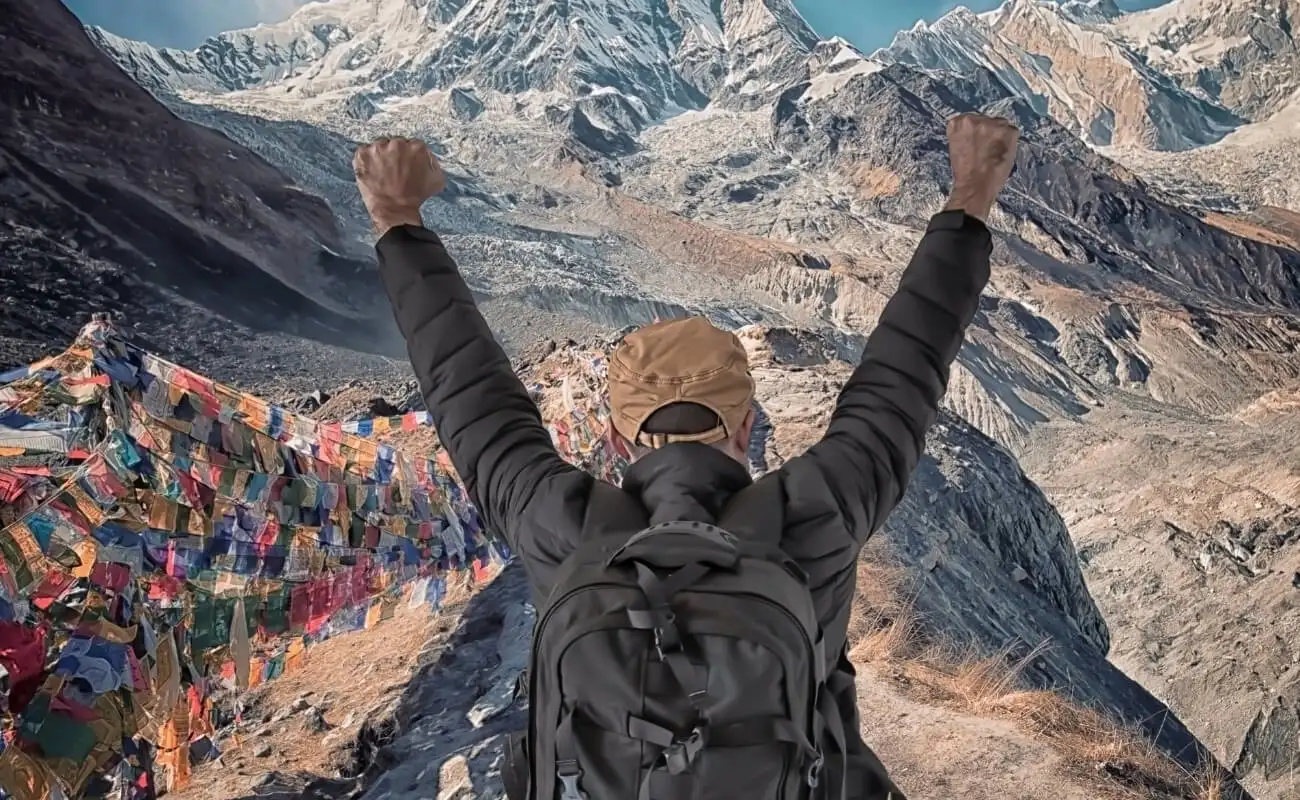 This guide provides a comprehensive overview of travel safety in Nepal, covering everything visitors need to know before planning their trip. It explains current crime levels, common tourist scams, road safety, altitude sickness, trekking safety, seasonal weather risks, health precautions, travel insurance, emergency services, solo and female travel, regional safety differences, and practical tips for staying safe throughout your journey. Whether you're visiting Nepal for sightseeing, trekking, wildlife, or cultural exploration, this guide helps you understand the country's real risks, separate myths from facts, and prepare for a safe and enjoyable travel experience.
Why Do Travelers Ask Whether Nepal Is Safe to Visit?
Nepal's reputation for danger is largely disconnected from what visitors actually encounter on the ground. Media coverage of the 2015 earthquake, reports of altitude-related trekking incidents, and generic assumptions about South Asia combine to create concern that exceeds the reality for most tourists.
What Makes Nepal a Popular Destination for International Travelers?
Nepal draws international travelers for 5 primary reasons: Mount Everest and Himalayan trekking, UNESCO World Heritage cultural sites, Buddhist and Hindu pilgrimage circuits, wildlife safaris in Chitwan and Bardia, and genuine affordability. Nepal Tourism Board data shows 1,053,794 international tourists arrived in 2023, with continued growth in 2024 across both trekking and cultural segments.
The Annapurna Conservation Area receives approximately 175,000 trekkers each season. The Everest Base Camp trail attracts over 40,000 trekkers annually. These numbers reflect consistent, returning demand, which is itself a reliable signal of destination safety. Travelers do not return in those numbers to places that regularly harm them. Nepal Tourism Board data shows international arrivals climbing 15.7% year-over-year as of January 2026, continuing the sustained rebound in both trekking and cultural tourism (NTB Tourism Insights, January 2026).
What Safety Concerns Do First-Time Visitors Usually Have?
The 6 most common safety concerns first-time visitors raise are: altitude sickness, road accidents, petty theft and scams, food and water contamination, natural disasters, and political instability. Each has a specific, factual answer rather than a blanket warning.
The 2015 earthquake, which killed 8,964 people and damaged significant portions of Kathmandu Valley, is often the dominant concern. What most travelers overlook is that Nepal's building reinforcement programs and revised seismic standards have expanded considerably since then. Kathmandu's tourist accommodation districts were largely rebuilt. The earthquake risk is a background reality, not a daily threat, the same way it is in Japan, New Zealand, or the US Pacific Northwest.
How Safe Is Nepal for Tourists Overall?
 Nepal is safe for tourists, with a Numbeo Crime Index score of 39.11, lower than regional comparisons including India (43.1), Indonesia (45.2), and Thailand (39.8). The crime travelers most commonly encounter is non-violent: overcharging for services, low-level scams, and opportunistic theft in crowded tourist areas. Nepal is safe for tourists, with Numbeo's 2026 Crime Index for Nepal placing the country at 36.11, in the “Low” crime band and below several regional comparators.
What Do Current Travel Conditions Mean for Visitors?
As of 2025–2026, Nepal's main tourist corridors operate under normal conditions. Kathmandu Valley, Pokhara, Chitwan National Park, and established trekking routes on the Annapurna, Everest, and Langtang circuits carry no elevated warnings from any major foreign affairs authority. The UK Foreign, Commonwealth and Development Office advises standard caution for popular tourist regions, though Australia's Smartraveller recommends travelers exercise a high degree of caution overall.
Certain border zones near Upper Mustang and restricted areas adjacent to the Chinese and Indian borders require Restricted Area Permits, but those are access controls, not safety warnings. Check the Nepal Tourism Board portal and your own country's foreign affairs website before departure for any region-specific updates that post-date this article.
How Does Nepal Compare With Other Popular Travel Destinations?
Nepal's violent crime rate against foreign nationals is lower than what most European travelers encounter in major Western European tourist cities. Mexico's crime index in most measured cities exceeds 60. Parts of Southeast Asia popular with backpackers rank above Nepal on crime measures overall. Nepal's risks are environmental and logistical, not primarily criminal.
This distinction shapes how you prepare. Planning a Nepal trip is less about personal security and more about physical preparation for altitude, infrastructure, and terrain. That is a fundamentally different kind of trip planning, and one where the right preparation resolves most concerns before you board the plane.
What Are the Most Common Risks Travelers Face in Nepal?
The 4 most common risks for travelers in Nepal are altitude illness, road accidents, gastrointestinal illness from contaminated food or water, and petty scams concentrated in high-traffic tourist zones. These four account for the majority of incidents reported by foreign embassies and Nepal's tourist police department annually.
How Can You Avoid Petty Theft and Scams?
Petty theft and scams concentrate in 3 specific zones: Thamel in Kathmandu, the Lakeside district in Pokhara, and crowded festival gatherings at major temples. Common scam types include inflated taxi fares without meters, unlicensed guides misrepresenting permit fees, fake gem and carpet investments, and individuals posing as government officials to charge unauthorized fees at trailheads.
Four practical steps that eliminate most scam exposure:
-
Use government-published fixed taxi fares displayed outside Tribhuvan International Airport's arrivals hall, the posted rates are official and non-negotiable
-
Book guides and porters exclusively through TAAN-registered operators (Trekking Agencies' Association of Nepal), registration certificates are publicly verifiable
-
Obtain TIMS cards and national park permits only at official Nepal Tourism Board counters in Kathmandu or Pokhara, not from individuals at trailheads
-
Decline all unsolicited tour offers from strangers at bus parks, temple entrances, or outside popular restaurants, genuine agencies have physical offices and verifiable registrations
Passports and travel insurance documents stay in your hotel safe. Carry only the cash you need for that day. A money belt worn under clothing provides additional protection in festival crowds.
What Should You Know About Road Safety in Nepal?
Road accidents are Nepal's most serious practical hazard for international visitors. Nepal's mountain roads are narrow, partially unpaved in many sections, and vulnerable to landslide damage during monsoon. Bus accidents on the Kathmandu-Pokhara and Pokhara-Besisahar routes cause injuries every year, most involving overloaded vehicles driven at night on unlit mountain roads.
Four transport decisions that reduce road risk significantly:
-
Travel between cities during daylight hours only, avoid overnight buses on mountain routes regardless of cost savings
-
Take domestic flights (Buddha Air, Yeti Airlines, Shree Airlines) for the Kathmandu-Pokhara route when the 7-hour mountain drive is avoidable
-
Hire a private vehicle and driver for Kathmandu Valley day trips rather than using local micro-buses on narrow valley roads
-
Avoid road travel immediately following heavy rainfall during the June–September monsoon period, when landslide risk peaks
Nepal's road infrastructure improves each year through active government and development projects. The Prithvi Highway and Arniko Highway receive ongoing maintenance. Mountain road risk, however, remains higher than travelers from Europe or North America typically anticipate on a first visit.
How Can You Stay Safe During Festivals and Crowded Areas?
Nepal's major festivals, Dashain (October), Tihar (October–November), Holi (March), and Indra Jatra (September), draw enormous crowds into tight urban spaces. These are among the most vivid cultural experiences Nepal offers. They also require specific awareness.
During Holi in Kathmandu, physical contact from strangers is culturally normalized for the celebration. Pickpocketing increases sharply in the dense crowds around Basantapur Durbar Square and Thamel. Female travelers specifically report unwanted contact during late-afternoon Holi crowds, choosing morning hours and moving in groups of 3 or more reduces this significantly.
During Dashain and Tihar, most Kathmandu businesses close for 5–15 days. Arrange accommodation and meals well in advance. ATM availability drops sharply during festival periods. Carry sufficient Nepali rupee cash before major festival dates begin, this is a practical logistics issue, not a crime risk.
Is Trekking in Nepal Safe?
 Yes, trekking in Nepal is safe when trekkers complete a properly structured acclimatization schedule, carry altitude illness medication, trek with a TAAN-licensed guide on routes above 3,500 meters, and hold comprehensive travel insurance that explicitly covers helicopter evacuation. The majority of serious trekking incidents stem from ascending too fast, not from the terrain itself.
What Safety Measures Should Trekkers Follow?
Every trekker on Nepal's established routes follows these 7 core safety practices before and during the trek:
-
Obtain a valid e-TIMS card (NPR 1,000 for SAARC nationals, NPR 2,000 for all others) at the NTB counter for most routes, or the Khumbu Pasang Lhamu Rural Municipality Permit (NPR 2,000) if trekking in the Everest region where TIMS is no longer used.
-
Carry the correct national park permit: ACAP (Annapurna Conservation Area Permit) for Annapurna routes, Sagarmatha National Park permit for Everest routes
-
Register each night at the designated tea house register, this creates a location trail that rescue teams use in active searches
-
Follow the "climb high, sleep low" principle above 3,000 meters, ascend to a higher point during the day, return to a lower elevation to sleep
-
Rest one acclimatization day for every 1,000 meters gained above 3,000 meters
-
Carry a pulse oximeter and check blood oxygen saturation each morning before ascending
-
Descend a minimum of 500 meters immediately when saturation drops below 80% or AMS symptoms appear and do not resolve with rest
The TIMS card system serves a purpose beyond permit compliance. It creates a documented location record that rescue dispatch teams access during missing person searches.
How Can You Reduce the Risk of Altitude Sickness?
Altitude sickness takes 3 clinically distinct forms: Acute Mountain Sickness (AMS), High Altitude Cerebral Edema (HACE), and High Altitude Pulmonary Edema (HAPE). AMS is common, manageable, and resolves with rest at current altitude. HACE and HAPE are life-threatening emergencies that demand immediate descent and emergency evacuation.
A peer-reviewed high-altitude ascent study hosted by the U.S. National Institutes of Health found AMS occurred in 73.5% of trekkers ascending to 5,300m without prior acclimatization, with roughly half experiencing moderate-to-severe symptoms. Symptoms include headache, nausea, fatigue, and dizziness that persist or worsen at rest. The correct response to mild AMS is rest and hydration at the current altitude, not pushing forward.
Using Diamox for altitude sickness, 125mg twice daily started 24–48 hours before ascending above 3,000 meters, is backed by a systematic review and meta-analysis of randomized controlled trials showing a 48% relative-risk reduction in AMS incidence versus placebo. Obtain a prescription from your physician before departure. Diamox is a sulfa drug and is contraindicated for people with sulfa allergies, confirm suitability with your doctor.
HACE produces confusion, loss of coordination, and can progress to unconsciousness within hours. HAPE causes breathlessness at rest, persistent cough, and frothy or pink sputum. Both require descent by at least 500–1,000 meters immediately, combined with supplemental oxygen where available. HACE responds to Dexamethasone; HAPE responds to Nifedipine. Both medications require physician guidance for correct dosing, discuss emergency altitude illness protocols with a travel medicine doctor before departure.
Why Is Hiring a Licensed Guide Important?
A TAAN-licensed trekking guide provides 4 specific safety functions that independent navigation cannot replace: route guidance in deteriorating weather, altitude illness symptom recognition, emergency evacuation coordination, and daily communication with agency support teams in Kathmandu.
What most first-time trekkers underestimate is the guide's clinical role. An experienced guide recognizes pre-HACE signs, mild confusion, gait abnormality, behavioral changes, that untrained trekkers attribute to ordinary fatigue. Guides initiate descent decisions before a situation becomes critical. They know which rescue posts carry oxygen, which trail sections become dangerous after snowfall, and how to contact helicopter rescue dispatch from remote sections of the Khumbu or Annapurna circuit.
Nepal mandated licensed guides for most established trekking routes in April 2023. Foreign nationals trekking unguided on designated routes face a strict fine of NPR 12,000. Beyond regulatory compliance, the safety case for guided trekking is stronger than the rule itself.
What Emergency Services Are Available on Popular Trekking Routes?
Rescue posts and medical facilities exist at 6 key points on Nepal's most popular routes: Namche Bazaar (3,440m), Pheriche (4,240m), Dingboche (4,410m), Manang (3,500m), Thorong Phedi (4,450m), and Muktinath (3,760m). The Himalayan Rescue Association (HRA) staffs physician-led aid posts at Pheriche on the Everest route and at Manang on the Annapurna Circuit during peak trekking seasons of October–November and March–May.
Helicopter rescue operates year-round on both main circuits. Response time from Kathmandu is 45 minutes to 3 hours depending on cloud cover and wind. Helicopter evacuation costs NPR 250,000–700,000 (approximately USD 2,000–5,500). Confirming you have helicopter rescue insurance is non-negotiable for any trek above 3,500 meters. Standard annual travel insurance policies routinely exclude high-altitude trekking and helicopter rescue, read the full policy document, not just the summary sheet, before purchasing.
Which Regions of Nepal Are Safest for Travelers?
Kathmandu Valley, Pokhara, Chitwan National Park, and the established trekking corridors of the Annapurna and Everest circuits are the safest regions for international travelers. These areas have dedicated tourist police presence, functioning private hospitals, reliable mobile networks up to 4,500 meters, and consistent foreign embassy monitoring.
Are Kathmandu and Pokhara Safe for Tourists?
Both cities are safe for tourists applying standard urban precautions. Kathmandu's Thamel tourist district has its own tourist police unit operating 24 hours. Pokhara's Lakeside district operates with similar coverage. Both cities have private hospitals, CIWEC Hospital in Kathmandu, Western Regional Hospital in Pokhara, capable of managing most medical emergencies short of major surgery.
Standard urban precautions apply: avoid unfamiliar streets after midnight without company, use reputable transport at night rather than flagging random vehicles, keep accommodation doors locked, and store valuables in the room safe. What travelers consistently find on arrival is that Nepal feels friendlier and more relaxed than anticipated. Unsolicited help from locals is usually genuine, the culture places real value on hospitality toward guests.
What Should You Know Before Visiting Remote Mountain Areas?
Upper Mustang, Dolpo, Kanchenjunga region, and Humla require Restricted Area Permits in addition to standard trekking documents. These zones have no ATM infrastructure, limited or no mobile network coverage above 4,000 meters, and medical facilities only at district headquarters, typically 1–3 days of trekking from any real emergency response.
Before entering a restricted area, register with the Area Police Office in the nearest gateway town. Carry a satellite communication device, a SPOT GPS tracker or Garmin inReach, because NTC and Ncell mobile networks are unavailable in most remote circuits above 4,500 meters. Budget 3–7 working days to arrange restricted area permits through a licensed trekking agency; online processing is not available for most of these zones.
What Health Precautions Should You Take Before Traveling to Nepal?
The 5 critical health steps before traveling to Nepal are: complete all recommended vaccinations, secure comprehensive travel insurance with helicopter evacuation coverage, get a dental checkup, consult a physician about altitude illness medication, and pack a reliable water purification method. These five steps address Nepal's specific health risk profile rather than generic travel advice.
Which Vaccinations and Travel Insurance Should You Consider?
Nepal's recommended vaccinations for international travelers include 6 core immunizations: Hepatitis A, Hepatitis B, Typhoid, Tetanus-Diphtheria booster (if overdue), Japanese Encephalitis for monsoon-season travel or Terai lowland visits, and Rabies for trekkers spending time in rural and mountain areas.
The Rabies recommendation deserves particular emphasis. Dog bites are a genuine trekking health risk: Nepal's Epidemiology and Disease Control Division reports that more than 94% of reported rabies-exposure cases nationally come from dog bites, reinforcing the case for pre-exposure rabies vaccination before rural and mountain travel. A pre-exposure Rabies vaccination series, 3 injections over 21 days, converts a potential evacuation emergency into a manageable post-exposure protocol available in Kathmandu. Without pre-exposure vaccination, a dog bite in a remote trekking area requires immediate evacuation to access Rabies immunoglobulin, which is unavailable outside major cities.
Travel insurance for Nepal must explicitly cover: helicopter evacuation, altitude illness treatment above 5,000 meters, high-altitude trekking as an adventure activity, and emergency medical repatriation. Standard annual travel insurance frequently excludes these scenarios. World Nomads and True Traveller both offer Nepal-specific trekking policies with explicit high-altitude coverage written into the policy terms, not just implied by vague "adventure sport" language.
How Can You Stay Healthy During Your Trip?
Traveler's diarrhea affects 40–60% of Nepal visitors at some point during their stay. Prevention relies on four consistent habits: drink only bottled or boiled water, eat at established restaurants rather than street stalls in unfamiliar areas, avoid raw vegetables and unpeeled fruit outside of Kathmandu's established international restaurants, and wash hands before every meal.
A practical medical kit for Nepal includes: Ciprofloxacin or Azithromycin for bacterial diarrhea, Metronidazole for Giardia (common in mountain water sources), Loperamide for symptomatic diarrhea control, Ibuprofen and Paracetamol, antihistamine tablets, antiseptic cream and wipes, and a comprehensive blister treatment kit.
Kathmandu has 3 internationally recognized private medical facilities: CIWEC Hospital (a travel medicine specialist clinic), Nepal International Clinic, and B&B Hospital. Outside Kathmandu and Pokhara, medical infrastructure is limited to basic district health posts. Rural facilities are not equipped for altitude illness treatment, surgical care, or complex medical intervention.
How Can Solo Travelers Stay Safe in Nepal?
Nepal is well-suited for solo travel, with an established backpacker infrastructure in Kathmandu and Pokhara, clearly waymarked popular trekking routes, tea house accommodation every 1–3 hours on major circuits, and a tourism sector experienced in supporting independent visitors. Solo trekking and solo cultural travel are both common and well-accommodated.
Is Nepal Safe for Solo Female Travelers?
Nepal is safe for solo female travelers, particularly on established trekking routes and in Kathmandu and Pokhara. Female travelers consistently report feeling more comfortable in Nepal than in comparable South Asian destinations.
Three specific precautions reduce risk further:
-
Choose accommodation using recent reviews from solo female travelers on TripAdvisor and HostelWorld, not purely on price or proximity to attractions
-
During Holi festival, avoid Thamel and Basantapur alone after midday, the crowd atmosphere shifts toward the afternoon, and groups of 3 or more provide meaningful protection
-
On remote trekking routes, trek with at least one companion, another traveler met on the trail, or a female guide arranged through a TAAN-registered agency
Reports of sexual harassment are less frequent in Nepal than in many comparable regional destinations, but they are not absent. Nepal's tourist police take complaints seriously and have dedicated female officers for cases involving female travelers. The tourist police emergency number in Kathmandu is +977-1-4247041.
What Tips Can Help Solo Travelers Enjoy a Safer Journey?
These 5 practical steps significantly improve solo travel safety in Nepal:
-
Register your trekking itinerary with your country's embassy or consulate in Kathmandu before leaving for the trail, most embassies accept online registration through their foreign nationals tracking portal
-
Share your daily location with a contact at home via WhatsApp or email, most tea houses on the Annapurna and Everest circuits have WiFi, making daily check-ins reliable
-
Store photocopies of your passport, visa, travel insurance policy, and emergency contacts in a separate bag from the originals
-
Download offline maps of your trekking route through Maps.me or Gaia GPS before losing cellular coverage above 4,500 meters
-
Join group departures organized by licensed trekking agencies, agencies regularly create departure groups pairing solo trekkers for shared logistics and company on the trail
When Is the Safest Time to Visit Nepal?
The safest months to visit Nepal are October, November, March, and April. For a full seasonal breakdown, see our guide to the best time to trek, these 4 months provide stable weather, dry trails, clear Himalayan views, and full access to all trekking routes and cultural sites. Monsoon season and winter introduce specific, well-documented hazards that narrow route options and increase environmental risk measurably.
How Do Weather and Natural Hazards Affect Travel Safety?
Nepal's 3 primary environmental hazards are seismic activity, monsoon flooding and landslides, and high-altitude winter snow and ice conditions. Nepal sits on the boundary of the Indian and Eurasian tectonic plates, making earthquake risk a permanent background condition rather than a seasonal one. Since the 2015 earthquake, tourist-grade accommodation in Kathmandu has been largely rebuilt or reinforced, particularly in Thamel, Patan, and Bhaktapur.
Monsoon-triggered landslides blocked the Prithvi Highway 14 times between July and September 2023, according to Department of Roads data. These closures strand travelers for hours to multiple days. Winter conditions above 4,800 meters make high passes genuinely dangerous without ice axes and crampons, equipment most recreational trekkers do not carry. The pre-monsoon period (April–May) brings dust and haze to Kathmandu Valley, reducing mountain views but not meaningfully increasing safety risk at lower altitudes. Monsoon-triggered landslides are a nationwide hazard: a 2024 case study published in the Journal of UTEC Engineering Management recorded 814 highway closures across 41 national highways during that year's monsoon season alone.
What Should You Know About the Monsoon and Winter Seasons?
The monsoon (June–September) carries 3 specific risks for travelers: landslide-blocked mountain roads, leech-infested lower-altitude jungle trails, and helicopter evacuation delays due to poor flight visibility. It is not a complete travel blackout, cultural tourism in Kathmandu and wildlife safaris in Chitwan remain accessible, and rainfall at lower altitudes actually enhances the jungle experience during monsoon season. Many travelers visit during this period at significantly reduced cost and with far fewer crowds on established circuits.
Winter (December–February) works well for low-altitude treks: Ghorepani Poon Hill, Kathmandu Valley rim walks, and Chitwan safari remain fully accessible and often uncrowded. Everest Base Camp and Annapurna Circuit are not suitable in winter. Thorong La Pass (5,416m) closes entirely in January in most years due to accumulated snowfall. Any plan involving high-altitude pass crossings belongs in the October–November or March–April window.
What Safety Tips Can Help You Enjoy a Worry-Free Trip to Nepal?
The 8 most effective safety practices for Nepal combine health preparation, logistical planning, and cultural awareness: vaccinate before departing, purchase altitude-specific travel insurance, hire a TAAN-licensed guide for trekking above 3,500 meters, carry a first aid kit with altitude medication, follow the climb-high-sleep-low schedule, avoid night buses on mountain roads, register with your embassy before trekking, and observe local customs at religious sites. These 8 steps address Nepal's realistic risk profile.
What Essential Items Should You Pack for a Safe Journey?
Packing for Nepal safety means addressing the country's specific risk profile. These 7 items matter more than any standard travel accessory list:
-
Pulse oximeter: available for USD 15–30 online or at pharmacies; indispensable for monitoring blood oxygen saturation above 3,500 meters
-
Water purification method: a SteriPen UV purifier or iodine tablets for stages where bottled water is unavailable or ecologically irresponsible above established base camp areas
-
Acetazolamide (Diamox): obtained by prescription from your physician before departure; 125mg twice daily starting 24–48 hours before ascending above 3,000 meters
-
Comprehensive first aid kit: antiseptic cream, compression bandages, Ciprofloxacin, oral rehydration salts, Ibuprofen, antihistamine, blister patches
-
Blister prevention supplies: moleskin and second-skin patches; blisters cause more trek abandonments than altitude on shorter circuits like Ghorepani and Mardi Himal
-
Portable power bank: minimum 20,000mAh capacity; electricity is unreliable and expensive at tea houses above 3,500 meters
-
Headlamp with lithium batteries: alkaline cells lose capacity rapidly below 0°C; lithium batteries maintain performance in cold, high-altitude conditions
How Can You Respect Local Culture While Staying Safe?
Cultural awareness in Nepal is a safety issue, not merely a courtesy. Entering temple inner sanctums without permission, photographing cremation ceremonies at Pashupatinath without consent, or ignoring basic religious site protocols creates confrontational situations that are entirely preventable.
The 4 cultural rules with direct safety relevance for travelers:
-
Remove footwear before entering any temple, monastery, or Nepali home, when uncertain, remove shoes at any religious building entrance
-
Walk clockwise around stupas and prayer wheels, the direction is ritually significant at Buddhist sites; correction from local devotees can be immediate and firm
-
Ask before photographing monks, elderly people, or active religious ceremonies, a gesture asking permission suffices where language does not
-
Cover shoulders and knees at all religious sites regardless of temperature, carry a light scarf in your day bag specifically for this purpose
These are not bureaucratic rules in Nepal. They reflect deeply held practice. Travelers who observe them move through the country with less friction and considerably more access to authentic cultural interactions.
How Can a Professional Trekking Agency Make Travel in Nepal Safer?
A licensed trekking agency provides 6 safety functions that independent trekking cannot easily replicate: permit acquisition and verification, logistics planning, TAAN-licensed guide assignment, daily altitude monitoring protocols, helicopter evacuation coordination, and insurance liaison support during medical emergencies. Each function addresses a distinct category of trekking risk.
How Can Our Trekking Agency Help You Travel and Trek Safely in Nepal?
In our trekking agency, every itinerary is built around your safety before it is built around your experience. Our guides carry TAAN licensing and Wilderness First Aid certification, with specific training in altitude illness recognition and emergency response protocols. We manage your TIMS registration, ACAP and Sagarmatha National Park permits, and all logistics from Kathmandu so you arrive at the trailhead with every document correctly in place.
Every departure includes a pre-trek safety briefing covering acclimatization protocol, the daily schedule structure, altitude illness warning signs, and emergency descent procedures. Our Kathmandu operations team maintains daily contact with guides on active treks. When a medical emergency arises, we coordinate helicopter evacuation directly with rescue dispatch, a process that moves faster through an agency with existing dispatch relationships than through an individual attempting it independently from a remote tea house at 4,800 meters.
We run our guided Everest Base Camp trek, along with Annapurna Circuit and Base Camp, Mardi Himal, Langtang Valley, Ghorepani Poon Hill, and Upper Mustang departures for groups, solo travelers, and custom private itineraries. Contact our team to plan your Nepal trek with the right safety infrastructure in place from day one.
What Are the Key Takeaways About Traveling Safely in Nepal?
Nepal is safe to travel. The crime data, travel advisories from multiple governments, and the experience of over 1 million annual visitors all support this conclusion.
The risks that exist are specific:
-
Altitude illness is the primary medical risk on trekking routes, managed through a structured acclimatization schedule, Diamox, daily pulse oximeter readings, and an immediate descent protocol for worsening symptoms
-
Road safety requires active transport decisions: daytime travel, domestic flights where available, private drivers over local buses on mountain roads
-
Health is protected through pre-departure vaccinations, comprehensive travel insurance, and clean water discipline throughout the trip
-
Petty scams are neutralized by using TAAN-registered operators, official permit counters, and government-published transport fare schedules
-
Solo travel is safe with embassy registration, daily check-ins with a home contact, offline maps downloaded before leaving mobile coverage, and accommodation chosen through verified recent reviews
Travelers who face serious difficulty in Nepal share a recognizable pattern: they rushed their altitude gain, skipped comprehensive insurance, or chose unlicensed operators to cut costs. The travelers who leave Nepal wanting to return, and most of them do, came prepared, moved at the pace the mountains require, and engaged with the country on its own terms.
Nepal rewards that approach with one of the most extraordinary travel experiences on earth.
More About Author

Khilak Budhathoki
Travel Director
Khilak Budhathoki is the co-founder and lead trekking guide at Himalaya Trekking Nepal, a locally owned and operated adventure company based in Kathmandu. Born and raised in the foothills of Nepal, Khilak developed a deep love for the mountains from an early age. With over a deca...

USD$600 pp
Our Recommendation
Related Blogs


