- 26, Jul 2026 | Khilak Budhathoki
Nepal is one of the world's premier Himalayan trekking destinations, offering exceptional trekking opportunities throughout the year across iconic routes such as Everest Base Camp, Annapurna Circuit, Annapurna Base Camp, Langtang Valley, Manaslu Circuit, Upper Mustang, and Dolpo. The best time to trek in Nepal depends on seasonal weather patterns, altitude, mountain visibility, trail conditions, regional climate, and your trekking objectives. While autumn (October and November) provides the most stable weather and consistently clear Himalayan views, spring, winter, and monsoon each create unique trekking experiences that suit different routes, budgets, photography opportunities, and adventure preferences.
 Choosing the right trekking season requires more than comparing temperatures or rainfall. Weather changes dramatically across Nepal's diverse elevations, influencing trail safety, high-pass accessibility, accommodation availability, trekking costs, cultural experiences, and acclimatization requirements. This guide explains Nepal's four trekking seasons, compares the best months for every major trekking region, analyzes weather and altitude conditions, highlights the advantages and challenges of each season, and helps you select the ideal time to trek based on your experience level, travel goals, preferred Himalayan landscapes, and overall trekking expectations.
Why Does the Best Time to Trek in Nepal Depend on the Season?
Nepal's trekking conditions shift measurably across 4 seasons, autumn (September–November), winter (December–February), spring (March–May), and monsoon (June–August), because each season delivers a different combination of temperature range, precipitation volume, trail accessibility, and mountain visibility that directly determines which routes are safe and rewarding.
What Makes Nepal's Climate Ideal for Trekking?
Nepal's geographic position between the Tibetan Plateau and the Indian subcontinent creates 4 measurably distinct climate zones within a single country. The Himalayas act as a natural precipitation barrier against moisture moving north from the Bay of Bengal, concentrating roughly 79% of Nepal's annual rainfall into the June–September monsoon period, according to a Tribhuvan University 52-year rainfall study, creating a defined dry window from October through May on most southern-facing routes. This seasonal concentration is the primary factor that makes Nepal a year-round trekking destination, rather than a single-window one.
Nepal spans 5 altitude bands: Terai lowlands (60–300m), Hill zone (300–2000m), Middle Hills (2000–3500m), High Himalaya (3500–5500m), and Tibetan Plateau approaches (above 5500m). Each band experiences a temperature drop of approximately 6.5°C per 1,000m of altitude gain. This altitudinal range produces radically different trekking conditions within the same calendar month.
3 structural climate factors make Nepal suited for high-altitude trekking:
-
Monsoon seasonality: 80% of annual precipitation concentrates between June and September, creating a defined dry window from October through May on most southern-facing routes
-
Post-monsoon atmospheric clarity: October air clears particulates after monsoon rains, producing mountain visibility exceeding 100km at high-altitude viewpoints like Kala Patthar (5,545m) and Poon Hill (3,210m)
-
Pre-monsoon jet stream relaxation: April–May stabilizes wind patterns above 7000m, opening the primary climbing window used by 98% of successful Everest summit teams
How Do Altitude and Weather Affect Trekking Conditions?
Altitude and weather interact across 3 measurable dimensions, temperature, precipitation, and trail surface stability, with each dimension shifting significantly between 1,500m and 5,500m elevation.
Temperature follows the environmental lapse rate of 6.5°C per 1,000m. A trekker comfortable at 18°C in Kathmandu (1,400m) faces -12°C ambient temperatures at Kala Patthar (5,545m) during winter months, with wind chill driving effective temperatures to -25°C. The 2 precipitation patterns that determine trail conditions are the monsoon system (June–September, 1,500–3,000mm on southern Himalayan slopes) and winter snowfall (December–February, 30–60cm accumulation at passes above 3,000m). Trail surface stability peaks during October–November, when post-monsoon drying consolidates rocky paths that erode during July–August.
Which Season Is the Best Time to Trek in Nepal?
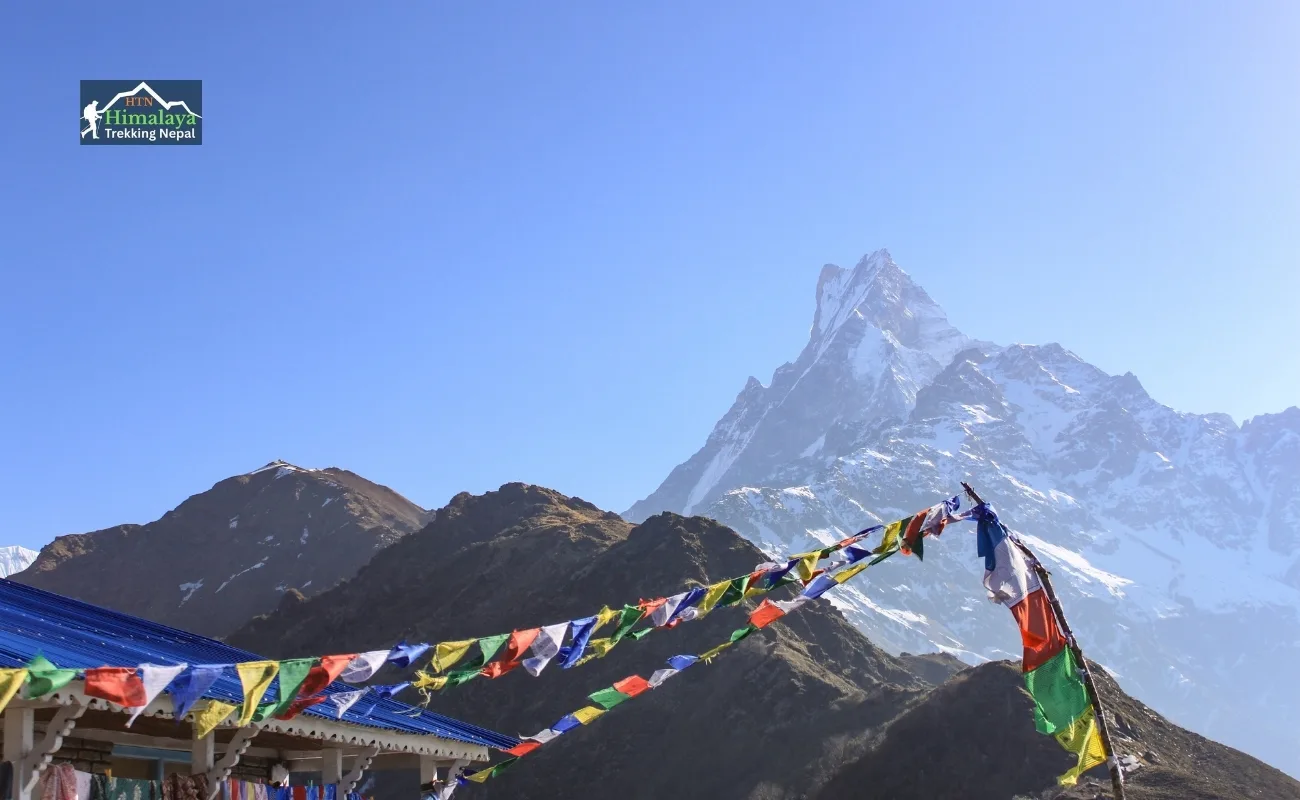 The best time to trek in Nepal is autumn (October–November), trekking and mountaineering arrivals hit 154,262 in 2023, up 150% year-on-year, according to Nepal's 2023 government tourism statistics. Spring (March–May) provides a reliable second window. Winter concentrates best trekking below 3,500m, and monsoon season restricts viable routes to 2 rain shadow regions in northern Nepal.
Why Is Autumn the Most Popular Trekking Season?
Autumn is the most popular trekking season in Nepal because post-monsoon atmospheric clarity delivers mountain visibility exceeding 100km, combined with stable daytime temperatures of 10°C–20°C at trail elevations of 2,000–4,000m, and dry, well-consolidated paths on every major route.
The monsoon system withdraws from Nepal by mid-September, leaving trails washed clean and vegetation refreshed. Everest Base Camp (5,364m) records daytime temperatures of 5°C–10°C in October, cold enough to energize hiking, warm enough to avoid frostbite with 3 layers of standard trekking clothing. The 3 conditions that make autumn exceptional are:
-
Visibility: Post-monsoon atmosphere removes particulates, producing sharp panoramas from Kala Patthar, Poon Hill, and Gokyo Ri that photographers specifically target
-
Trail integrity: Rocky paths consolidate after monsoon flooding; slip risks that peak in July–August reduce to minimal levels by October 10
-
Cultural immersion: Nepal's 2 largest festivals, Dashain (October) and Tihar (November), animate trail-side villages with music, offerings, and traditional celebrations unavailable in any other season
What experienced trekking guides highlight that most trip reports miss: early October (October 1–15) combines lingering monsoon greenery with clearing post-monsoon skies, delivering both lush valley colour and Himalayan clarity simultaneously. This 2–3 week window disappears by October 20 as vegetation dries. Trekkers who target October 5–20 access a visual aesthetic that neither season offers alone.
Is Spring the Second-Best Season for Trekking?
Spring (March–May) ranks as the second-best trekking season in Nepal, delivering rhododendron blooms across 32 native species, reliable morning clarity at high-altitude viewpoints, and the Everest climbing season atmosphere at Base Camp.
March begins cold, nights reach -5°C at 3,500m, but warming progressively through the month. April stabilizes daytime temperatures at Namche Bazaar (3,440m) between 8°C and 15°C during hiking hours. May introduces afternoon cloud buildup on 60–70% of days, with haze reducing visibility after 1–2pm but leaving mornings crystalline. The 2 advantages spring provides that autumn cannot replicate are:
-
Rhododendron blooms: Nepal's national flower covers 32 species and blankets trails from 1,500m to 4,000m in pink, red, and white blossoms between late March and early May, an ecological spectacle absent from autumn trails
-
Summit season access: Jet stream patterns above Everest relax in April–May, creating the 2–4 week weather window that enables successful 8,000m summit attempts; EBC fills with international expedition teams from 15+ nations
Can You Trek During Winter in Nepal?
Winter trekking (December–February) is viable for all trails below 3,500m elevation, while routes above 4,500m require technical cold-weather preparation and acceptance of 40–60% higher physical exertion due to cold air, snow-covered surfaces, and limited daylight (10.5 hours in December).
Daytime temperatures at mid-altitude trails (2,000–3,000m) range from 5°C to 12°C in December and January. Above 4,000m, nighttime temperatures drop regularly to -20°C, with wind chill at Kala Patthar reaching -30°C. High-altitude passes, Thorong La (5,416m), Cho La (5,420m), and Renjo La (5,340m), close after significant snowfall events and reopen within 3–7 days depending on accumulation. The 4 underappreciated winter trekking advantages are:
-
Crowd elimination: Everest Base Camp trail sees roughly 84% fewer trekkers in January compared to the October peak, according to official 2023 Sagarmatha National Park entry data
-
Accommodation freedom: Premier lodges at Namche Bazaar and Dingboche remain available without advance booking
-
Cost reduction: Trekking packages price 20–30% below autumn peak rates
-
Air clarity: Cold, dry winter air produces exceptional mountain visibility on cloud-free mornings, sharper than autumn on optically perfect days
Is the Monsoon Season Suitable for Trekking?
Monsoon season (June–August) is suitable for trekking in Nepal's 2 rain shadow regions, Upper Mustang and Dolpo, which receive only 200–300mm of annual rainfall compared to the 1,500–3,000mm that saturates Annapurna and Everest southern approach trails.
Standard Himalayan trails transform during monsoon: the Everest Base Camp route accumulates mud and becomes prone to landslides between Lukla and Namche, while leeches appear on low-altitude trails below 2,500m in concentrations of 5–15 per 10 minutes of hiking during peak July conditions. The 2 primary monsoon trekking destinations in Nepal are Upper Mustang (restricted permit, USD 500 per 10 days) and Dolpo (remote western region, 14–21 day circuits), both of which receive the year's only viable access window during June–August for northern approaches.
What Are the Pros and Cons of Trekking in Each Season?
Each of Nepal's 4 trekking seasons presents 3–5 distinct advantages and 2–4 specific challenges that determine trail accessibility, cost, physical demand, and experiential quality. The table below defines all 4 seasonal profiles before the detailed breakdowns that follow.
What Are the Advantages and Challenges of Autumn?
Autumn (September–November) trekking delivers the following profiles:
Advantages:
-
Visibility reaches 80–120km on clear days; Dhaulagiri, Annapurna, and Everest are visible simultaneously from Poon Hill (3,210m) on optimal October mornings
-
Temperature stability at 3,500m ranges from 8°C to 16°C, requiring only 3–4 clothing layers for comfortable hiking
-
Trail conditions rate optimal across all major routes below 5,500m after monsoon-consolidation
-
Cultural events animate villages along Annapurna and Everest routes during Dashain and Tihar
Challenges:
-
Trail congestion peaks at 400–600 trekkers daily on the Annapurna Base Camp approach in October
-
Accommodation pressure demands 3–6 month advance booking at popular lodges in Namche Bazaar, Dingboche, and Gorak Shep
-
Teahouse prices increase 15–25% above off-season rates during October–November
What Are the Advantages and Challenges of Spring?
Advantages:
-
32 rhododendron species bloom between 1,500m and 4,000m elevations from late February through April
-
Everest expedition atmosphere fills Base Camp with mountaineering teams, adding a unique operational energy
-
Improving daily temperatures extend comfortable hiking windows progressively through March and April
Challenges:
-
Afternoon haze reduces visibility on 60–70% of May afternoons after 1–2pm at mid-altitude viewpoints
-
Trail dust accumulates on lower Mustang and Annapurna dry sections, reducing air quality comfort
-
Lower Himalayan approach temperatures reach 35°C in the Terai by May, making pre-altitude acclimatization stages uncomfortable
What Are the Advantages and Challenges of Winter?
Advantages:
-
Trail populations drop to 10–15% of peak season levels, delivering complete solitude on all routes
-
Package prices reduce 20–30%, with lodge rooms available without advance booking on any route
-
Cold dry air produces the year's sharpest mountain views on optically clear mornings
Challenges:
-
Nighttime temperatures at 4,000m reach -20°C, requiring 4-season sleeping bags rated to -15°C minimum and expedition-grade insulation layers
-
High-altitude passes close after snowfall events, with Thorong La, Cho La, and Renjo La each requiring 3–7 day wait periods
-
10.5 hours of daylight in December compresses hiking schedules and eliminates evening hiking flexibility
What Are the Advantages and Challenges of the Monsoon?
Advantages:
-
Upper Mustang and Dolpo remain dry while southern Himalayan slopes receive 150–300mm of monthly rainfall
-
Monsoon transforms lower valleys into vivid green terraced landscapes with seasonal waterfall formations
-
Crowd density drops to 5–10% of peak season levels on all standard routes
Challenges:
-
Leech concentrations peak on trails below 2,500m between June and August, requiring gaiters and daily body checks
-
Nepal records 30–50 significant trail-blocking landslides annually between July and August on major trekking routes
-
Lukla airport flight delays reach 40–60% during monsoon months, disrupting Everest region access logistics
Which Months Are Best for Trekking in Nepal?
 The 4 best individual months for trekking in Nepal are October, November, April, and March, in that order, with each month offering specific advantages tied to altitude, target region, and trekking objectives.
Is October the Best Month for Trekking?
October is the single best month for trekking in Nepal, combining post-monsoon clarity, stable 10°C–15°C daytime temperatures at 3,500m, and dry trails across every major trekking region. Mountain views remain consistently clear for 20–25 days out of 31, with Lukla flights operating at near-100% reliability during October's stable atmospheric windows.
The Dashain festival falls during the first 2 weeks of October, and villages along Annapurna and Everest routes host cultural activities that add experiential depth unavailable in any other month. The specific window of October 10–25 delivers post-Dashain village quiet before peak trail crowds arrive in the final October week, reducing accommodation pressure by 30–40% compared to October 25–31.
How Good Is November for Trekking?
November is the second-best trekking month in Nepal, with mountain clarity remaining strong through the first 3 weeks before pre-winter atmospheric dust builds in late November. Temperatures at 3,500m drop to 3°C–10°C, requiring one additional insulation layer compared to October.
Early November trails see 20% fewer trekkers than October while lodges remain fully operational. The first high-altitude snowfall typically arrives November 10–20, dusting Himalayan peaks with fresh white coverage that enhances mountain photography dramatically. Trekkers completing Everest Base Camp or the Three Passes route plan Kathmandu departures before November 15 to complete high-altitude crossings before wind increases at 5,000m+ passes extend crossing times by 30–45 minutes.
Should You Trek in March or April?
March and April are the 2 best spring months for Nepal trekking, with April delivering the optimal balance of rhododendron peak bloom, warm mornings, and pre-haze clear skies. March offers colder starts (5°C at 3,500m mornings) with fewer trail users than April. April averages 9°C mornings and 18°C midday temperatures at equivalent elevations, with 11–12 hours of daylight extending comfortable hiking windows.
Rhododendron bloom peaks between April 1–20 at elevations of 2,000–3,500m, the specific window where Annapurna trail photography combines forest colour and Himalayan backdrop in a single frame. Trekkers targeting this photographic experience plan April 1–15 arrivals for the optimal alignment of bloom timing and pre-haze morning clarity.
Which Other Months Are Worth Considering?
September (after September 20), December, and February each offer specific trekking advantages for defined goals:
-
Late September (September 20–30): The monsoon retreats, delivering the first post-monsoon clear days with vivid green vegetation still on hillsides, a combination that disappears by October 20; trail populations remain 40% below October levels
-
December: Cold and quiet, with exceptional mountain views on clear days; the Ghorepani-Poon Hill circuit (maximum 3,210m) remains fully accessible with standard cold-weather gear and delivers winter solitude at one of Nepal's premier sunrise viewpoints
-
February: The pre-spring transition month; rhododendron buds appear at lower elevations (1,500–2,000m), trail populations sit 50% below March levels, and temperatures begin their upward trend from January lows
Which Trekking Regions Are Best in Each Season?
Nepal's 5 primary trekking regions, Everest, Annapurna, Langtang, Manaslu, and Upper Mustang, each align differently with the 4 seasons based on altitude profiles, geographic orientation relative to monsoon flow, and permit access requirements.
Which Treks Are Best During Autumn?
Autumn opens all 5 major trekking regions simultaneously, making it the only season when every classic Himalayan route operates at full capacity with complete trail and teahouse infrastructure. The 5 best autumn treks in Nepal:
-
Everest Base Camp Trek (12–14 days, max 5,545m): Post-monsoon visibility from Kala Patthar delivers the year's clearest direct view of Everest's southwest face. For a full month-by-month breakdown, see Everest Base Camp trek's best time
-
Annapurna Circuit Trek (14–21 days, max 5,416m): Thorong La Pass remains reliably open; Manang Valley mountain views stay unobstructed by haze or cloud cover
-
Langtang Valley Trek (7–10 days, max 4,984m): Located 3 hours from Kathmandu; delivers uncrowded autumn trekking with Langtang Lirung (7,234m) panoramas and genuine teahouse culture. Month-by-month rainfall and snow data are covered in the best time for Langtang trek
-
Manaslu Circuit Trek (14–17 days, max 5,135m): Requires a restricted area permit; delivers a Thorong La-equivalent crossing with 60% fewer trekkers than Annapurna Circuit. Larke Pass conditions shift sharply by month, for specifics, see Manaslu Circuit trek timing
-
Gokyo Lakes Trek (11–13 days, max 5,357m): Turquoise Gokyo Lakes (4,700–4,990m) reflect autumn light under clear skies, offering an Everest panorama from Gokyo Ri that rivals Kala Patthar's view
Which Treks Are Best During Spring?
Spring prioritizes the Annapurna and Everest regions, where rhododendron forests below 4,000m deliver the season's defining visual experience alongside reliable morning clarity. The 4 best spring treks:
-
Annapurna Base Camp Trek (10–12 days, max 4,130m): Dense rhododendron forests from Ghorepani to Bamboo deliver peak bloom between March 25–April 20. For a season-by-season comparison, see the best time for Annapurna trek
-
Everest Base Camp Trek (12–14 days, max 5,545m): Spring fills Base Camp with expedition teams from 15+ nations, creating a mountaineering-season atmosphere
-
Ghorepani-Poon Hill Trek (4–5 days, max 3,210m): Nepal's most accessible mountain-view trek peaks in late March for the best rhododendron-and-Himalaya combination available in a short circuit
-
Kanchenjunga Base Camp Trek (18–22 days, max 5,143m): Remote eastern Nepal trail with rhododendron biodiversity exceeding western routes; best accessed April for optimal bloom timing
Which Treks Are Best During Winter?
Winter concentrates best trekking below 3,500m, with 3 routes remaining fully accessible without technical mountaineering skills. The 3 best winter treks:
-
Ghorepani-Poon Hill Trek (4–5 days, max 3,210m): Poon Hill's sunrise panorama operates year-round; winter delivers cloud-free views with zero trail congestion on a route fully passable with standard trekking boots and cold-weather layering
-
Langtang Valley Lower Section (5–7 days, to Kyanjin Gompa at 3,817m): Accessible in December–January with proper 3-season gear; the Kyanjin Gompa monastery and Langtang glacier viewpoints reward winter trekkers willing to accept cold lodge nights
-
Kathmandu Valley Rim Trek (3–4 days, max 2,700m): A low-altitude circuit linking Nagarkot, Dhulikhel, and Panauti, fully accessible in winter months and combinable with Kathmandu cultural visits for time-limited travellers
Which Treks Are Best During the Monsoon?
Monsoon viable trekking concentrates in 2 rain shadow regions where the Himalayas block 85–90% of monsoon precipitation. The 2 primary monsoon treks:
-
Upper Mustang Trek (12–14 days, max 3,840m): The ancient Kingdom of Lo receives only 250mm of annual rainfall, keeping trails dry throughout monsoon season; the restricted permit (USD 500 per 10 days) limits access to approximately 1,000 trekkers annually, preserving 15th-century cave monasteries and Tibetan Bon culture in near-pristine condition
-
Dolpo Trek (14–21 days, max 5,115m): Nepal's most remote trekking region crosses the Kagmara La and accesses Shey Phoksundo Lake (3,611m), known for its striking turquoise color and impressive depth of 145m, during the June–August window that represents the only reliable northern approach access of the year
What Weather and Trail Conditions Should You Expect?
Nepal trekking weather varies across 4 altitude bands and 4 seasons, producing 16 distinct condition profiles. Trekkers select their preparation approach based on the intersection of departure month and maximum planned altitude.
How Cold Does It Get at Different Altitudes?
Temperature at Nepal's trekking altitudes follows the environmental lapse rate of 6.5°C per 1,000m, producing measurable and predictable cold exposure at each elevation band. The following table presents average temperature ranges by altitude and season at 4 representative elevations across Nepal's trekking network:
|
Elevation |
Autumn (Oct–Nov) |
Spring (Mar–May) |
Winter (Dec–Feb) |
Monsoon (Jun–Aug) |
|
1,500m (Lukla) |
5°C – 18°C |
8°C – 22°C |
-2°C – 10°C |
12°C – 24°C |
|
3,440m (Namche Bazaar) |
2°C – 12°C |
4°C – 14°C |
-8°C – 5°C |
8°C – 18°C |
|
4,410m (Dingboche) |
-3°C – 8°C |
0°C – 10°C |
-15°C – 2°C |
4°C – 14°C |
|
5,364m (Everest Base Camp) |
-10°C – 5°C |
-8°C – 5°C |
-25°C – -5°C |
-2°C – 10°C |
Wind chill at Kala Patthar (5,545m) during October pre-dawn hours drives effective temperatures to -15°C to -25°C. Trekkers targeting the sunrise view, the primary Everest panorama viewpoint, dress in expedition-grade outer layers regardless of autumn's generally mild daytime reputation. The pre-dawn hour at 5,545m delivers the coldest field conditions most non-mountaineers encounter in their lifetime.
How Does Visibility Change Throughout the Year?
Visibility at Nepal's mountain viewpoints follows a clear annual pattern with 5 measurable seasonal levels: October (80–120km, peak), November (60–90km, excellent), March–April (50–80km, good), December–February (variable 30–100km, weather-dependent), and June–August (5–30km on standard routes, heavily cloud-dependent).
The post-monsoon atmosphere clears fine particulates by mid-October, producing the year's most transparent air mass over the Himalayas. The Indian subcontinent's dust-haze builds from November through March at lower altitudes while high-altitude clarity remains strong until May. Specific seasonal visibility profiles at 3 key viewpoints:
-
Dhaulagiri from Poon Hill: Peak clarity October 5–November 10; acceptable clarity April 1–20
-
Everest from Kala Patthar: Best October 10–November 5; acceptable March 25–April 25
-
Annapurna South from Annapurna Base Camp: Peak October–early November; reliable on March–April mornings before 11am
What Are the Typical Trail Conditions by Season?
Trail conditions across Nepal's 4 trekking seasons divide into 3 categories, optimal (dry, stable, fully marked), acceptable (mud or snow patches requiring additional care), and challenging (significant hazards requiring technical preparation or route alteration).
-
Autumn: Optimal on all routes below 5,500m; trails dry within 2–3 weeks of monsoon retreat by mid-October
-
Spring: Optimal below 4,000m; acceptable at high-altitude passes where north-facing slopes retain snow patches above 4,500m through late March
-
Winter: Optimal below 3,000m; challenging above 4,500m with compacted ice and snow on exposed sections; high-altitude pass crossings require microspikes or crampons above 4,800m
-
Monsoon: Optimal in rain shadow regions (Upper Mustang, Dolpo); challenging on all southern Himalayan trails with mud, active leeches below 2,500m, and landslide-prone sections between Lukla and Namche
How Should You Prepare for Trekking in Different Seasons?
Preparation for Nepal trekking divides across 3 categories, clothing and gear selection, universal safety protocols, and weather risk mitigation strategies, with each category requiring season-specific adaptation.
What Clothing and Gear Should You Pack?
The 4 essential clothing layers for Nepal trekking are a moisture-wicking base layer, an insulating mid-layer, a windproof softshell, and a waterproof hardshell outer shell. Specific weights and technical ratings vary by target season and maximum altitude.
Autumn (standard trekking configuration):
-
Base layer: 150–200 weight merino wool or synthetic moisture-wicking fabric
-
Mid-layer: 600–700 fill power down jacket rated to -5°C
-
Outer shell: waterproof/breathable membrane (Gore-Tex or 2.5-layer equivalent)
-
Footwear: waterproof trekking boots with ankle support rated to 0°C
-
Sleeping bag: comfort-rated to -5°C (teahouses provide blankets above this standard)
Winter (cold-weather trekking configuration):
-
Base layer: 250+ weight heavyweight merino wool
-
Mid-layer: 700–800 fill power down jacket rated to -15°C
-
Outer shell: 3-layer waterproof construction with fully taped seams
-
Footwear: double-layer insulated mountaineering boots for elevations above 4,000m
-
Sleeping bag: rated to -20°C for any camping above 4,500m; teahouse supplemental heating is minimal or absent
Monsoon (rain-priority configuration):
-
Fully seam-sealed pack rain cover (80L capacity minimum)
-
Gaiters for leech protection on trails below 2,500m
-
Trekking poles with rubber tips for muddy trail grip
-
Sandals for river crossing sections where bridges wash out in July–August
What Safety Tips Should You Follow Year-Round?
4 universal safety protocols apply across all Nepal trekking seasons regardless of route, experience level, or target altitude:
-
Acclimatization: Ascend no more than 300–400m net altitude gain per day above 3,000m; take 1 full rest day for every 1,000m gained above 3,000m
-
Hydration: Drink 3–4 litres of water daily at altitude; dehydration accelerates Acute Mountain Sickness (AMS) symptom onset by 40%
-
Insurance: Purchase travel insurance with helicopter evacuation coverage rated to 6,000m; evacuation from Everest Base Camp costs USD 4,000–8,000 per flight
-
Mandatory Guide and Permits: You must hire a licensed guide through a registered trekking agency, which is legally required for all foreign trekkers in Nepal's National Parks and Conservation Areas. Additionally, obtain the necessary permits, such as a TIMS card for regions like Annapurna, or the specific Khumbu Pasang Lhamu Rural Municipality permit for the Everest region.
AMS (Acute Mountain Sickness) affects roughly 26% of Everest-route trekkers at Lobuche and 15% of Annapurna Circuit trekkers at Manang, according to the 2023 Wilderness & Environmental Medicine AMS survey, the largest AMS dataset published to date. The 3 AMS warning signs requiring immediate descent are persistent headache unresponsive to 400mg ibuprofen, vomiting without symptomatic improvement after rest, and loss of balance or motor coordination. Descent of 500–1,000m resolves 90% of AMS cases within 6–12 hours without medication.
How Can You Reduce Weather-Related Risks?
5 strategies reduce weather-related trekking risks across all 4 Nepal seasons:
-
Early starts: Begin hiking by 6–7am to complete high-altitude sections before afternoon weather develops; afternoon storms build on 60–70% of pre-monsoon days between 1–4pm
-
Flexible itineraries: Build 2 buffer days into any trek exceeding 7 days to accommodate weather delays at high passes without schedule compromise
-
Offline navigation: Download Nepal trekking route maps on maps.me or Gaia GPS before departure from Kathmandu; cell coverage disappears above 4,000m on most routes
-
Altitude forecasting: Check mountain-forecast.com for altitude-specific wind speed and precipitation predictions 3–5 days ahead of high-pass crossing days
-
Local guide assessment: Licensed Nepali guides carry 24–48 hours of direct route condition knowledge from other guide communications, real-time trail intelligence unavailable through remote forecasting
How Should You Choose the Best Time to Trek in Nepal Based on Your Goals?
Selecting the optimal Nepal trekking season requires matching 4 personal variables, experience level, photographic priorities, budget range, and crowd tolerance, to the 4 seasonal profiles defined throughout this guide.
Which Season Is Best for Beginners?
Autumn (October–November) is the best season for beginner trekkers in Nepal for 4 concrete reasons: stable weather reduces weather-related decision complexity, fully operational rescue infrastructure maximises safety coverage across all routes, dry trails eliminate navigation uncertainty, and warm daytime temperatures minimise required gear investment.
A beginner completing the Annapurna Base Camp trek (4,130m maximum) in October faces conditions that Nepal's certified mountain guides describe as the country's most forgiving: 12–14 hours of daylight, predictable afternoon weather patterns, and teahouses operating at full staffing capacity with English-speaking support staff on all major routes. First-time trekkers with similar priorities also do well on the Everest Base Camp trek package, which follows the same October comfort window.
Spring (March–April) serves as the reliable second option for beginners who miss the autumn window, with the specific note that late March remains cold at altitude and requires the identical layering system as October despite the seasonal label.
Which Season Is Best for Photography and Mountain Views?
October 10–November 10 delivers the best mountain photography conditions in Nepal, combining the year's maximum atmospheric clarity with low-angle golden-hour light on Himalayan faces, fresh snowfall on summit ridges, and post-monsoon green valleys in the foreground of high-elevation compositions.
Specific photography opportunities by season:
-
Autumn: 360-degree mountain panoramas from Poon Hill, Kala Patthar, and Gokyo Ri with 80–120km visibility; sunset alpenglow on Dhaulagiri and Annapurna from Poon Hill viewpoint
-
Spring: Rhododendron-framed Himalayan portraits; Annapurna South above Ghorepani forest at peak bloom (April 1–20); Everest face from Kala Patthar without summer haze
-
Winter: Snow-dusted peaks against deep blue winter sky from low-altitude viewpoints; village life and monastery photography with zero tourist presence in frame
-
Monsoon: Dramatic waterfall and cloud formation photography; Upper Mustang's ochre canyon landscapes under monsoon sky formations unavailable in dry seasons
Which Season Is Best for Fewer Crowds and Better Value?
November (after November 15), February, and late September (before September 20) deliver the optimal combination of manageable conditions, 30–50% lower costs, and 40–60% fewer trekkers compared to October peak levels.
The following table presents approximate 2026 USD costs for a 12-day Everest Base Camp trek across 4 seasons:
|
Season |
Trekking Package |
Teahouse Cost/Night |
Savings vs. October |
|
Autumn (October) |
USD 1,200–1,800 |
USD 15–30 |
Baseline |
|
Spring (April) |
USD 1,100–1,600 |
USD 12–25 |
10–15% |
|
Winter (January) |
USD 800–1,200 |
USD 8–15 |
30–40% |
|
Monsoon (July) |
USD 700–1,000 |
USD 5–12 |
40–50% |
How Can Our Trekking Agency Help You Choose the Best Trekking Season?
By law, you must use a Nepal Tourism Board (NTB)-registered trekking agency, part of an industry that counted 3,191 registered trekking agencies and 26,292 licensed trekking guides in 2023, according to Nepal's 2023 trekking industry registry, which secures 4 essential requirements for your trip: real-time trail condition reports from active guides, mandatory permit processing for TIMS, ACAP, and Sagarmatha National Park entry, peak-season teahouse booking access, and the required licensed guide-porter assignment with verified altitude training credentials.
Can Our Trekking Agency Recommend the Right Trek and Season for You?
An experienced Nepal trekking agency tailors seasonal recommendations based on 5 client-specific variables: fitness level, available travel dates, maximum altitude comfort threshold, photography or cultural priorities, and total budget range.
Agencies registered with the NTB and holding membership in the Trekking Agencies Association of Nepal (TAAN) operate under regulated guide training standards. NTB-certified guides complete the Nepal Tourism Board's mountain guide training program, covering altitude first aid protocols, route navigation, and weather assessment techniques. This certification standard separates licensed guides from unregistered operators who lack the training to identify early AMS symptoms or assess high-pass closure conditions.
The right agency matches your specific departure window, whether October, March, January, or June, with the trek that delivers your priority experience: Himalayan panoramas, rhododendron landscapes, solitude-and-savings, or rain shadow cultural immersion. Contact a TAAN-registered agency with your preferred dates and goals to receive route and season recommendations backed by current trail condition data.
What Are the Key Takeaways About the Best Time to Trek in Nepal?
The best time to trek in Nepal is October and November (autumn), followed by March and April (spring), with winter and monsoon windows serving trekkers with specific goals, experience levels, and route preferences.
The 6 key facts from this guide:
-
Autumn (October–November) delivers Nepal's clearest mountain views, most stable weather, and complete trail access across all 5 major trekking regions simultaneously, the definitive optimal window
-
Spring (March–May) offers 32 native rhododendron species in bloom, Everest expedition-season atmosphere, and reliable morning clarity at the cost of afternoon pre-monsoon haze
-
Winter (December–February) rewards experienced trekkers with 30–40% lower costs, complete trail solitude, and exceptional cold-morning mountain clarity on routes below 3,500m
-
Monsoon (June–August) opens Upper Mustang and Dolpo exclusively, 2 of Nepal's most culturally distinctive northern regions, while southern Himalayan trails remain challenging with mud, leeches, and landslide risk
-
October 10–November 10 represents the single best 30-day window for first-time Nepal trekkers targeting the Everest or Annapurna regions, combining post-monsoon clarity with stable temperatures and full teahouse infrastructure
-
Acclimatization pacing (300–400m/day above 3,000m), helicopter evacuation insurance, and proper local permits (such as TIMS for Annapurna or the Khumbu Municipality permit for Everest) remain the 3 non-negotiable safety factors regardless of which season or route you select.
Nepal's Himalayan trails remain accessible across 10 months of the year, with July and August presenting consistent limitations only on southern-facing routes. The right season aligns with your specific goals, whether October's unmatched clarity, April's rhododendron landscapes, January's complete solitude, or Mustang's rain shadow canyon culture. Identify your priority, match it to the seasonal profile, and plan your permit logistics with a registered agency 3–6 months before departure. Trekkers wanting fewer crowds without sacrificing mountain views often choose the Manaslu Circuit Trek, Nepal's quieter high-pass alternative to Everest and Annapurna.
More About Author

Khilak Budhathoki
Travel Director
Khilak Budhathoki is the co-founder and lead trekking guide at Himalaya Trekking Nepal, a locally owned and operated adventure company based in Kathmandu. Born and raised in the foothills of Nepal, Khilak developed a deep love for the mountains from an early age. With over a deca...
USD$620 pp
Our Recommendation
Related Blogs


Dec 22, 2025
Annapurna Base Camp Trek Permit
