- 24, Jul 2026 | Khilak Budhathoki
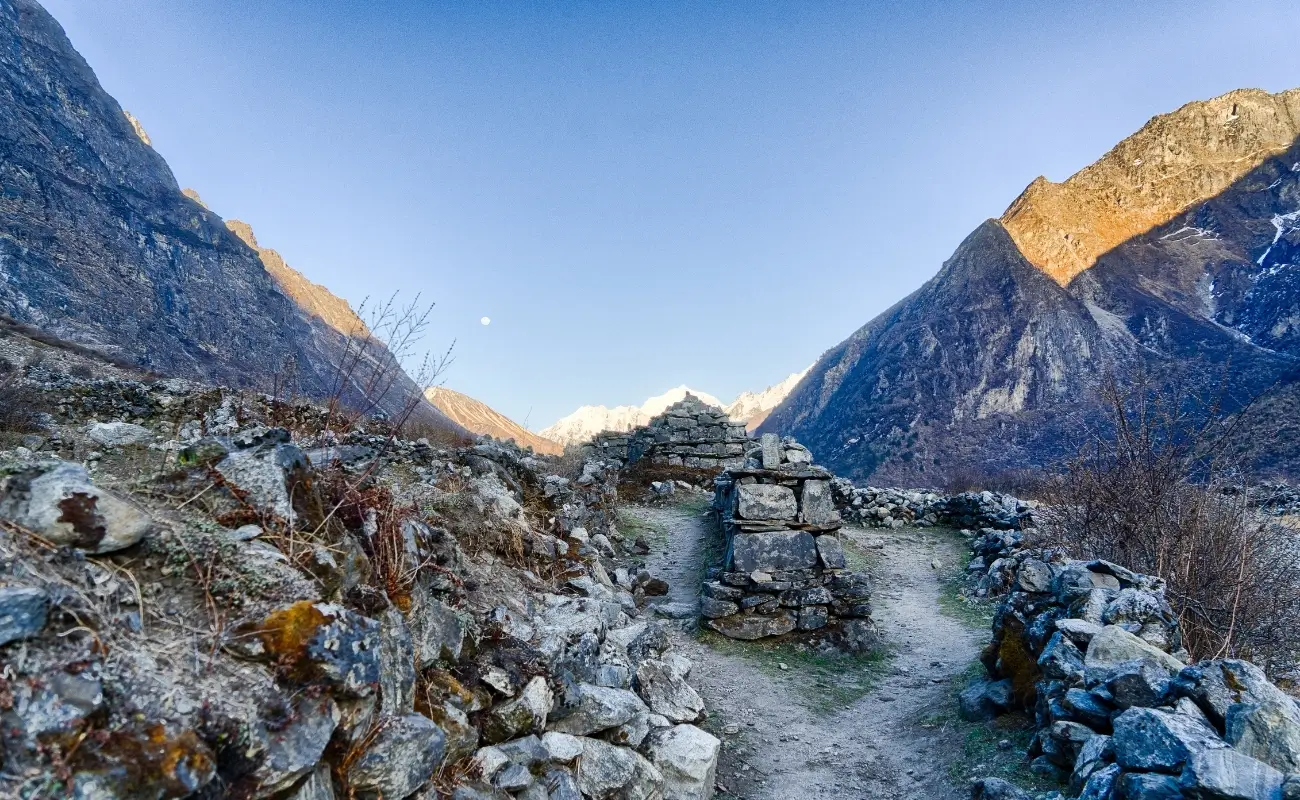
The Langtang Valley Trek is one of Nepal's most accessible Himalayan trekking adventures, combining alpine landscapes, traditional Tamang villages, glaciers, and panoramic mountain views without the need for a domestic flight. Located inside Langtang National Park, the trek begins with a road journey from Kathmandu to Syabrubesi and follows the Langtang Valley to Kyanjin Gompa, making it a popular alternative to the Everest Base Camp and Annapurna Base Camp treks. Although the route is considered one of Nepal's best-value high-altitude treks, the total Langtang Valley Trek cost varies according to the itinerary, trekking duration, group size, season, transportation, accommodation standard, and whether you choose an independent-style guided trek or a fully customized private package.
 Planning an accurate trekking budget requires understanding far more than the package price alone. Permit fees, licensed guide and porter costs, transportation to the trailhead, teahouse accommodation, meals, travel insurance, equipment rental, personal expenses, and seasonal pricing all influence the final cost of the Langtang Valley Trek. This comprehensive guide explains every major expense, compares budget, standard, and premium trekking options, highlights practical ways to reduce costs without compromising safety, and compares Langtang with other popular Himalayan treks so you can choose the right itinerary and budget with confidence.
How Much Does the Langtang Valley Trek Cost?
The Langtang Valley Trek costs between USD 650 and USD 1,800 per person for a 7–12 day experience. Budget trekkers opting for basic teahouses and sharing a guide's cost within a group spend USD 60–75 per day. Guided trekkers with porter support average USD 60–90 per day. Premium private itineraries with hired jeep transport and full staff services exceed USD 100 per day.
Three clear pricing tiers define the Langtang Valley Trek market in 2026:
-
Budget independent trek: USD 800–1,000, covers permits, local bus transport, basic teahouse accommodation, all meals, and a shared guide. Best for experienced Himalayan trekkers traveling on a strict budget. Best for experienced Himalayan trekkers traveling on a strict budget.
-
Standard guided trek: USD 900–1,200, adds a licensed guide, shared porter support, and mid-tier teahouse rooms. Suitable for first-time Nepal trekkers.
-
Premium private trek: USD 1,500–1,800+, includes private jeep transfers, a dedicated guide, a personal porter, flexible itinerary, and upgraded accommodation with hot water and attached bathrooms.
One critical distinction separates Langtang from every other major Nepal trek: there is no domestic flight. The trail begins with a road journey from Kathmandu to Syabrubesi, which eliminates the USD 350–550 round-trip flight cost that makes the Everest Base Camp route significantly more expensive.
What Is the Average Cost for Different Trek Durations?
Trek duration directly controls total spending. The table below reflects 2026 realistic averages for a solo international trekker in a guided setup:
|
Trek Duration |
Typical Route |
Average Cost (Guided) |
|
7 days |
Syabrubesi – Kyanjin Gompa – return |
USD 685–900 |
|
9–10 days |
Langtang Valley extended with Tsergo Ri |
USD 950–1,200 |
|
12–14 days |
Langtang + Gosaikunda Lake |
USD 1,085–1,500 |
A 7-day trek keeps accommodation and meal costs low because fewer nights are spent at high-altitude lodges where prices increase. A 12-day itinerary that adds the Gosaikunda extension raises total costs by USD 350–500 due to additional permit requirements, extra guide days, and higher-elevation lodge rates.
What Is Included in the Trek Cost?
Standard Langtang Valley Trek packages include permits, accommodation in teahouses, all daily meals (breakfast, lunch, and dinner), a licensed guide's salary and expenses, and ground transport between Kathmandu and Syabrubesi. The level of inclusion varies between budget and premium packages, but most mid-range agency packages cover these 5 core components.
Typical inclusions in a mid-range guided package:
-
Langtang National Park Entry Permit and TIMS Card
-
All teahouse accommodation along the trail
-
Three daily meals (dal bhat, pasta, noodles, eggs, local staples)
-
Licensed English-speaking guide (salary, insurance, and subsistence)
-
One porter per 2 trekkers
-
Kathmandu to Syabrubesi transport by shared bus or jeep
Premium packages additionally include airport pickup, pre-trek hotel accommodation in Kathmandu, a welcome dinner, rescue insurance coverage, and a certificate of completion.
What Expenses Are Usually Excluded?
Most Langtang Valley Trek packages exclude international airfare, Nepal visa fees, personal travel insurance, alcoholic beverages, hot showers, Wi-Fi access charges, battery charging fees, and gratuities for guides and porters. These exclusions add USD 100–300 to the total trek budget.
Common excluded costs:
-
Nepal entry visa: USD 30 (15 days) or USD 50 (30 days)
-
International flights to Kathmandu: varies widely
-
Travel insurance with helicopter evacuation: USD 80–150
-
Hot shower charges at teahouses: USD 2–5 per shower
-
Battery and device charging: USD 2–4 per charge
-
Bottled water: USD 1–3 per litre (increases with altitude)
-
Tips for guide: USD 50–100 (recommended total for a 10-day trek)
-
Tips for porter: USD 30–50 (recommended total for a 10-day trek)
Understanding excluded costs prevents budget overruns on the trail. A trekker who budgets only for the package price and ignores personal expenses consistently overspends by 15–25% of their planned total.
What Factors Affect the Langtang Valley Trek Cost?
4 primary variables determine the final cost of the Langtang Valley Trek: trek duration, group size, trekking season, and accommodation standard. Secondary factors include the mode of transport to the trailhead, group size for sharing guide expenses, and whether the itinerary includes optional extensions such as Gosaikunda or Tsergo Ri.
How Does Trek Duration Influence the Price?
Trek duration is the single largest variable in the total budget. Each additional day on trail adds USD 40–90 in accommodation, meals, and guide salary costs. A 7-day itinerary reaching Kyanjin Gompa and returning to Syabrubesi covers the core valley experience at the lowest cost. Extending to 10 or 12 days allows for the Tserko Ri ascent (4,984m) and the Gosaikunda Lake circuit, each adding value but also expense. Understanding the Langtang trek difficulty level helps you decide whether the extra days fit your fitness level before committing to the added cost.
What most trekkers overlook: the acclimatization day at Kyanjin Gompa (3,830m) is non-negotiable for safety and adds one full day of lodge cost without covering new trail distance. Budget for it from the start.
How Does Group Size Affect Trek Costs?
Group size produces one of the most significant per-person cost reductions available. A solo trekker hiring a private guide pays the full USD 25–35 daily guide rate alone. A group of 4 trekkers sharing one guide and one porter splits those costs evenly, reducing per-person guide expenses by 50–75%.
Transport cost reductions are even sharper. A private jeep from Kathmandu to Syabrubesi costs USD 150–200 total. Solo, that is USD 150–200 per person. In a group of 6, each person pays USD 25–33.
The E-TIMS Card operates on a flat-fee system: it costs NPR 2,000 (approx. USD 15) per person for all foreign nationals, as the individual Green TIMS Cards were discontinued following the mandatory guide rule.
How Does the Trekking Season Impact the Overall Cost?
The 4 distinct trekking seasons produce different price levels across transport, accommodation, and package rates, and choosing the best time to trek Langtang is as much a budgeting decision as a weather one:
-
Spring (March–May): Peak season. Rhododendron blooms attract high demand. Teahouse rates at popular stops like Lama Hotel and Langtang Village are 10–20% higher than off-season. Guide availability is tighter, and package prices from agencies reflect seasonal demand.
-
Autumn (October–November): The most popular trekking window. Clear mountain views and stable weather drive maximum demand. Accommodation fills quickly at Kyanjin Gompa. Prices peak in October.
-
Monsoon (June–August): The cheapest season. Teahouse rates drop by 20–30%, and agencies offer heavy package discounts. Trail conditions are slippery, leeches are active on lower sections, and Kyanjin Gompa can experience consecutive days of poor visibility. Risk increases significantly.
-
Winter (December–February): Low-season discounts apply, but temperatures at Kyanjin Gompa drop to –15°C at night. Many teahouses above Lama Hotel close or operate with minimal services. Only trekkers with proper cold-weather gear and experience find winter worthwhile at reduced cost.
How Does the Choice of Accommodation Change the Budget?
Accommodation standard is the clearest lever for adjusting daily trail costs. 3 teahouse tiers exist on the Langtang trail:
-
Basic teahouses: USD 5–8 per night. Twin beds, shared squat toilets, no hot water. Common in Lama Hotel and Ghodatabela.
-
Standard teahouses: USD 8–12 per night. Twin beds, shared flush toilets, occasional hot water with a surcharge.
-
Upgraded lodges: USD 15–20 per night. Attached bathrooms, electric blankets, reliable hot water. Available in Langtang Village and Kyanjin Gompa at select properties.
The unwritten rule most agencies omit: teahouses at higher altitude villages charge more for the same room standard because all supplies arrive by porter. Accommodation in Kyanjin Gompa costs 20–40% more than equivalent rooms at Lama Hotel.
How Much Do Permits for the Langtang Valley Trek Cost?
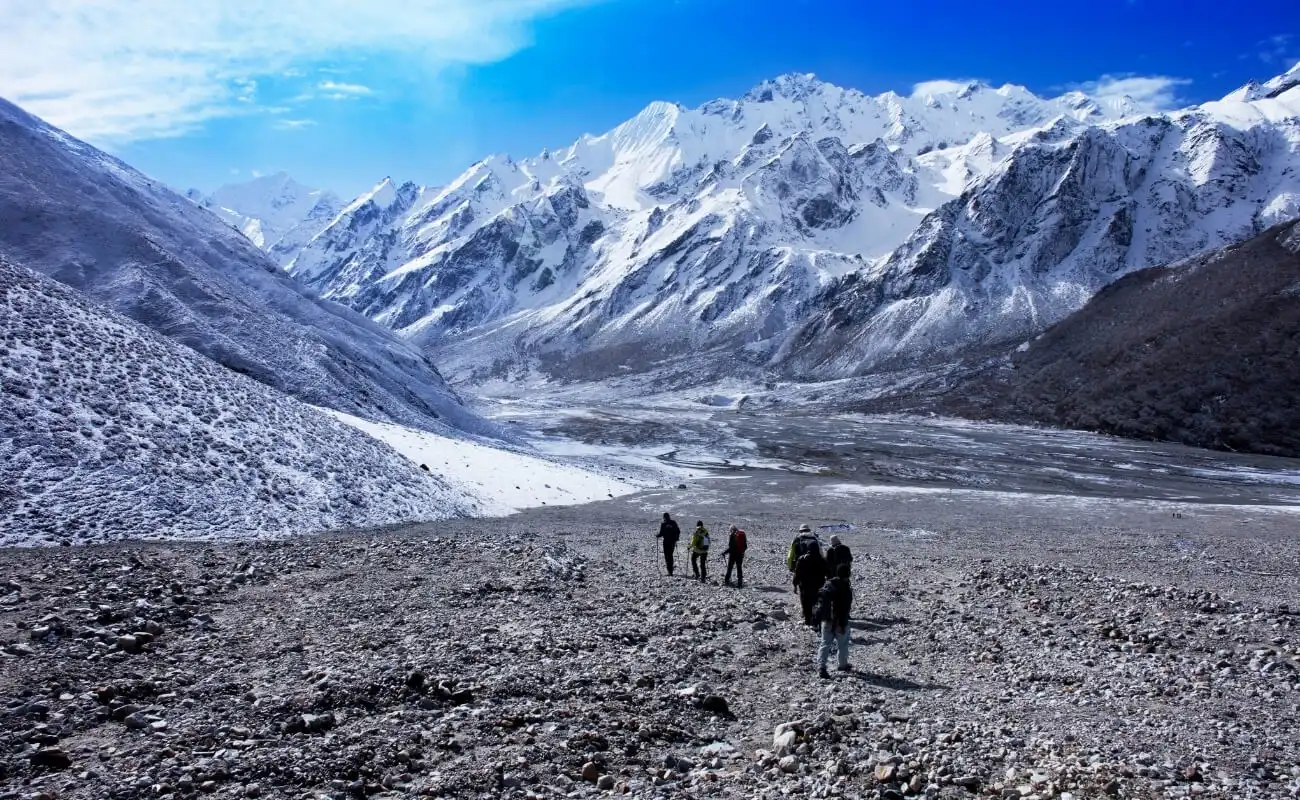 2 mandatory permits are required for the Langtang Valley Trek: the Langtang National Park Entry Permit and the TIMS Card. The combined permit cost is USD 45–55 per person for foreign nationals in 2026. No additional restricted-area permit is needed for the standard Langtang Valley route. Trekkers extending to Gosaikunda via Shivapuri Nagarjun National Park require a third permit at Shivapuri entrance. Trekkers extending to Gosaikunda via Shivapuri Nagarjun National Park require a third permit; per NTB's official fee schedule, foreign nationals currently pay NRs. 1,000 for this entry.
Which Permits Are Required?
Permit 1, Langtang National Park Entry Permit: This permit authorizes entry into Langtang National Park, which protects 1,710 square kilometres of Himalayan terrain including the Langtang Valley, Gosaikunda area, and Helambu. The permit is valid for the full duration of a single continuous trek and is checked at checkposts in Dhunche and Syabrubesi. Per the Nepal Tourism Board's official Park Entry Fees schedule, foreign nationals currently pay NRs. 3,000 per entry (SAARC nationals NRs. 1,500; Nepali citizens NRs. 100).
Permit 2, TIMS Card (Trekkers' Information Management System): The TIMS Card registers each trekker in Nepal's national safety tracking system. The database is designed to do exactly this: per TAAN, the joint NTB–TAAN authority behind TIMS, the system lets emergency responders identify how many trekkers are registered inside a given trekking area during accidents or natural calamities such as the 2015 earthquake.
The card records personal details, emergency contacts, and the trekking route.
Both permits are obtained from the Nepal Tourism Board headquarters in Bhrikutimandap, Kathmandu, or from TAAN offices in Kathmandu and Pokhara. The Dhunche checkpoint also issues the National Park permit if permits were not arranged in Kathmandu, though obtaining both in Kathmandu avoids delays at the trailhead.
How Much Does Each Permit Cost?
|
Permit |
Foreign Nationals |
SAARC Nationals |
Nepali Citizens |
|
Langtang National Park Entry Permit |
NPR 3,000 |
USD 10 (NPR 1,500) |
USD 1 (NPR 100) |
|
E-TIMS Card (All Trekkers) |
NPR 2,000 (~USD 15) |
NPR 1,000 (~USD 7) |
NPR 600 |
Documents required to obtain both permits: original passport, 2 passport-size photographs, and a completed application form. Agencies processing permits on your behalf require a passport copy and photos submitted 2–3 days before departure.
How Much Does Transportation to Langtang Cost?
Transport from Kathmandu to Syabrubesi (the Langtang trailhead) costs USD 10–200 per person, depending on the vehicle type and whether the journey is shared or private. The road distance is approximately 120 kilometres and takes 7–9 hours by local bus or 6–7 hours by 4WD jeep due to winding mountain roads in Rasuwa district.
What Does Travel from Kathmandu to Syabrubesi Cost?
4 transport options connect Kathmandu to Syabrubesi:
|
Transport Type |
One-Way Cost |
Duration |
Notes |
|
Local bus |
USD 10–15 per person |
7–9 hours |
Departs Machhapokhari bus station at 7:00 AM |
|
Tourist/deluxe bus |
USD 15–20 per person |
7–9 hours |
More comfortable seats, fewer stops |
|
Shared jeep |
USD 15–25 per seat |
6–7 hours |
Faster, fits 6–9 passengers |
|
Private jeep |
USD 150–200 total |
6–7 hours |
Full vehicle hire, best for groups of 4–6 |
Round-trip transport ranges from USD 20–30 by local bus to USD 300–400 by private jeep. The local bus is the most cost-effective option. The private jeep is the most time-efficient and comfortable, especially on the return journey when trekkers are fatigued.
Which Transportation Option Offers the Best Value?
The shared jeep delivers the best value-to-comfort ratio for most trekkers in 2026. At USD 15–25 per seat, it costs slightly more than the bus but reduces journey time by 1–2 hours and provides meaningfully better comfort on mountain roads. For a group of 4 or more, a private jeep matches or beats the shared jeep on per-person cost while offering the flexibility to stop at viewpoints, manage luggage easily, and depart on your schedule.
The local bus is the right choice for solo budget trekkers with flexible time and no luggage concerns. The full 7–9 hour journey on winding roads is tolerable with an early morning departure. One practical issue: bus seats fill at the terminal, so arriving by 6:30 AM secures a window seat and avoids standing on the most crowded sections.
How Much Should You Budget for Accommodation and Meals?
Daily accommodation and meal costs on the Langtang Valley Trek range from USD 25–55 per person, depending on altitude, lodge selection, and dietary preferences. Lower sections of the trail (Lama Hotel, Ghodatabela) are cheaper. Upper sections (Langtang Village, Kyanjin Gompa) are more expensive because all food and supplies must be carried up by porters.
What Are Typical Tea House Accommodation Costs?
Teahouses along the Langtang Valley route charge USD 5–20 per night for a basic twin or double room. The pricing structure follows altitude and trail section:
-
Syabrubesi (1,503m): USD 5–10 per night. Multiple lodges with good facilities.
-
Lama Hotel (2,480m): USD 5–8 per night. More basic rooms, shared bathrooms standard.
-
Ghodatabela (3,020m): USD 8–10 per night. Fewer lodges, limited hot water.
-
Langtang Village (3,430m): USD 10–15 per night. Rebuilt after 2015 earthquake, cleaner facilities.
-
Kyanjin Gompa (3,830m): USD 12–20 per night. Premium for attached bathroom options.
One insight that most trekking blogs miss: many teahouses offer free or discounted accommodation when trekkers agree to eat all meals at that same lodge. This arrangement reduces the room cost to USD 0–5 per night but commits you to that kitchen for 2–3 meals. For budget trekkers, this "eat here, sleep free" arrangement is a standard trail negotiation that can cut accommodation costs by 50–70%.
How Much Do Meals and Drinks Cost During the Trek?
Daily meal costs average USD 20–30 per person on the Langtang route. Individual meal and drink prices at typical mid-trail teahouses in 2026:
|
Item |
Lower Trail (up to 2,500m) |
Higher Trail (above 3,000m) |
|
Dal Bhat (set meal) |
USD 4–6 |
USD 7–10 |
|
Fried rice or noodles |
USD 4–6 |
USD 6–9 |
|
Eggs and toast (breakfast) |
USD 3–5 |
USD 4–7 |
|
Porridge or muesli |
USD 3–4 |
USD 4–6 |
|
Boiled water (per litre) |
USD 1 |
USD 1–2 |
|
Bottled water |
USD 1–2 |
USD 2–4 |
|
Tea or coffee |
USD 1–2 |
USD 2–3 |
|
Beer or soft drink |
USD 2–3 |
USD 3–5 |
Dal bhat is always the best-value meal on trail. Many lodges offer unlimited refills of dal bhat as part of the set price, making it the most calorie-efficient meal choice. Bottled beverages carry the steepest altitude premium, switching to boiled water or using purification tablets eliminates a USD 3–6 daily cost.
How Much Do Guides and Porters Cost?
A licensed trekking guide costs USD 25–35 per day on the Langtang Valley Trek. A porter costs USD 18–25 per day and carries up to 20–25 kilograms of gear. Both rates include the staff member's meals, accommodation, and basic insurance. The trekker pays these rates on top of their own trail expenses.
Is Hiring a Guide Worth the Cost?
Hiring a guide is no longer optional in 2026. The Nepal Tourism Board implemented mandatory guide regulations on April 1, 2023, requiring all foreign trekkers to hire a licensed guide on designated trekking routes, including Langtang Valley. This regulation formalized what responsible trekking agencies had already been recommending.
Beyond the legal requirement, a guide provides 4 documented benefits that directly affect cost and safety:
-
Navigation accuracy: The Langtang trail has multiple unsigned junctions above Lama Hotel where unmarked side trails lead to yak pastures or dead ends. A guide prevents time-wasting route errors.
-
Altitude awareness: Guides trained in altitude sickness recognition identify early symptoms before they progress to HACE (High Altitude Cerebral Edema) or HAPE (High Altitude Pulmonary Edema), conditions that require helicopter evacuation at USD 2,000–5,000.
-
Local pricing advantage: Experienced guides negotiate teahouse rates, especially during shoulder season, saving trekkers USD 50–150 over a 10-day itinerary.
-
Cultural access: Guides with Tamang heritage open doors to authentic cultural interactions, monastery access, and community homestays not available to solo trekkers.
A licensed guide costs USD 250–350 for a 10-day trek. A helicopter evacuation costs 10–20 times that amount. The cost-benefit calculation is straightforward.
How Much Does a Porter Cost Per Day?
Porters charge USD 18–25 per day on the Langtang route. Each porter carries a maximum of 20–25 kilograms. For a 10-day trek, one porter for two trekkers costs each person USD 90–125 total, roughly USD 9–12 per person per day when the cost is shared.
Ethical porter employment requires trekkers to ensure porters receive:
-
Adequate clothing for altitude and cold exposure (jacket, boots, gloves)
-
Accommodation in the same teahouse as the trekking group
-
Medical coverage in case of illness or injury
-
The agreed daily wage without deductions
The International Porter Protection Group (IPPG) publishes guidelines that form the standard for ethical porter employment in Nepal. Hiring through a registered agency provides documentary assurance that these standards are met.
Can You Trek Independently to Save Money?
Independent trekking was a viable cost-saving strategy prior to the April 2023 regulatory changes. The Nepal government's mandatory guide regulation removes this option for most foreign trekkers on the Langtang route. Independent trekking without a guide now carries a permit compliance risk at the multiple checkposts between Syabrubesi and Kyanjin Gompa.
Trekkers who had previous experience on the Langtang route or specific exemptions may still navigate this differently, but as of 2026, planning a Langtang trek assumes guide costs are mandatory and non-negotiable.
What Other Expenses Should You Expect?
Beyond permits and accommodation, trekkers budget an additional USD 150–300 for travel insurance, equipment rental, Wi-Fi and charging fees, bottled water, and tips for guides and porters. These excluded costs consistently add 15–25% to the total trek budget.
How Much Should You Budget for Travel Insurance?
Travel insurance with emergency helicopter evacuation coverage costs USD 80–150 for a standard 10–14 day Langtang Valley Trek. Basic travel insurance without evacuation coverage is available for USD 30–60 but provides insufficient protection in Nepal's mountain environment.
Helicopter evacuation from Kyanjin Gompa to Kathmandu costs USD 3,000–5,000. Most international health insurance policies do not cover high-altitude evacuation. A USD 100 insurance policy covering USD 5,000 in evacuation costs represents the highest-return expenditure in the entire trek budget. For a full breakdown of what to look for, see our guide on helicopter rescue insurance for Nepal treks.
Policy features to confirm before purchasing:
-
Helicopter rescue at altitudes above 4,000m
-
Medical treatment coverage in Kathmandu hospitals
-
Trip cancellation for weather-related delays
-
Coverage for trail accidents and injuries
What Are the Costs of Equipment Rental?
Trekkers without personal gear rent equipment in Kathmandu's Thamel district at daily rates of USD 1–5 per item. Key rental costs:
|
Equipment |
Daily Rental Rate |
10-Day Total |
|
Down jacket |
USD 2–4 |
USD 20–40 |
|
Sleeping bag (4-season) |
USD 2–3 |
USD 20–30 |
|
Trekking poles (pair) |
USD 1–2 |
USD 10–20 |
|
Backpack (60–70L) |
USD 2–3 |
USD 20–30 |
|
Trekking boots |
USD 2–4 |
USD 20–40 |
A full equipment rental package for a 10-day trek costs USD 90–160. Trekkers bringing their own gear from home eliminate this cost entirely but add weight to checked baggage on international flights.
How Much Should You Budget for Tips and Personal Expenses?
Tips for guides and porters are not included in any package price. The standard tipping convention in Nepal's trekking industry:
-
Guide tip: USD 80–120 for a 10-day trek (USD 8–12 per day)
-
Porter tip: USD 30–60 for a 10-day trek (USD 3–6 per day per porter)
-
Teahouse cook or staff tip: USD 5–20 total for exceptional service
Personal expenses include charging fees (USD 2–4 per device per charge), Wi-Fi access (USD 2–5 per connection), and any souvenirs or local products purchased in Kyanjin Gompa or Langtang Village. Budgeting USD 50–100 for personal and miscellaneous expenses across a 10-day trek is realistic.
How Can You Save Money on the Langtang Valley Trek?
Trekkers reduce costs by traveling in groups of 4 or more, taking the local bus to Syabrubesi, using water purification tablets instead of bottled water, and trekking in late November or early March when teahouse rates drop 15–20% below peak-season prices.
When Is the Most Affordable Time to Trek?
The monsoon season (June–August) delivers the lowest prices across all expense categories. Teahouse rates drop 20–30%, agency packages carry significant discounts, and transport demand decreases. The trade-off is trail difficulty, reduced visibility, and increased landslide risk on the road to Syabrubesi.
November and early December offer a practical middle ground: autumn peak-season crowds thin significantly after mid-November, lodge availability improves, and some teahouses begin offering early-winter discounts while conditions remain trekable. January–February is genuinely cold but quiet, and trekkers with proper insulation can complete the route at off-season rates.
How Can You Reduce Trekking Costs Without Sacrificing Safety?
6 cost-reduction strategies that do not compromise safety:
-
Travel in a group: 4 trekkers sharing a guide, a porter, and a private jeep cut per-person guide and transport costs by 50–60%.
-
Take the local bus: Saves USD 5–15 versus tourist buses or shared jeeps on the Kathmandu–Syabrubesi route.
-
Use water purification tablets or a filter: Eliminates USD 3–6 per day in bottled water costs.
-
Eat dal bhat twice daily: The cheapest, highest-calorie meal on trail, often served with unlimited refills.
-
Book permits directly: The Nepal Tourism Board issues permits at fixed government rates. Some agencies add a service fee of USD 5–15 for permit processing.
-
Trek during shoulder season: Late November or early March deliver stable weather with 15–20% lower accommodation costs than peak October–November or April–May.
Should You Book a Package or Plan Everything Yourself?
Booking through a registered Nepal trekking agency is more cost-effective than most first-time trekkers expect. A well-structured agency package includes guide costs, permits, accommodation, meals, and transport for a bundled price that often equals or undercuts the sum of individually arranged expenses.
The planning-yourself approach delivers savings in 2 specific scenarios:
-
Repeat trekkers with established guide relationships who rehire known guides at direct daily rates.
-
Groups of 6 or more where the fixed guide and porter costs represent a small fraction of the total group budget.
For first-time Langtang trekkers, a registered agency package reduces logistical complexity, ensures ethical staffing practices, and often includes free itinerary adjustments for weather delays.
How Does the Langtang Valley Trek Cost Compare With Other Popular Treks?
The Langtang Valley Trek costs USD 650–1,800, making it the most affordable of Nepal's 3 major trekking routes. Everest Base Camp costs USD 1,200–3,000 due to mandatory domestic flights, and Annapurna Base Camp costs USD 600–1,800 but requires additional transport from Kathmandu to Pokhara.
How Does It Compare With the Everest Base Camp Trek?
The Everest Base Camp Trek costs USD 1,200–3,000+ per person for a 14-day guided itinerary. The Langtang Valley Trek costs USD 650–1,800 for 7–12 days. The primary cost driver separating the two routes is the domestic flight requirement for EBC.
A Lukla round-trip flight from Kathmandu costs USD 350–550 per person. Every supply reaching Everest Base Camp above Namche Bazaar arrives by porter or helicopter, raising teahouse prices by 30–60% versus equivalent lodges on the Langtang route. A dal bhat that costs USD 5–7 in Langtang Village costs USD 10–14 at Gorak Shep.
For trekkers with a fixed budget under USD 1,000, the Langtang Valley delivers comparable Himalayan scenery, high-altitude landscapes, and glacier views without the flight cost or elevated supply-chain prices. EBC remains the more iconic brand name in trekking, but Langtang offers superior value per dollar spent.
How Does It Compare With the Annapurna Base Camp Trek?
The Annapurna Base Camp Trek costs USD 600–1,800 for a 9–14 day itinerary, placing it in the same price range as Langtang. The key cost difference: Annapurna requires a flight or long bus journey from Kathmandu to Pokhara, adding USD 25–100 per person to the transport budget.
Annapurna also carries higher permit costs. The Annapurna Conservation Area Permit (ACAP) costs USD 30, and the TIMS Card adds another USD 10–20, for a combined permit cost of USD 40–50, comparable to Langtang but covering a much larger permit area.
Langtang attracts an estimated 15,000–33,000 international trekkers per year, versus a record 508,476 foreign tourists ACAP reported for the Annapurna Conservation Area in fiscal year 2025–26, a gap even wider than commonly cited.
Lower foot traffic on Langtang means less demand-driven price inflation, quieter teahouses, and a more authentic community experience at equivalent or lower cost.
How Should You Choose a Langtang Valley Trek Package?
A trustworthy Langtang Valley Trek package demonstrates 5 verifiable characteristics:
-
Registered agency status: Verify Tourism Board of Nepal registration. Licensed agencies carry a registration certificate and can provide their TAAN membership number.
-
Detailed written inclusions list: The package clearly states what is and is not included. Vague language like "accommodation included" without specifying the standard is a red flag.
-
Guide credentials: The guide holds a valid government-issued trekking guide license from the Nepal Tourism Board (NTB) or the Nepal Academy of Tourism and Hotel Management (NATHM), and has demonstrable Langtang route experience.
-
Porter protection policy: The agency confirms porters receive warm clothing, health insurance, fair wages, and teahouse accommodation matching the trekking group's standard.
-
Flexible cancellation or itinerary adjustment terms: Mountain weather creates genuine delays. A reputable agency builds itinerary flexibility into the contract rather than penalizing weather-related changes.
Price alone is an unreliable quality signal. The cheapest packages consistently cut costs by reducing guide quality, using unregistered porters, or eliminating teahouse meals in favor of self-catering arrangements that increase the trekker's logistical burden.
Can Our Trekking Agency Help You Plan a Cost-Effective Langtang Valley Trek?
Our trekking agency specializes in transparent, customizable Langtang Valley Trek packages designed for trekkers at every budget level. Our approach covers 3 practical planning services that remove the most common sources of cost uncertainty:
-
Accurate pre-trip budgeting: We provide a full written cost breakdown before you book, including all permit fees, transportation options, guide and porter rates, and expected daily trail expenses. No hidden charges surface after departure.
-
Licensed guide matching: Every guide assigned to a Langtang Valley Trek holds a government-issued NTB or NATHM license and has a minimum of 3 documented Langtang seasons. Language competency, first aid certification, and cultural knowledge form the baseline requirements.
-
Flexible itinerary options: We build Langtang Valley Trek itineraries across the 7-day, 10-day, and 12-day formats with transparent per-option pricing, so you select the duration that fits your schedule and budget before committing.
Reach out to our trekking agency to receive a detailed, itemized cost estimate for your Langtang Valley Trek package based on your travel dates, group size, and preferred trekking style.
What Are the Key Takeaways About Langtang Valley Trek Costs?
The Langtang Valley Trek offers the best cost-to-experience ratio among Nepal's 3 major trekking destinations, Everest, Annapurna, and Langtang. The absence of domestic flights, accessible road transport from Kathmandu, and lower trail supply costs produce a 7–12 day high-altitude Himalayan experience at USD 650–1,800 per person.
7 essential cost facts for 2026:
-
Total cost range: USD 650–1,800 depending on trekking style and duration.
-
Mandatory permit cost: Mandatory permit cost: Approximately USD 42 for foreign nationals (National Park Permit + E-TIMS Card, subject to minor exchange rate fluctuations).
-
Transport to trailhead: USD 10–200 per person (local bus to private jeep).
-
Daily trail cost: USD 40–90 per person including accommodation, meals, and guide share.
-
Guide requirement: Mandatory per April 2023 Nepal Tourism Board regulations; costs USD 25–35 per day.
-
Travel insurance: USD 80–150 required; helicopter evacuation coverage is non-negotiable.
-
Best-value season: Late November and early March balance stable weather with off-peak pricing.
The Langtang Valley Trek rewards careful pre-trip budgeting. Every major cost category, permits, transport, accommodation, meals, and guide services, carries a predictable price range. Trekkers who plan permit costs, guide fees, and personal trail expenses accurately before departure consistently complete the route without budget stress.
More About Author

Khilak Budhathoki
Travel Director
Khilak Budhathoki is the co-founder and lead trekking guide at Himalaya Trekking Nepal, a locally owned and operated adventure company based in Kathmandu. Born and raised in the foothills of Nepal, Khilak developed a deep love for the mountains from an early age. With over a deca...

USD$850 pp
Our Recommendation
Related Blogs
Feb 08, 2026
Pokhara 2026: Top Attractions & Adventure Tips

Dec 10, 2025
Best Time for Langtang Valley Trek in 2026
