- 30, Mar 2026 | Khilak Budhathoki
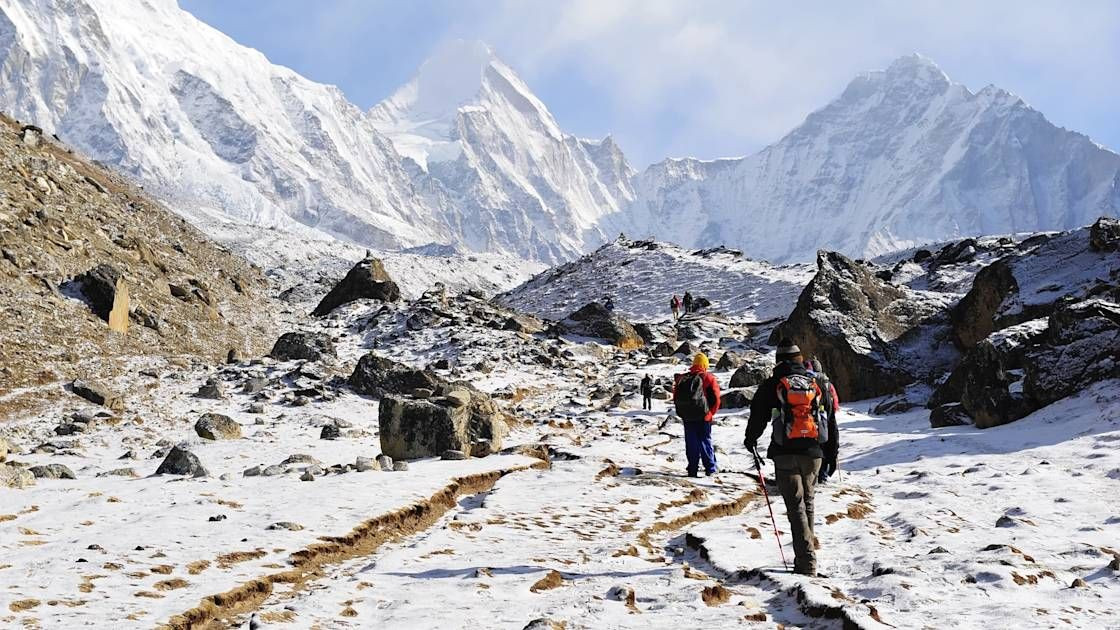
Ghorepani is one of those places that looks small on a map but is full of experiences. People often call it the natural balcony of the Himalayas because it is 2,874 meters high. Once you see the views, you'll understand why.
Many trekkers say this is the highest ROI trek in Nepal because you can see huge peaks like Annapurna I and Dhaulagiri in just 2–3 days of walking. You don't have to hike for weeks to see beautiful mountains; they're all right here.
Ghorepani is located at 28.4000° N, 83.7000° E in Myagdi District, in the beautiful Annapurna Conservation Area (ACAP), which is surrounded by forests, hills, and traditional villages.
Things have changed a little bit in the last few years. As of 2026, trekking here will be different. You'll need to go with a licensed guide, and the e-TIMS digital system will keep track of your journey for safety.
It may seem harsh, but it really makes everything safer and more organised. Ghorepani is like the Himalayas without the long, tiring trip. It's like getting the best view with less work, but now with better safety.
Where is Ghorepani located?
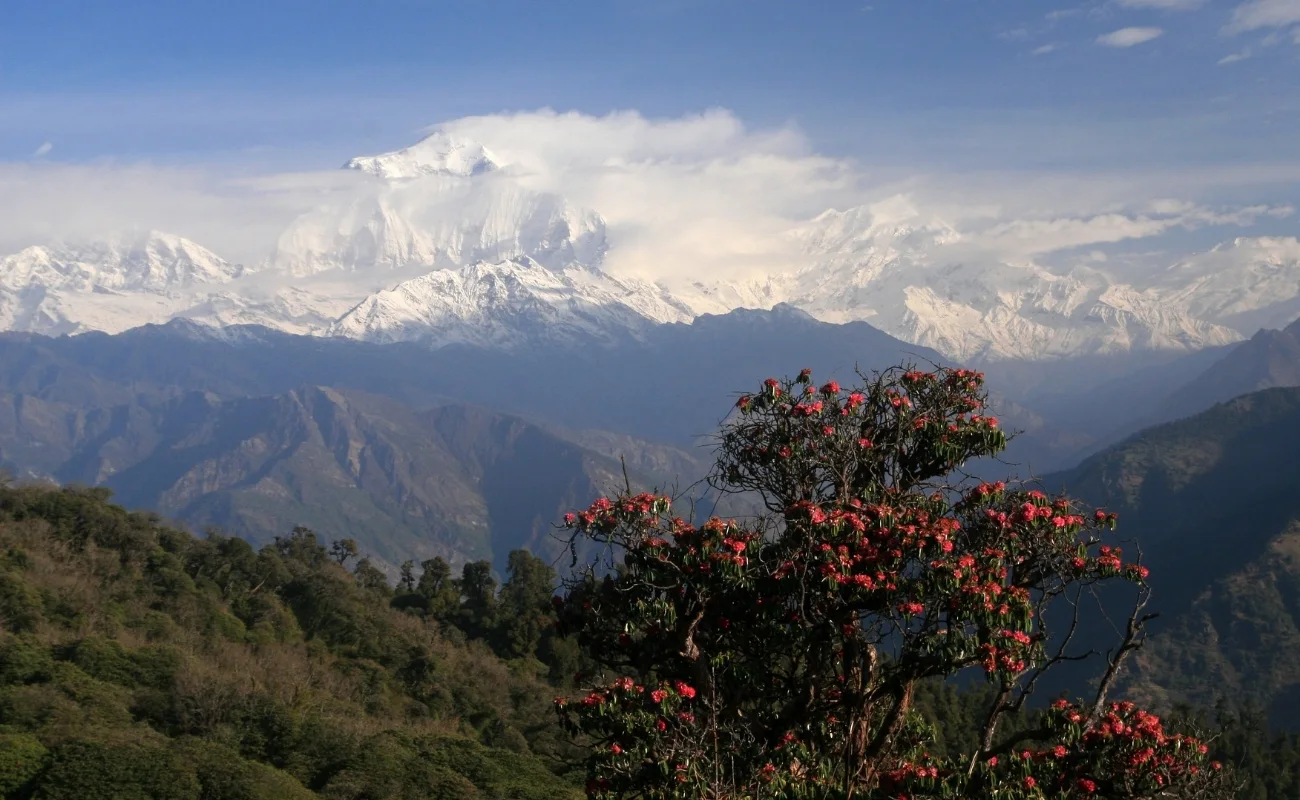
Ghorepani is high up in the Annapurna region of Nepal, on a mountain saddle, which is a natural ridge that connects two valleys. The peaceful Modi Khola valley is on one side, and the deep Kali Gandaki Gorge is on the other.
The gorge is one of the deepest in the world. Ghorepani is a natural viewpoint because of its unique location, with wide and open views of the Himalayas.
From an administrative point of view, it is in the Myagdi District, which is part of the protected Annapurna Conservation Area (ACAP). Because it was on this ridge, it used to be an important stop for traders and trekkers alike.
The name Ghorepani has its own unique story. The words Ghora and Pani in Nepali mean horse and water, respectively. Ghorepani is a simple term that means a place where horses drink water.
This name isn't just a guess. Long ago, this village was an important stop on the old Tibetan salt trade route. Traders who were going between Tibet and Nepal would stop here to rest and give their horses water before continuing their journey through the mountains.
How do you get to Ghorepani Village?
It's not just about getting to Ghorepani; it's about enjoying each step of the way. Each option, walking, riding, or flying, gives you a different experience. Let's make it simple and useful.
|
Route |
Duration |
Effort Level |
Best For |
|
Nayapul (Ulleri) |
2 Days |
High (3k+ steps) |
Traditionalists / Fitness |
|
Ghandruk Loop |
3 Days |
Moderate |
Nature & Culture Lovers |
|
Jeep (to Hile) |
1 Day |
Low |
Families / Time-poor |
|
Helicopter |
20 Mins |
Zero |
Luxury / Photography |
By Foot (The Classic Trekking Routes)
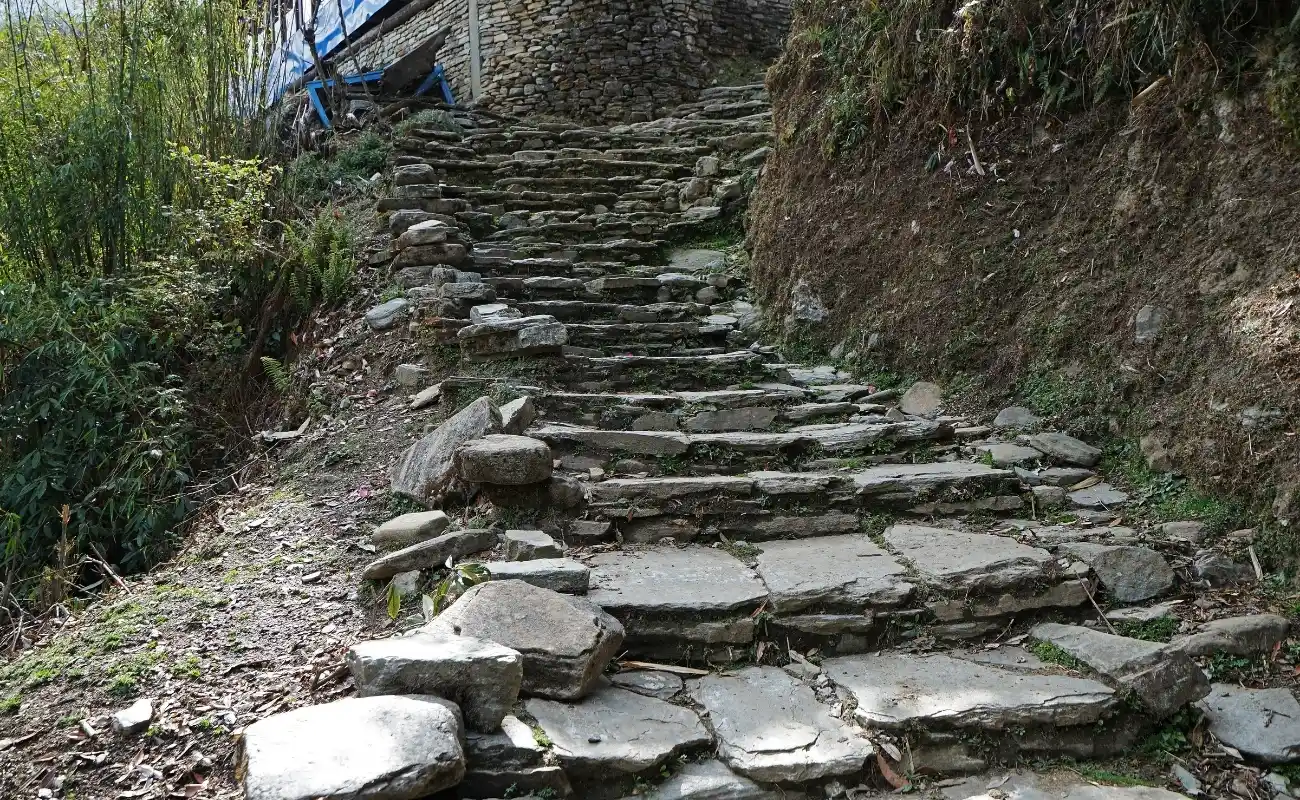
This is the most common and real way to get to Ghorepani. Walking is the best way to really feel the mountains.
Route A: From Nayapul (through Ulleri) – The Main Entrance
-
Most trekkers come in through this route, which is like the front door to Ghorepani.
-
Begin your trip in Nayapul and walk through Tikhedhunga.
-
The famous 3,286 stone steps to Ulleri are the best part. You climb about 500 meters up, which can be hard but is worth it.
-
You pass through villages, rivers, and local teahouses along the way.
Expert Tip: The 3,286 stone steps to Ulleri are a "knee-killer." If you have weak joints, use trekking poles and focus on a "slow and steady" rhythmic breath. Don't race; the view isn't going anywhere!
Route B: The Scenic Trail from Ghandruk (through Tadapani)
This path is quieter and more peaceful, making it great for people who love nature.
-
It starts in Ghandruk and goes through Tadapani.
-
It goes about 14 km.
-
Walk through green hills and beautiful rhododendron forests.
-
Not as many people on this route as on the Ulleri route.
By Jeep (The 2026 Shortcut)
The jeep option is a good one if you want to save time or not have to walk for long periods of time.
-
Drive a 4WD jeep from Pokhara to Hile or Ulleri.
-
The road will reach Hile by 2026, so you won't have to walk from Nayapul through the dust.
-
This could cut your hiking time by 4 to 6 hours.
-
Great for families, beginners, or short trips
By Helicopter (the quickest way)
This is the fastest and most comfortable way to get to Ghorepani. If you want to skip the trip and go straight to the highlight, this is the best way to do it.
-
Take a flight from Pokhara International Airport to Ghorepani.
-
The flight takes about 15 to 20 minutes.
-
Gives you amazing views of the mountains from above
-
Best for people who want to travel in style or don't have much time
What Accommodation and Facilities Are Available at Ghorepani Village?
Ghorepani has simple but comfortable places to stay that are mostly for trekkers. You won't find fancy hotels like you would in a city, but the village has everything you need after a long day on the trail.
It has a practical system that works well in the mountains, with comfortable rooms and basic services.
The Teahouse Ecosystem
Ghorepani's places to stay are based on the teahouse system. Local families run these small lodges. There are budget rooms with shared bathrooms and more comfortable "premium" rooms with attached bathrooms and even electric blankets.
The setup is easy, but it looks nice and welcoming. After a long hike, even a simple bed feels like a treat.
How to connect in 2026
You can stay connected, but it's not always perfect. In Ghorepani, both Ncell and NTC offer 4G service, but the signal may be weak or unstable depending on the weather.
Many high-end lodges started using Starlink as a backup internet source in 2026. This helps keep connections going even when the weather is bad. Most lodges have Wi-Fi, but you usually have to pay for it, and it's not very fast.
Power and Charging
Most teahouses have electricity, but there are some restrictions on how you can use it. The most common types of power sockets in Ghorepani are Type C and Type D, which have round pins.
While many lodges now offer 24/7 charging, remember that power is often solar-dependent. If it's been cloudy for three days, be mindful of your usage to ensure everyone has enough for their headlamps.
Charging your phone or other devices isn't always free, and the power may come from solar panels or local systems. It's a good idea to have a power bank and a universal adapter with you.
Costs on Average for Facilities
In Ghorepani, you must pay extra for additional services. A hot shower costs about NPR 500 most of the time. It can cost between NPR 200 and 300 to charge your devices.
You also have to pay for Wi-Fi, which costs between NPR 300 and 500. These prices may change a little depending on the lodge and the time of year, but this gives you a good idea of what to expect.
Weather and Climate Conditions in Ghorepani Village
The weather in Ghorepani is not fixed like a timetable, it behaves more like a mountain “mood.” One moment it feels warm and clear, and the next it turns cold and cloudy. To truly understand it, you need to look at three simple things: the daily rhythm, the seasonal changes, and how the air actually feels on your body.
The Daily Rhythm: The 24-Hour Cycle
In Ghorepani, the weather follows a very natural pattern throughout the day. Mornings are usually calm and clear, giving you the best chance to enjoy mountain views. As the day moves forward, clouds begin to rise, and by afternoon, visibility often drops due to fog or cloud cover.
Once the sun sets behind the hills, temperatures fall quickly, and the cold becomes more noticeable within a short time.
Key Points:
-
Morning (Golden Window): Clear skies, calm air, best mountain views (before 10 AM)
-
Afternoon (Build-Up): Clouds and fog roll in, views get blocked
-
Night (Deep Chill): Temperature drops quickly after sunset
Seasonal Changes: The Best Times to Visit Ghorepani
While the mountains remain the same, the weather changes a lot with each season. Some seasons offer clear views, while others bring color, snow, or rain. Choosing the right time can completely change your trekking experience.
Autumn (September to November) is considered the best time to visit Ghorepani and is often called the “gold standard” trekking season. During this period, the weather is stable, with clear blue skies and excellent mountain visibility. Daytime temperatures usually range between 10°C and 15°C, while nights can drop to around 0°C. The post-monsoon air is fresh and clean, making it ideal for panoramic views, especially from Poon Hill.
Spring (March to May) is another popular season, especially for nature lovers. The trails come alive with blooming rhododendron forests, Nepal’s national flower, creating a colorful and vibrant trekking environment. Temperatures are slightly warmer, ranging from 15°C to 20°C during the day and around 5°C at night. While mornings are generally clear, there can be some haze or mist in the afternoons, slightly affecting mountain visibility.
Winter (December to February) offers a completely different experience. It is the coldest season, with daytime temperatures between 5°C and 10°C and nighttime temperatures dropping as low as -5°C. Snowfall is common, covering the trails and surrounding landscapes in white. Although the views can still be beautiful, trekking becomes more challenging due to freezing conditions and limited facilities in some teahouses.
Monsoon (June to August) is the least recommended time to visit Ghorepani. The region experiences heavy rainfall, making trails wet, muddy, and slippery. Daytime temperatures can exceed 20°C, with nights around 12°C, but high humidity makes the air feel heavier. Clouds often block mountain views, and trekkers may encounter leeches along forest trails. However, the landscape turns lush and green, offering a quieter and less crowded experience for those who don’t mind the rain.
The “Real Feel” Factors: What Changes Everything
The temperature you see on a thermometer is not the full story in Ghorepani. The actual feeling depends on a few hidden factors that can make the weather feel warmer or colder than expected.
Key Points:
Sun Factor:
-
Direct sunlight feels warm, almost like summer
-
Step into shade, and it suddenly feels cold
Wind Chill:
-
Strong winds remove body heat quickly
-
Even a mild day can feel freezing with wind
Humidity:
-
Spring has moist air, making cold feel heavier
-
Autumn has dry air, making it easier to stay warm
Experience the "Golden Hour" over Dhaulagiri and Annapurna for yourself. Our 3-day itineraries are optimized for the best lighting and the fewest crowds.
Things to Do in Ghorepani
Ghorepani is one of those places where you can always find something new to do. It's not about moving quickly from one place to another. It's about taking your time, looking around, and enjoying the moment. Let's look more closely at what makes this village so special.
1. The Moment Everyone Has Been Waiting For: Poon Hill Sunrise (3,210m)
This is not just a viewpoint; it's why a lot of people come here. You get up early, usually between 4 and 5 AM, and walk uphill in the dark with a headlamp. It is cold outside, and the silence feels strong. The sky slowly changes from black to orange as you get to the top. After that, the magic happens.
-
Dhaulagiri I (8,167m) is the first to light up. It's big and bold.
-
Annapurna South (7,219m) comes next, shining like gold.
-
The whole Himalayan range slowly comes to life.
-
It's like watching the mountains come to life a view that you'll only see once in your life.
Tip: To capture the Dhaulagiri panorama without 'blown-out' whites, underexpose your shot by -0.7 EV. The morning sun on snow is incredibly bright, and this keeps the mountain textures sharp.
2. Rhododendron Forest Immersion: Walking Through Nature's Garden
Ghorepani is in a big forest of Lali Gurans, which is Nepal's national flower. The trail comes to life in the spring. But it's not just about flowers.
-
The forest is cool, fresh, and peaceful.
-
Moss covers the trees, making them look magical.
-
Birds and sounds from nature make the walk relaxing.
-
It's not just a walk; it's good for your mind.
3. Cultural Exchange: Meet the Heart of the Mountains
The Magar and Gurung communities live in the village. People say these people are nice and live simply. You don't just stay in a teahouse; you connect with other people.
-
You eat meals that families in the area have made.
-
You hear stories about life in the mountains.
-
You can see how people are happy with less.
-
It reminds you that you don't always need luxury to be happy.
4. Mountain Photography: Get the Perfect Picture
Ghorepani is a great place for photographers, no matter what kind of camera they use. One of the best things to see is Machhapuchhre (6,993 m), which is also called the "Fishtail" because of its shape.
-
Get up early to see soft golden light.
-
Add depth with the foreground (trees, trails).
-
Don't just shoot from one place; try different angles.
-
The mountains change all the time, so be ready to take pictures.
5. Gastronomy: Simple Food, Big Happiness
The food in Ghorepani is simple, but it tastes great after a long hike.
-
You have to try the apple pie (Ghorepani Apple Pie). It's warm, soft, and a little sweet.
-
Gurung Bread adds a local flavor to your food.
-
Dal Bhat fills you up and gives you energy for the next day.
-
Even the simplest meal feels like a feast after a long hike.
Read Also: How to choose between Annapurna Base Camp and Ghorepani Poon Hill?
Final Thoughts
Ghorepani may be a small village in the mountains, but it offers a complete trekking experience in a short time. From peaceful forests and warm local culture to the famous Poon Hill sunrise, every moment feels simple yet meaningful.
It may not offer luxury, but it gives you something far more valuable: fresh air, a peaceful environment, and a true connection with nature.
If you plan ahead, pack the right gear, and choose the right season, your journey will be smooth and enjoyable. As the saying goes, simple places often create the best memories, and Ghorepani is a perfect example of that.
Trekking in 2026? We’ve Got You Covered.
With Nepal’s new mandatory guide regulations and e-TIMS requirements, planning a trek can feel overwhelming. Our team handles every permit, insurance detail, and licensed guide booking so you can step onto the trail with total confidence.
Contact Himalaya Trekking Nepal
FAQs
How difficult is the Ghorepani Poon Hill Trek?
The trek is considered moderate. It is suitable for beginners with average fitness levels.
Can I trek to Ghorepani solo in 2026?
No. According to the 2026 update, licensed guides are now mandatory for all foreign trekkers per Nepal Tourism Board (NTB) rules.
What is Ghorepani famous for?
Ghorepani is famous for its panoramic sunrise views from Poon Hill and its ancient history as a stop on the Himalayan salt trade route.
How far is Ghorepani from Ghandruk?
The walk takes approximately 6–8 hours via the village of Tadapani.
What permits are required in 2026?
You need the ACAP Permit (NPR 3,000) and the e-TIMS (NPR 2,000). Note: Not required for Nepali Ctizen
Is there an ATM in Ghorepani?
No, the last reliable ATMs are in Pokhara. While some lodges may accept digital payments (Fonepay) in 2026, a 15% service fee is common, and cash is still required for permits and small snacks.
What gear is essential for Ghorepani in 2026?
Essential gear includes layered clothing (for cold mornings), sturdy hiking boots, a headlamp for the sunrise hike, and a reusable water bottle with purification tablets.
How do I book a licensed guide online?
You can book a licensed guide through registered trekking agencies in Nepal. Ensure the agency is authorized to issue the mandatory 2026 e-permits and insurance for the guide.
What are the hidden viewpoints or secret trails near Ghorepani?
Mulde Peak and Mohare Danda are excellent "hidden" alternatives that offer similar or higher views with fewer crowds than the main Poon Hill trail.
When is the best time for rhododendron photography in Ghorepani?
The best time is during the spring season, specifically from late March to mid-April, when the forests are in full bloom.
Can I hire a porter instead of a guide to meet the 2026 requirement?"
No. According to the 2026 Nepal Trekking Regulations, you must have a licensed guide. While many guides also act as porters (Porter-Guides), a basic porter without a trekking license does not fulfill the legal safety requirement for foreign trekkers.
More About Author

Khilak Budhathoki
Travel Director
Khilak Budhathoki is the co-founder and lead trekking guide at Himalaya Trekking Nepal, a locally owned and operated adventure company based in Kathmandu. Born and raised in the foothills of Nepal, Khilak developed a deep love for the mountains from an early age. With over a deca...
USD$1,400 pp
Our Recommendation
Related Blogs