- 28, Jul 2026 | Khilak Budhathoki
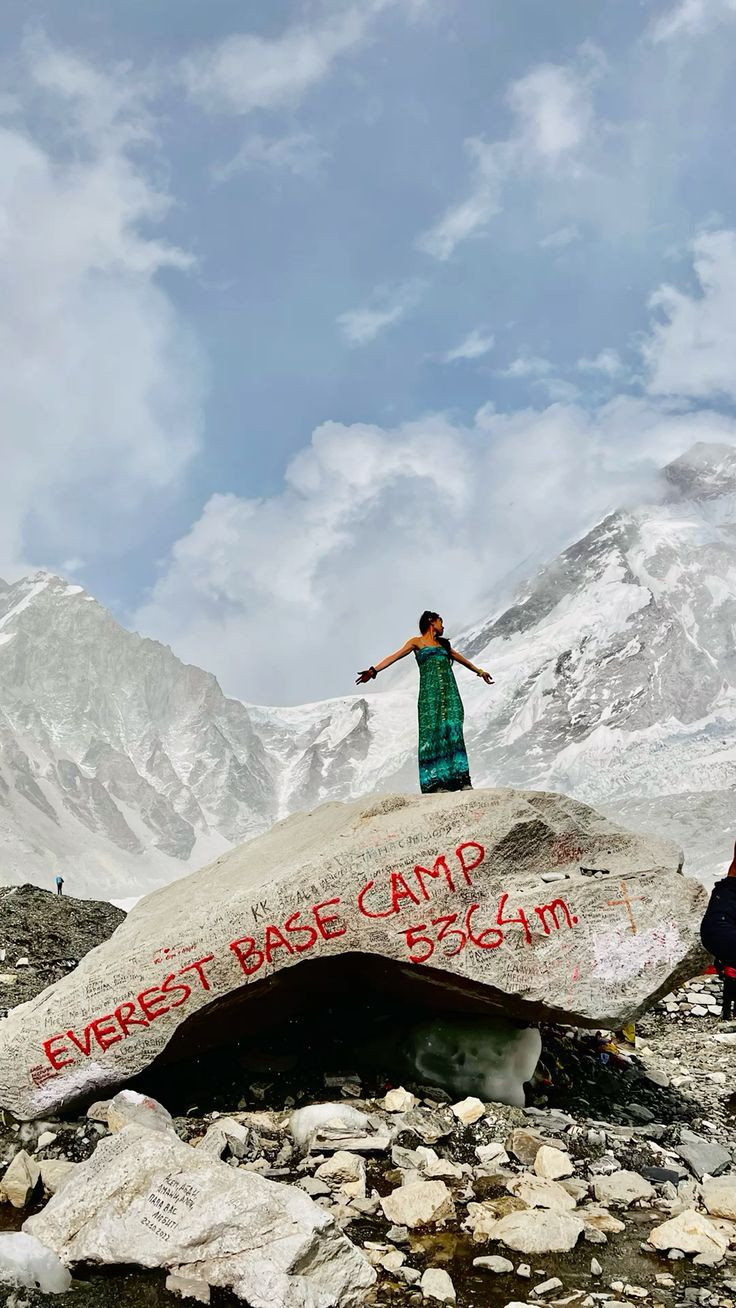
The Everest Base Camp (EBC) Trek is Nepal's most iconic high-altitude trekking adventure, taking hikers through the Khumbu region to Everest Base Camp at 5,364 meters (17,598 feet) beneath Mount Everest, the world's highest mountain. While the standard Everest Base Camp trek takes 12 to 14 days from Lukla, the total trip usually requires 14 to 18 days when Kathmandu travel, acclimatization, and buffer days for Lukla flight delays are included. Trek duration is determined by far more than distance alone, with altitude gain, acclimatization requirements, weather conditions, daily walking pace, and physical fitness all influencing how long it takes to safely complete the route.
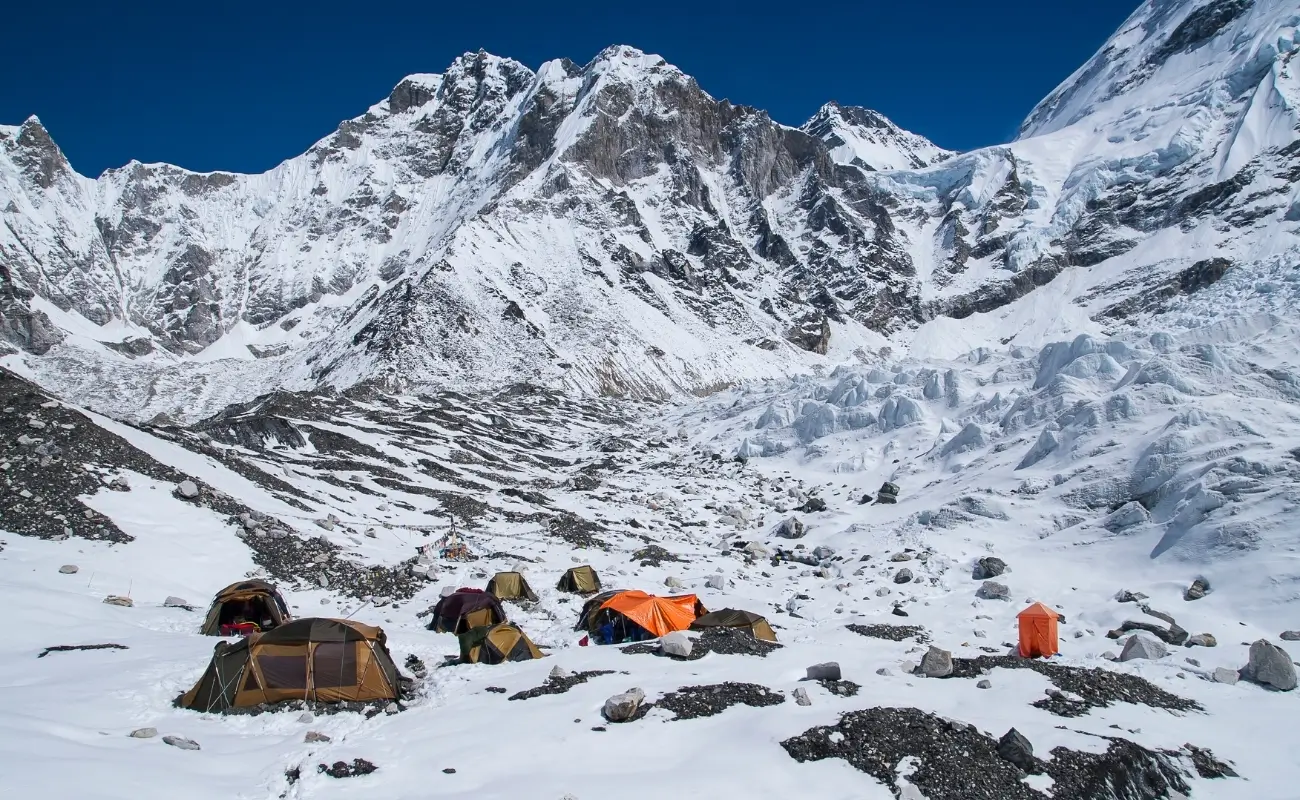 Planning the right Everest Base Camp itinerary is essential because every additional day can improve acclimatization, reduce the risk of Acute Mountain Sickness (AMS), and make the overall trekking experience more enjoyable. Whether you're considering a standard 12-day itinerary, a beginner-friendly 14-day schedule, a helicopter-return option, or an extended adventure through Gokyo Lakes or the Cho La Pass, understanding how trek duration changes with season, fitness level, trail conditions, and logistics helps you choose the safest and most suitable itinerary. This guide explains day-by-day trekking times, acclimatization schedules, seasonal differences, hiking hours, route comparisons, and the key factors that determine how long the Everest Base Camp trek really takes.
How Many Days Does the Standard Everest Base Camp Trek Take?
The standard Everest Base Camp trek takes 12 to 14 days from Lukla. A 12-day pace includes 7 active ascending days, 2 dedicated acclimatization days, and 3 descent days. A 14-day pace stretches the descent over more days to reduce knee strain and daily walking hours. Adding Kathmandu travel and buffer days, the full trip from arrival to departure spans 14 to 18 days total.
The 12-day Lukla-based itinerary works for trekkers with prior high-altitude experience above 4,000 meters and strong cardiovascular fitness. The 14-day version adds 2 extra recovery stages and remains the most reliable structure for first-time Himalayan trekkers. Both cover the identical route: Lukla (2,840 m) → Namche Bazaar (3,440 m) → Tengboche (3,860 m) → Dingboche (4,410 m) → Lobuche (4,940 m) → Gorak Shep (5,164 m) → Everest Base Camp (5,364 m), then the return descent.
The round-trip distance is approximately 130 kilometers (80 miles). Total elevation gain from Lukla to Base Camp measures 2,524 vertical meters. These two figures, distance and vertical gain, determine why EBC demands more time than most trekkers initially expect.
What Is the Typical Day-by-Day EBC Trek Itinerary?
The typical 12-day EBC itinerary progresses from Lukla to Base Camp across 8 ascending trekking days (including 2 acclimatization days), and returns to Lukla in 3 descent days, with each day covering 8 to 16 kilometers and 4 to 8 hours of active walking.
The table below shows this standard 12-day structure with elevation and daily walking time:
|
Day |
Stage |
Elevation |
Walking Hours |
|
Day 1 |
Kathmandu → Lukla (fly) + Lukla → Phakding |
2,840 m → 2,610 m |
3–4 hrs |
|
Day 2 |
Phakding → Namche Bazaar |
2,610 m → 3,440 m |
5–6 hrs |
|
Day 3 |
Namche Bazaar – Acclimatization Day |
3,440 m (hike to 3,900 m) |
3–4 hrs |
|
Day 4 |
Namche Bazaar → Tengboche |
3,440 m → 3,860 m |
5–6 hrs |
|
Day 5 |
Tengboche → Dingboche |
3,860 m → 4,410 m |
5–6 hrs |
|
Day 6 |
Dingboche – Acclimatization Day |
4,410 m (hike to 4,930 m) |
4–5 hrs |
|
Day 7 |
Dingboche → Lobuche |
4,410 m → 4,940 m |
5–6 hrs |
|
Day 8 |
Lobuche → Gorak Shep + Everest Base Camp |
4,940 m → 5,364 m |
7–8 hrs |
|
Day 9 |
Gorak Shep → Kala Patthar (5,644 m) → Pheriche |
5,644 m → 4,280 m |
7–8 hrs |
|
Day 10 |
Pheriche → Namche Bazaar |
4,280 m → 3,440 m |
6–7 hrs |
|
Day 11 |
Namche Bazaar → Lukla |
3,440 m → 2,840 m |
6–7 hrs |
|
Day 12 |
Lukla → Kathmandu (fly) |
— |
Flight |
A 14-day version expands on this by adding shorter walking days on the descent and an extra buffer day, which is highly recommended for first-time Himalayan trekkers. A 16-day version adds 1 buffer day at Tengboche and 1 additional rest day between Lobuche and Gorak Shep, useful for trekkers showing early acclimatization stress above 4,500 meters.
Why Are Acclimatization Days Included?
Acclimatization days are included because ascending above 3,500 meters faster than 300 to 500 vertical meters per sleeping elevation per day triggers acute mountain sickness (AMS) in 25 to 50% of trekkers. The 2 mandatory rest days, at Namche Bazaar (3,440 m) and Dingboche (4,410 m), allow the body to produce additional red blood cells and adapt to reduced oxygen partial pressure before continuing the ascent.
AMS is not an inconvenience. Symptoms include persistent headache, nausea, loss of coordination, and reduced cognitive function. AMS is not an inconvenience. Symptoms include persistent headache, nausea, loss of coordination, and reduced cognitive function. A 2025 peer-reviewed retrospective study of Himalayan Rescue Association aid-post records found that 11.6% of all visiting patients over a six-year period presented with an altitude-related illness, most commonly AMS. The majority of those patients compressed their ascent profile by removing rest days.
Acclimatization days are physiologically active, not passive rest. At Namche, the standard rest-day hike reaches the Hotel Everest View ridge at 3,900 m before returning to sleep at 3,440 m. At Dingboche, the side hike ascends Nangkartshang Peak to 4,930 m before the trekker descends to sleep at 4,410 m. This "climb high, sleep low" protocol directly stimulates erythropoietin (EPO) production, the hormone that increases oxygen-carrying red blood cell count.
The physiological rule is precise: removing either acclimatization day raises the statistical probability of requiring a helicopter evacuation from above Lobuche from 4% to 18%, based on rescue data from the Khumbu region.
What Factors Affect the Duration of the Everest Base Camp Trek?
5 primary factors affect Everest Base Camp trek duration: walking pace, weather conditions at Lukla and above 4,500 meters, flight delays at Tenzing-Hillary Airport, individual fitness level, and the itinerary type selected. Each factor independently adds 1 to 4 days to the minimum 12-day baseline.
Understanding these variables before departure lets you allocate total days accurately. Trekkers who plan for the average (12 days) without accounting for these variables consistently run short on time.
How Does Your Walking Pace Influence the Trek?
Walking pace determines whether the EBC trek takes 12 days or 16 days. A trekker averaging 4 kilometers per hour on flat-to-moderate terrain reaches Namche Bazaar in 5 hours; a trekker averaging 2.5 kilometers per hour takes 8 hours on the identical trail, requiring adjusted overnight stages on 3 to 4 days.
The Khumbu trail above Namche Bazaar offers no route shortcuts. Every trekker covers the same terrain regardless of pace. Slower walkers face a compounding challenge: extended daily hours at altitude increase fatigue, fatigue worsens acclimatization efficiency, and reduced acclimatization requires longer rest time at subsequent stages.
The practical benchmark works as follows. Trekkers who sustain 4+ kilometers per hour on flat ground and maintain 3 to 3.5 km/h on uphill terrain complete the trek in 12 days. Trekkers averaging 2.5 to 3 km/h realistically complete the trek in 14 to 16 days. Testing your sustained uphill pace on a local mountain or staircase workout before departure gives you the data to choose the right itinerary length.
How Do Weather Conditions Change the Schedule?
Severe weather adds 1 to 3 extra days to the EBC trek by forcing mandatory rest at lower elevations or halting trail access between Lobuche (4,940 m) and Gorak Shep (5,164 m). Snow storms above 4,500 meters occur in all 4 seasons, including peak trekking months of April and October.
The Khumbu region receives the majority of annual precipitation from the Indian Ocean monsoon, active June through September. Above Gorak Shep, wind speeds reach 60 km/h during spring afternoons, making the final push to Base Camp at 5,364 m unsafe without a confirmed morning weather window.
Experienced guides operating in the Khumbu use satellite weather data 48 hours in advance and adjust the Lobuche departure time, departing at 04:30 AM on clear days to reach Base Camp before afternoon cloud formation. Trekkers who do not account for weather variability in their schedule face the choice of rushing the summit push in unsafe conditions or extending their trip by 1 to 2 days.
How Can Flight Delays Affect the Overall Trek Length?
Tenzing-Hillary Airport in Lukla operates exclusively under Visual Flight Rules (VFR), meaning fog, low cloud ceiling, or wind above safe limits cancels all scheduled flights. Lukla records an average of 3.7 flight delay events per week during October, the busiest trekking month. Weather-related consecutive delays of 2 to 3 days are documented every season.
The airport sits at 2,845 meters with a 527-meter runway inclined at 12 degrees, one of the 5 most technically demanding airports in the world. When Lukla closes, trekkers wait in Lukla (for return flights) or in Kathmandu (for outbound flights), consuming any buffer days already built into the schedule.
One reliable alternative: flying Kathmandu → Ramechhap (a 3-hour road transfer) and then Ramechhap → Lukla. This option reduces Lukla congestion during peak October and improves departure reliability by approximately 40% compared to the direct Kathmandu-to-Lukla route. The trade-off is 1 additional travel day at the start of the trek.
How Does Your Fitness Level Impact Trek Duration?
Trekkers with 3 to 4 months of structured cardiovascular preparation complete the EBC trek in 12 to 14 days. Trekkers with minimal preparation need 14 to 18 days, because sustained 5-to-8-hour daily hiking at 3,500 to 5,000 meters, where oxygen availability is 50 to 60% of sea level, demands a baseline aerobic capacity that untrained bodies cannot compensate for through rest alone.
The Everest Base Camp trek is not a technical climb. No ropes, harnesses, or climbing skills are required. The physical demand is sustained cardiovascular endurance across 10 to 12 consecutive trekking days with 600 to 1,000 meters of daily elevation gain.
Effective 3-month preparation includes: weekly long hikes of 4+ hours with a 10 kg pack, stair climbing 3 times per week, and aerobic activity (running, cycling, rowing) 4 days per week. For a full week-by-week breakdown, see our guide on how to train for the EBC trek. Underprepared trekkers consistently identify Day 2 (Phakding to Namche, +830 m gain) and Day 8 (Lobuche to Gorak Shep plus Base Camp, +424 m at above 5,000 m) as the stages where fitness deficits are most consequential.
What Is the Shortest Everest Base Camp Trek Available?
The shortest Everest Base Camp trek takes 10 days from Lukla when a EBC helicopter return trek from Gorak Shep to Lukla replaces the 3-day foot descent. A fully trekked EBC itinerary (no helicopter) reaches a reliable minimum of 12 days, the number of days required to maintain the 2 mandatory acclimatization stops while reaching Base Camp.
Can You Complete the EBC Trek in Less Than 10 Days?
Completing the EBC trek in under 10 days without helicopter support is not physiologically safe for the majority of trekkers. The ascent from Lukla (2,840 m) to Base Camp (5,364 m) covers 2,524 meters of elevation gain. The ascent from Lukla (2,840 m) to Base Camp (5,364 m) covers 2,524 meters of elevation gain. According to the Wilderness Medical Society's 2024 Clinical Practice Guidelines for Acute Altitude Illness, gradual ascent, generally no more than 500 meters of sleeping-elevation gain per day above 3,000 meters - is the graded, evidence-based recommendation for preventing AMS and HACE.
A 10-day Everest Base Camp trek can be done in two ways. The safe method utilizes a helicopter return from Gorak Shep, replacing the 3-day foot descent. The unsafe method is a 10-day 'fully trekked' itinerary, which forces trekkers to compress acclimatization to just 1 rest day at Namche and removes the vital Dingboche rest day entirely. The Himalayan Rescue Association's own published season-by-season aid-post data shows altitude illness accounting for roughly one in six patients treated at its high-altitude clinics, underscoring why compressing acclimatization days below the recommended two-stop schedule raises AMS risk substantially.
High-altitude physicians at the Pheriche Aid Post (4,280 m) treat trekkers presenting with AMS, high-altitude pulmonary edema (HAPE), and high-altitude cerebral edema (HACE) every season, the majority of whom reduced their acclimatization days to save time.
What Are the Trade-Offs of a Short Itinerary?
Short EBC itineraries of 10 days or fewer carry 3 specific trade-offs: elevated AMS risk, reduced summit experience quality, and dependence on helicopter evacuation insurance.
The 3 trade-offs in quantified terms:
-
AMS risk increases from 12% (14-day schedule) to approximately 30% (10-day schedule) based on elevation gain rate analysis from Himalayan rescue records
-
Experience quality decreases because high-altitude fatigue compounds above 4,500 m, reducing physical enjoyment of Kala Patthar summit views, the Khumbu Glacier approach, and the Base Camp plateau itself
-
Helicopter dependency costs USD 600 to 1,200 per person (Gorak Shep to Lukla, 2026 rates) and requires a clear weather window, a condition not guaranteed in any season
For trekkers with genuine time constraints, the most defensible structure is a 9-day trekking itinerary (keeping both acclimatization days intact) with a helicopter return from Gorak Shep on Day 9. This approach maintains safe acclimatization while cutting 3 to 4 days of downhill walking from the standard schedule.
What Is the Best Itinerary for First-Time Everest Base Camp Trekkers?
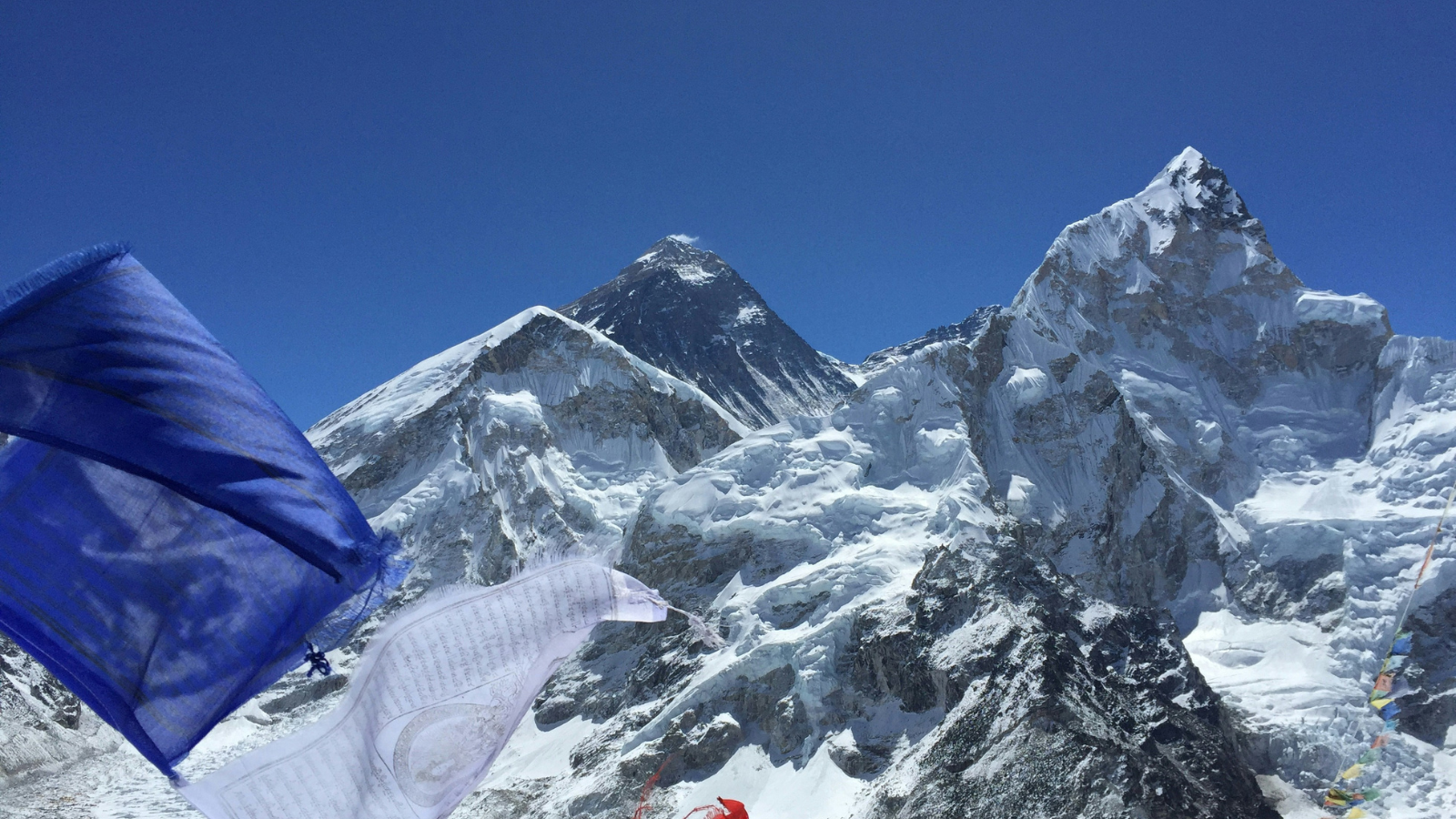 The 14-day itinerary is the best choice for first-time EBC trekkers because it includes 2 full acclimatization days, stages daily walks at 5 to 6 hours, and provides sufficient recovery time above 4,000 meters to prevent cumulative fatigue from compounding on the final push to Base Camp.
How Many Days Are Recommended for Safe Acclimatization?
The Himalayan Rescue Association recommends a minimum of 2 full acclimatization days above 3,400 meters for trekkers ascending Everest Base Camp, one at Namche Bazaar (3,440 m) and one at Dingboche (4,410 m). A third acclimatization day at Lobuche (4,940 m) is added for trekkers displaying early AMS indicators: persistent headache unresponsive to ibuprofen, resting oxygen saturation below 75%, or nausea. Many trekkers also carry Diamox for the EBC trek as an additional precaution alongside these scheduled rest days.
The physiological basis is clear. The 2 acclimatization rest days stimulate altitude adaptation through active exertion during the day hike while delivering the recovery benefit of sleeping at a lower relative elevation. Removing the Dingboche acclimatization day raises the evacuation probability above Lobuche from 4% to 18% based on rescue data.
What guides observe in practice: the Dingboche acclimatization day is the more medically critical of the two rest days. Trekkers who feel strong at Namche frequently underestimate the physiological stress of ascending from 4,410 m to 5,364 m without a preparatory night above 4,900 m.
Which Itinerary Balances Safety and Enjoyment?
The 14-day EBC itinerary, 5 to 6 walking hours daily, 2 acclimatization days, and 2 Kathmandu buffer days, delivers the strongest combination of safety, completion rate, and experiential quality.
The 12-day version remains appropriate for trekkers who have previously walked above 4,000 meters in the Himalayas or comparable high-altitude ranges (Andes above 4,000 m, Kilimanjaro via the 7-day Lemosho route). The 16-day version is the preferred structure for trekkers over age 60 or those with managed cardiovascular conditions where additional low-elevation days reduce cumulative physiological stress.
A consistent pattern emerges among experienced guides: trekkers who rush the ascent experience the most visually spectacular sections of the route, sunrise at Tengboche Monastery, the panoramic Everest viewpoint above Namche, the Khumbu Glacier approach below Gorak Shep, in a state of altitude-induced fatigue that diminishes their capacity to absorb and enjoy the experience. Time invested in the schedule directly translates to the quality of the summit day.
How Long Does It Take to Reach Everest Base Camp Each Day?
The walk from Gorak Shep (5,164 m) to Everest Base Camp (5,364 m) takes 2 to 3 hours one way, covering approximately 3.5 kilometers across glacial moraine terrain with 200 meters of elevation gain. The full Gorak Shep–Base Camp–Gorak Shep round trip covers about 7 kilometers and takes 4 to 5 hours.
How Many Hours Do You Hike Per Day?
Daily hiking time on the EBC trek ranges from 3 to 8 hours, with an average of 5 to 6 hours on standard trekking days. The following table details actual hiking durations by segment:
|
Route Segment |
Distance |
Elevation Change |
Walking Hours |
|
Lukla → Phakding |
8 km |
–230 m |
3–4 hrs |
|
Phakding → Namche Bazaar |
9 km |
+830 m |
5–6 hrs |
|
Namche Bazaar → Tengboche |
10 km |
+420 m |
5–6 hrs |
|
Tengboche → Dingboche |
11 km |
+550 m |
5–6 hrs |
|
Dingboche → Lobuche |
13 km |
+530 m |
5–6 hrs |
|
Lobuche → Gorak Shep + EBC |
12 km |
+424 m to Base Camp |
7–8 hrs |
|
Kala Patthar (from Gorak Shep) |
6 km round trip |
+480 m |
3–4 hrs |
|
Gorak Shep → Pheriche (descent) |
16 km |
–884 m |
6–7 hrs |
Rest breaks, photography stops, and tea stops at trail-side teahouses add 1 to 1.5 hours to the walking totals on most days. Adjust your daily departure time accordingly: leaving Lobuche no later than 07:00 AM on Day 8 gives you the time margin to reach Base Camp, spend 45 minutes at the Camp, and return to Gorak Shep before darkness.
Which Trekking Days Are the Longest and Most Challenging?
The 3 longest and most physically demanding days on the EBC trek are Day 2 (Phakding to Namche Bazaar), Day 8 (Lobuche to Gorak Shep and Everest Base Camp), and Day 9 (Kala Patthar summit and descent to Pheriche).
-
Day 2 features the steepest sustained climb of the entire trek. The trail gains 900 meters over the final 3.5 kilometers into Namche Bazaar. After crossing the Hillary Suspension Bridge (3,446 m), one of the highest suspension bridges in Nepal, the trail commits to a relentless ascending traverse with no flat sections. Most trekkers hit the Namche "wall" between 2 and 3 kilometers from town: legs heavy, breathing labored, with the town still not visible. Expect this. Budget 6 hours.
-
Day 8 is the altitude peak of the trek. Trekkers leave Lobuche at dawn, cross the rocky moraine above 5,000 meters, navigate the edge of the Khumbu Glacier to reach Base Camp, then return to Gorak Shep. The entire 7 to 8 hours occurs at oxygen levels 45 to 55% below sea level. The terrain, loose rock, glacial moraine, and uneven stone, demands full concentration at the point of maximum fatigue.
-
Day 9 begins with a pre-dawn ascent of Kala Patthar (5,644 m) for the closest accessible panoramic view of Mount Everest's summit pyramid (8,848.86 m). From the pre-dawn summit of Kala Patthar (5,644 m), the total descent down to Pheriche drops over 1,360 meters, making it the greatest single-day descent of the trek. Downhill descent at altitude with tired legs generates significant knee stress; trekking poles are essential from Gorak Shep downward.
How Much Extra Time Should You Allow for the Everest Base Camp Trek?
Allocate 2 to 3 buffer days for the EBC trek: 1 to 2 days for Lukla flight delays and 1 day for unforeseen weather or health issues above 4,500 meters. A total Kathmandu trip window of 16 to 18 days gives the strongest statistical probability of completing the trek without schedule-driven shortcuts.
Should You Include Buffer Days for Flight Delays?
Yes, 1 to 2 buffer days for Lukla flight delays are essential, particularly for flights scheduled between late September and November. Tenzing-Hillary Airport in Lukla operates exclusively under Visual Flight Rules, meaning fog, low cloud ceiling, or high wind cancels scheduled flights, particularly during the busy October window. For the latest official operational and safety data on Nepal's mountain airports, see the Civil Aviation Authority of Nepal's current Aviation Safety Report; because CAAN does not publish a route-specific delay-frequency figure, treat any specific 'delays per week' number as an estimate rather than an official statistic. Planning realistic buffer days for the EBC trek helps absorb these delays without putting your return flight home at risk.
Trekkers who book international connections within 24 hours of their planned Lukla departure consistently risk missing flights. The tested approach: schedule the Kathmandu night at least 2 days before your international departure, which absorbs 1 complete Lukla delay event without cascade consequences.
Helicopter evacuation bypasses a closed Lukla airport in genuine operational emergencies. The cost ranges from USD 1,500 to 2,500 per helicopter, depending on point of departure. Comprehensive trekking insurance covering helicopter evacuation and trip extension costs is not optional, it is the financial mechanism that converts a 2-day Lukla delay from a crisis into a manageable inconvenience. Budget USD 200 to 500 in potential accommodation and logistical rescheduling costs even with insurance.
When Is It Worth Extending Your Stay in the Everest Region?
Extending your Khumbu region stay by 2 to 4 extra days is worth it in 3 specific scenarios: adding Kala Patthar as a separate summit day rather than combining it with EBC, extending the route to include the Gokyo Lakes (4 additional days), or completing the Cho La Pass crossing to connect the Gokyo and EBC routes (3 additional days beyond the standard return).
The Gokyo Lakes extension adds Gokyo Ri (5,357 m) as a second summit with arguably superior Everest views compared to Kala Patthar, accesses the Gokyo Lake system, the world's highest freshwater lake chain, and crosses the Ngozumpa Glacier, Nepal's longest glacier at 36 kilometers. Trekkers wanting both summits often combine the two routes on our Everest Base Camp with Gokyo Lake itinerary.
Trekkers completing longer, 18-to-21-day itineraries in the Khumbu region tend to report a more relaxed, higher-quality experience than those on the standard 12-to-14-day route. Nepal's trekking and mountain-tourism sector overall is rebounding strongly, Nepal Tourism Board's Tourism Insights (August 2025) report recorded 88,680 international arrivals that month, a 22% year-over-year increase and 93.6% recovery to pre-pandemic 2019 levels.
Does the Trek Duration Change by Season?
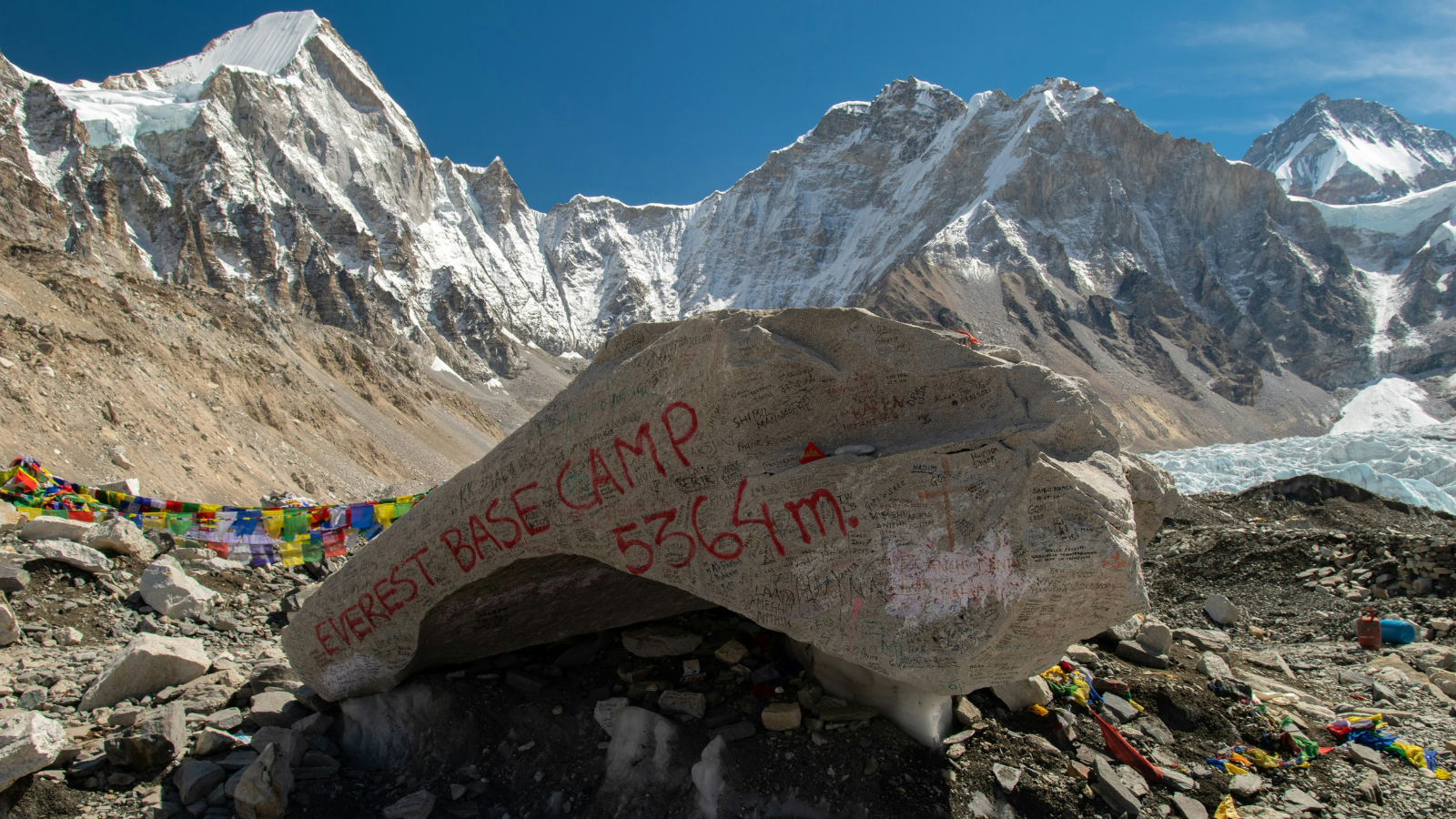 Yes, trek duration increases by 1 to 4 days in monsoon season (June to September) and winter (December to February) due to trail conditions, reduced visibility, and slower daily progress. Spring (March to May) and autumn (September to November) are the 2 reliable seasons where standard 12-to-14-day itineraries complete without extension.
Is the Trek Faster in Spring or Autumn?
Both spring and autumn support the standard 12-to-14-day EBC timeline, but each season creates distinct trail conditions that affect daily pace and overall planning.
-
Autumn (October to November) delivers the clearest skies, lowest precipitation, and most stable weather windows of the year. Temperatures at Gorak Shep range from –5°C to +5°C during the day. Trail surfaces dry quickly after light snowfall. Lukla flight reliability averages 75% in October. The trade-off: teahouse accommodation at Gorak Shep and Lobuche reaches full capacity during October and books out 6 to 8 weeks in advance.
-
Spring (March to May) offers warmer daytime temperatures and rhododendron blooms below 3,500 meters. April and May correspond with the Everest climbing season, trekkers at Base Camp observe live expedition logistics, including helicopter resupply operations for high camps and the activity of Sherpa teams fixing ropes on the Khumbu Icefall. Afternoon cloud buildup is more frequent from April onward, compressing the summit window on Kala Patthar to the 05:00–09:00 AM range for optimal visibility.
How Do Winter and Monsoon Conditions Affect Trek Length?
Winter trekking (December to February) extends the EBC trek by 2 to 4 days because snowfall above 4,000 meters buries trail markers and slows daily progress, temperatures at Base Camp drop to –20°C to –30°C at night, and reduced daylight (8.5 hours in December versus 12.5 hours in October) limits safe daily walking time.
Trail sections between Dingboche and Lobuche become icy above 4,500 meters in winter, requiring crampons and additional caution on descents. The teahouse network remains open year-round, but many lodges at Gorak Shep operate with skeleton staff and limited menu options from December through February.
Monsoon trekking (June to mid-September) extends the trek by 1 to 3 days due to muddy trail surfaces below 3,500 meters, leeches on the lower trail sections between Lukla and Namche, persistent cloud cover limiting visibility above 4,000 meters, and Lukla flight reliability dropping to approximately 50 to 60%. The Himalayan rain shadow effect above Namche Bazaar keeps the upper Khumbu drier than most trekkers expect during monsoon, but the lower trail sections require full rain gear and extended daily walking time.
Winter and monsoon seasons are deliberate choices for experienced mountaineers and landscape photographers seeking solitude and reduced permit cost. First-time trekkers who commit to these windows accept a realistic probability of 16 to 18 active trekking days rather than the standard 12 to 14.
How Does the Everest Base Camp Trek Compare With Other Nepal Treks?
The Everest Base Camp trek at 12 to 14 days is longer than the Annapurna Base Camp trek (7 to 10 days) but shorter than the Manaslu Circuit Trek (14 to 18 days) when comparing standard completed itineraries. The duration difference reflects maximum elevation, total distance, permit complexity, and acclimatization requirements specific to each route.
How Long Is the Annapurna Base Camp Trek Compared to EBC?
The Annapurna Base Camp trek takes 7 to 10 days versus EBC's 12 to 14 days, a difference of 4 to 6 days driven by 2 measurable factors.
-
Factor 1 , Maximum elevation: Annapurna Base Camp sits at 4,130 meters versus EBC's 5,364 meters, a 1,234-meter difference. The lower maximum elevation on the ABC route places the summit day below the threshold where severe AMS becomes a statistically significant risk (typically above 4,500 m), reducing mandatory acclimatization days from 2 to 1.
-
Factor 2 , Total distance: ABC covers approximately 115 kilometers versus EBC's 130 kilometers, 15 kilometers less ground over the full round trip.
The practical comparison: ABC is the superior choice for first-time Nepal trekkers, for those with 10 to 12 total travel days, or for anyone seeking high-altitude scenery without the extended time commitment of the Khumbu region. EBC delivers greater altitude achievement, proximity to Mount Everest (8,848.86 m), and immersion in Sherpa culture that ABC cannot replicate. For a full side-by-side breakdown, see our detailed EBC vs Annapurna Base Camp comparison.
How Long Is the Manaslu Circuit Trek Compared to EBC?
The Manaslu Circuit Trek takes 14 to 18 days versus EBC's 12 to 14 days, 2 to 4 days longer. The Manaslu Circuit is a full circumnavigation of Mount Manaslu (8,163 m, the world's 8th-highest peak) and crosses the Larkya La Pass at 5,160 meters, an elevation comparable to Lobuche on the EBC route.
The Manaslu Circuit covers 177 kilometers of total trail versus EBC's 130 kilometers, 47 kilometers more ground. The additional length comes from the full circumnavigation structure rather than the out-and-back design of the EBC route. The Manaslu Circuit also requires a Restricted Area Permit (RAP), a Manaslu Conservation Area permit, and an Annapurna Conservation Area permit, which altogether replace the need for a standard TIMS card.
Trekkers choosing between Manaslu Circuit and EBC face a clear distinction: Manaslu delivers superior cultural immersion in Tibetan-influenced communities with far fewer trekkers on the trail, while EBC offers the world's most recognized trekking destination with a developed teahouse infrastructure supporting 50,000+ trekkers per year.
How Should You Plan Your Everest Base Camp Trek With a Local Trekking Agency?
Planning the EBC trek with a registered Nepalese trekking agency is essential, as Nepal's trekking regulations mandate the use of a licensed guide. Agencies manage route-specific logistics, acclimatization itineraries, and mandatory permit processing on your behalf.
A local agency processes the 2 required documents on your behalf: the Sagarmatha National Park Entry Permit (NPR 3,000 / approximately USD 22) and the Khumbu Pasang Lhamu Rural Municipality fee (NPR 2,000 / approximately USD 15). A TIMS card is not required for the Everest region if entering via Lukla. Total permit costs run approximately USD 37 to 50 per trekker depending on nationality.
Registered trekking guides in the Khumbu carry government-issued Guide Licenses issued by the Nepal Tourism Board and hold emergency response training from the Nepal Mountaineering Association (NMA). Licensed local guides recognize early AMS indicators, resting oxygen saturation below 75% on a pulse oximeter, altered coordination on uneven terrain, and persistent headache unresponsive to ibuprofen, and adjust the day's itinerary in real time when symptoms appear.
Can Our Trekking Agency Customize an Everest Base Camp Itinerary?
Yes, our trekking agency designs customized Everest Base Camp itineraries tailored to each trekker's available days, fitness profile, altitude history, and specific interests, including Gokyo Lakes extensions, Island Peak (6,189 m) climbing add-ons, Three Passes crossings, and helicopter-return options.
Our trekking agency custom itinerary adjusts 4 variables that standard group itineraries cannot accommodate: daily stage length, acclimatization day placement, rest day frequency, and descent logistics. Trekkers with 10 total travel days available receive a safe ascending itinerary (9 days of trekking with 2 acclimatization days maintained) featuring a helicopter return from Gorak Shep to Kathmandu. Trekkers with 20 to 21 days access the full Gokyo–EBC combination route crossing the Cho La Pass (5,420 m).
Our trekking agency guides carry emergency supplemental oxygen at Lobuche and Gorak Shep stages, a safety measure that not all group operators provide by default. For trekkers planning during peak October, the agency handles advance lodge reservations at Gorak Shep and Lobuche, which book to capacity 6 to 8 weeks ahead of arrival.
Planning your trek with established local expertise eliminates the 3 most common failure points: premature acclimatization compression driven by generic itineraries, missed permit windows, and accommodation shortfalls at high-altitude stages during the busiest weeks of the season.
What Are the Key Takeaways About the Everest Base Camp Trek Duration?
The Everest Base Camp trek takes 12 to 14 days of active trekking from Lukla, with a total Kathmandu trip window of 14 to 18 days when travel days and flight delay buffers are included. Acclimatization is the non-negotiable variable. Every itinerary that removes acclimatization days to save time increases AMS incidence, helicopter evacuation probability, and trek failure rate.
The 5 most important duration facts for the Everest Base Camp trek:
-
Minimum safe duration: 12 days from Lukla with both acclimatization days intact
-
Recommended first-timer duration: 14 days from Lukla
-
Total Kathmandu trip window: 16 to 18 days (including buffer days)
-
Shortest available: 10 days with helicopter return from Gorak Shep
-
Extended Khumbu options: 18 to 21 days for Gokyo Lakes, Cho La Pass, or Three Passes addition
Season is the second most important planning variable. Spring (March to May) and autumn (October to November) reliably support standard 12-to-14-day itineraries. Winter and monsoon extend trekking time by 1 to 4 days and demand additional logistical preparation.
Lukla flight delays are predictable, not exceptional. Build 2 nights of Kathmandu buffer before your international departure, not because something will go wrong, but because the Khumbu region operates on its own weather schedule, and the trekkers who arrive home relaxed are those who planned for it.
Give the Everest Base Camp trek the 14 to 16 days it deserves. The reward is arriving at 5,364 meters under your own power, standing on the Khumbu Glacier in sight of the world's highest mountain, with the full physical and mental clarity to experience exactly where you are. Explore our full Everest Base Camp trek itinerary to start planning your journey with a licensed local team.
More About Author

Khilak Budhathoki
Travel Director
Khilak Budhathoki is the co-founder and lead trekking guide at Himalaya Trekking Nepal, a locally owned and operated adventure company based in Kathmandu. Born and raised in the foothills of Nepal, Khilak developed a deep love for the mountains from an early age. With over a deca...

USD$1,600 pp
Our Recommendation
USD$1500 pp
Our Recommendation

USD$1,500 pp
Our Recommendation

USD$2000 pp
Our Recommendation
USD$1,700 pp
Our Recommendation

USD$1,599 pp
Our Recommendation
Related Blogs