- 16, Jul 2026 | Khilak Budhathoki
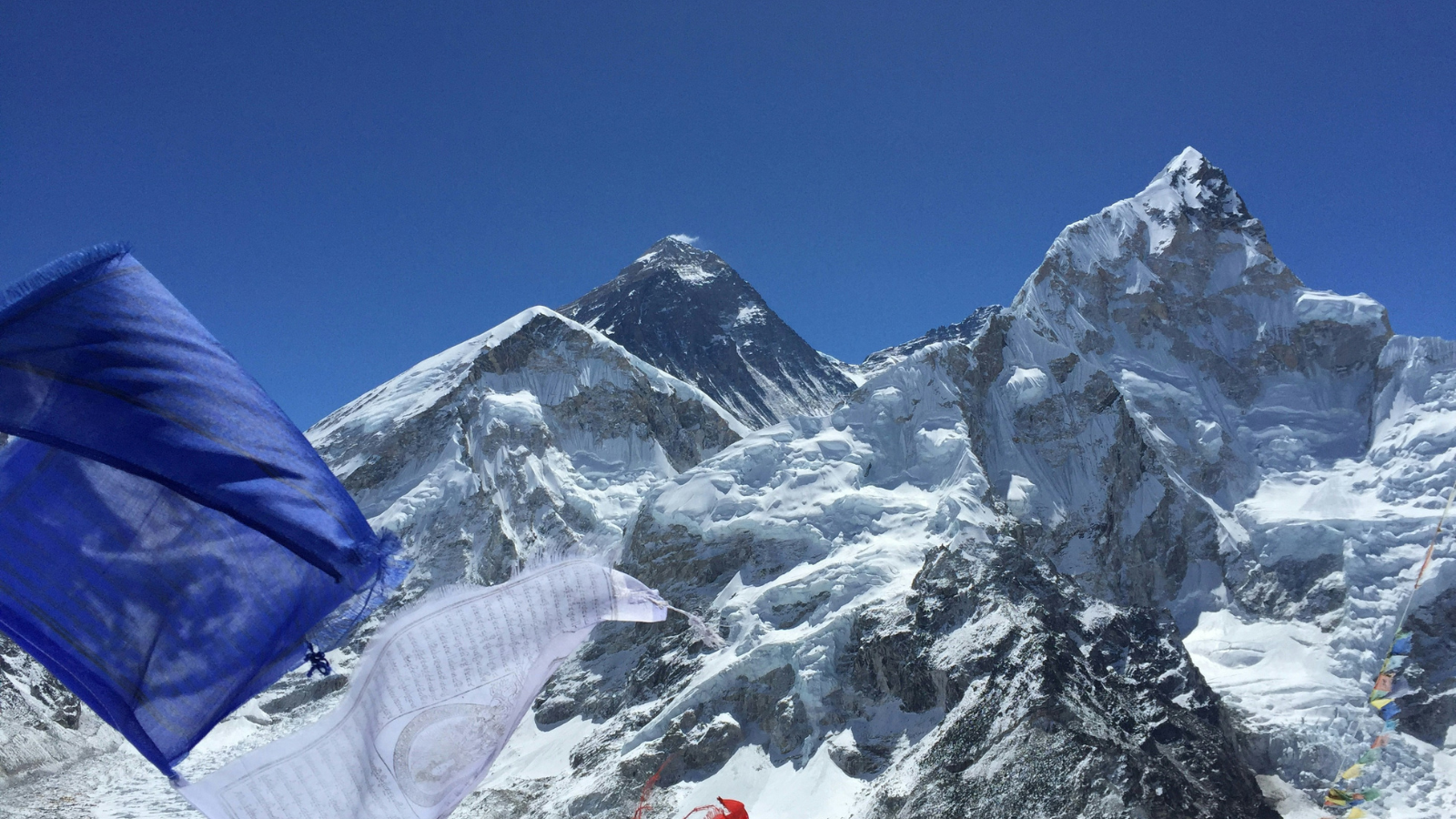
Nepal is one of the world's premier winter travel destinations, offering snow-covered trekking trails, glacier-fed valleys, and panoramic Himalayan landscapes across a remarkable elevation range from 60 meters in the Terai plains to 8,849 meters at the summit of Mount Everest. The best time to visit Nepal for snow is generally between December and February, when winter storms blanket high-altitude regions such as Annapurna, Everest, Langtang, Manaslu, and Pikey Peak with fresh snowfall. During this season, travelers can experience snow-covered forests, frozen alpine landscapes, quieter trekking routes, exceptional mountain visibility, and some of the clearest views of iconic peaks including Everest, Annapurna, Dhaulagiri, Ama Dablam, Machhapuchhre, and Langtang Lirung.
.jpg) Choosing the right month and destination depends on the type of winter experience you want. January brings the deepest snowfall on trekking trails, while February combines reliable snow cover with more stable weather and slightly warmer temperatures. This guide explains when and where snow falls in Nepal, compares snowfall across the country's major trekking regions, recommends the best snow treks and hill stations, outlines winter weather and trail conditions, and provides practical advice on gear, permits, altitude safety, and trip planning to help you organize a safe and memorable Himalayan snow adventure.
Choosing the right month and destination depends on the type of winter experience you want. January brings the deepest snowfall on trekking trails, while February combines reliable snow cover with more stable weather and slightly warmer temperatures. This guide explains when and where snow falls in Nepal, compares snowfall across the country's major trekking regions, recommends the best snow treks and hill stations, outlines winter weather and trail conditions, and provides practical advice on gear, permits, altitude safety, and trip planning to help you organize a safe and memorable Himalayan snow adventure.
When Does It Snow in Nepal?
Snow falls in Nepal from December through February at elevations above 2,500 meters, driven by western disturbance systems that move across northern India into the Himalayas. These cold fronts are the primary source of Nepal's winter snowfall. At elevations above 5,000 meters, snow falls in any month, including during the June–September monsoon season.
Which Months Receive the Most Snowfall?
January receives the most snowfall across Nepal's mid-altitude trekking zones, with accumulations averaging 30 to 80 centimeters at elevations between 3,000 and 4,000 meters. December marks the start of significant snowfall. February delivers less total volume but more stable weather windows between storms.
Month-by-month snow patterns at key elevations:
-
October and November: Fresh snow appears on peaks above 5,500 meters. Trekking trails below 4,000 meters remain snow-free. Passes around 5,000 meters, including Thorong La, begin accumulating snow by late November.
-
December: Snowfall starts on trails above 3,000 meters. High camps above 4,500 meters receive consistent snow. Thorong La becomes increasingly hazardous by late December, and solo crossings are now strictly prohibited under Nepal’s nationwide mandatory guide regulations.
-
January: The snowiest month. Trails from 3,000 to 4,500 meters carry 20 to 100 centimeters of packed snow. High passes may be impassable without crampons.
-
February: Snowfall continues but storm frequency drops. Daytime temperatures rise slightly. This creates the clearest mountain views of the winter season.
-
March: Snow melts rapidly below 3,500 meters. High camps retain snow. Spring trekking begins.
What most travel guides miss: Nepal's winter snowfall is not uniform. Western disturbances hit the Dhaulagiri and Annapurna regions harder than the Everest region, which sits in a slightly drier zone due to its eastern position.
Which Regions Experience the Heaviest Snow?
The Annapurna region receives the heaviest winter snowfall in Nepal, averaging 60 to 120 centimeters at elevations between 3,000 and 4,000 meters between December and February. The Langtang Valley and Manaslu Circuit follow. The Everest region receives less total snowfall but at higher elevations.
Regional snowfall patterns from heaviest to lightest:
-
Annapurna Sanctuary and Ghorepani area: High snowfall from moisture channeled through the Kali Gandaki gorge. Poon Hill (3,210 meters) regularly sees 40 to 60 centimeters in January.
-
Langtang Valley: Significant snow from both westerly disturbances and Tibetan moisture flows. Kyanjin Gompa (3,870 meters) accumulates 50 to 90 centimeters by mid-January.
-
Manaslu Circuit: Heavy snowfall, especially around Larkya La Pass (5,160 meters), which often becomes impassable in deep winter. While guide support is legally required year-round for this restricted region, their expertise in trail navigation becomes absolutely vital for survival here in January.
-
Everest Region: Drier than Annapurna. Namche Bazaar (3,440 meters) sees 20 to 40 centimeters in January. Kala Patthar (5,644 meters) stays snow-covered from October through April.
-
Upper Mustang: A rain-shadow zone with minimal snowfall even in January. Dry, cold, and sunny. Not the right destination for trail snow seekers.
-
Dolpo: Remote and rarely visited in winter. Extremely heavy snowfall makes most routes inaccessible without full expedition support.
Which Is the Best Month to Visit Nepal for Snow?
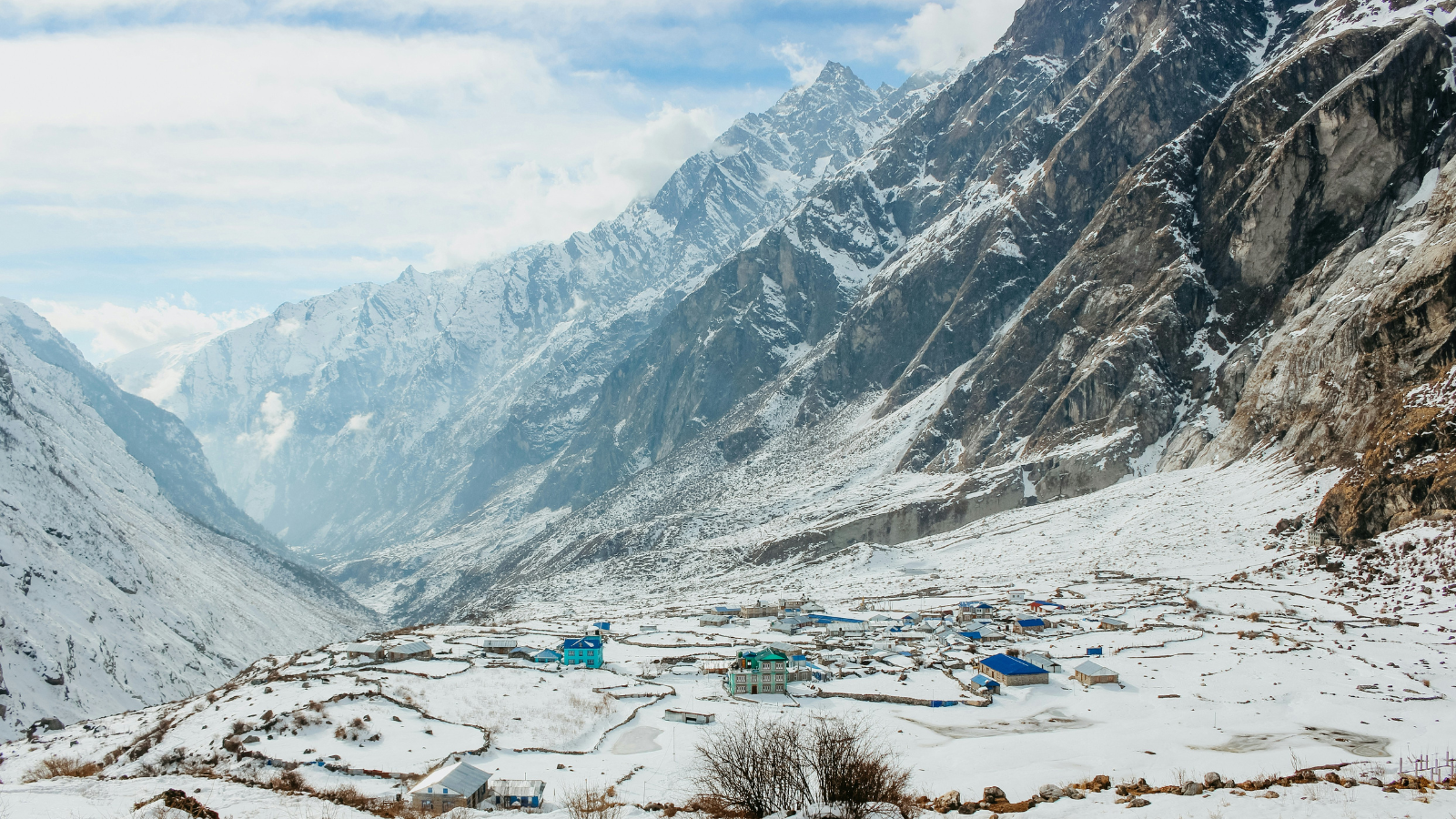 January is the best single month to visit Nepal for snow. It delivers the most consistent snowfall on active trekking trails, the quietest teahouses in popular regions, and temperatures cold enough to keep trail surfaces snowy rather than slushy. For travelers who want snow without extreme cold, late February offers the best balance.
Is December a Good Time for Snow?
December delivers reliable snow above 3,500 meters but is unpredictable below 3,000 meters. Early December often produces clear, cold days without significant snowfall on lower trails. Snow becomes consistent from mid-December onward.
Key December facts:
-
Average temperature at Namche Bazaar (3,440m): 0°C to 8°C by day, -8°C to -12°C at night
-
Average temperature at Annapurna Base Camp (4,130m): -5°C to 2°C by day, -15°C to -20°C at night
-
Thorong La Pass becomes heavily snow-bound by December 20, making strict adherence to mandatory guide support legally and physically essential.
December works well for trekkers targeting Ghorepani Poon Hill, the lower Langtang Valley, or EBC up to Namche Bazaar. Crowds drop significantly compared to October and November, making December one of the most underrated months for Nepal trekking.
Is January the Snowiest Month in Nepal?
Yes, January is the snowiest month in Nepal for elevations between 2,800 and 5,000 meters. Western disturbances peak in January, bringing multiple snowfall events across the Himalayas. Trekking trails in the Annapurna and Langtang regions carry their deepest snow accumulations of the year.
What this means practically:
-
Trails above 4,000 meters require microspikes or crampons
-
Several teahouses between Manang and Thorong La close in January
-
Snowfall events can block trails for 2 to 5 days at a time
-
Mountain views between storms are exceptional, with post-storm clarity pushing 200 kilometers
January rewards experienced trekkers who accept these conditions. First-time trekkers do better on Ghorepani, the lower Mardi Himal sections, or EBC up to Dingboche rather than pushing to Thorong La or Annapurna Base Camp in the heart of winter.
Is February Better Than December or January?
February offers the best combination of snow on the ground and stable weather windows. January delivers more total snowfall, but February gives you the result without the storm frequency. Daytime temperatures rise by 3 to 5°C while trail snow from previous weeks remains intact above 3,000 meters.
February advantages over January:
-
More teahouses reopen for the late-winter season
-
Western disturbances decrease in frequency after the first week of February
-
Longer daylight hours (sunrise at 6:40 AM versus 7:00 AM in January)
-
Rhododendron forests at 2,500 to 3,000 meters begin budding by late February
February advantages over December:
-
More trail snow at all elevations above 2,500 meters
-
Colder overnight temperatures lock snow surfaces, reducing ice patches during the day
-
More predictable snowfall patterns on popular routes
For most travelers, mid-January to mid-February is the optimal window for snow trekking in Nepal.
Where Can You See Snow in Nepal?
Snow in Nepal exists across a wide elevation range, from occasional dustings on hill stations near Kathmandu at 2,000 meters to permanent glaciers above 5,500 meters. The best snow experience depends on how far you want to trek and what kind of snow you are looking for.
Which Trekking Regions Offer the Best Snow Views?
The Annapurna Conservation Area, Sagarmatha National Park, and Langtang National Park offer the best snow views in Nepal between December and February. Each region provides a distinct snow experience based on elevation, trail conditions, and surrounding peaks.
Best trekking regions for snow by experience type:
-
Annapurna: Best for heavy trail snow. The route from Ghorepani to Poon Hill delivers consistent trail snow and unobstructed views of Annapurna South, Machapuchare (Fishtail), and Dhaulagiri.
-
Everest: Best for snow-capped peak views. The trail from Namche Bazaar to Dingboche passes through snowy landscapes with direct sightlines to Ama Dablam, Lhotse, and Nuptse.
-
Langtang: Best for valley snow immersion. The Langtang Valley floor at 3,430 to 3,870 meters carries deep snow in January and February, with Langtang Lirung (7,234 meters) rising directly above.
Which Places Have Snow Without Long Treks?
Nagarkot, Chandragiri, Kakani, and Pikey Peak are the 4 best places to see snow in Nepal without a multi-week trek. These destinations sit between 1,866 and 4,065 meters and are reachable within 1 to 4 days from Kathmandu.
Snow access by distance from Kathmandu:
-
Chandragiri (2,551m): Cable car from Kathmandu takes 10 minutes. Snow falls here 3 to 5 times per winter. Himalayan views on clear days span from Dhaulagiri to Everest.
-
Nagarkot (1,866m): 32 kilometers from Kathmandu. Receives light snow 1 to 3 times per winter. Best for sunrise views over snow-dusted hills.
-
Kakani (2,073m): 29 kilometers north of Kathmandu. More frequent snowfall than Nagarkot. Rhododendron-lined trails and valley views.
-
Pikey Peak (4,065m): 3 to 4 days from Phaplu or Salleri by trail. Consistent snow from December through February. Views of Everest, Makalu, and Cho Oyu without the full EBC commitment.
Which Hill Stations Near Kathmandu Get Snow?
Chandragiri, Kakani, and Shivapuri National Park get snow most reliably near Kathmandu, with Chandragiri seeing snowfall 3 to 6 times between December and February. Nagarkot gets snow less frequently, but its ridge position and mountain views make it worth visiting when snow falls.
Kathmandu itself sits at 1,400 meters and rarely receives snow; the last time the valley floor experienced a significant snowfall event was in February 2007. Hill stations between 2,000 and 2,700 meters above Kathmandu receive snow more often, though still not predictably.
For reliable snow near Kathmandu, Chandragiri is the strongest option because of its elevation and cable car access. Shivapuri National Park at 2,732 meters sees consistent snow in January and February on its upper trails, accessible via day hike from Kathmandu's northern neighborhoods.
Which Treks Are Best for Snow Lovers?
Nepal's winter trekking options range from 3-day loops near Kathmandu to 21-day high-altitude expeditions. Snow lovers get the most from routes that cross or approach elevations above 3,500 meters, where snowfall is consistent and trail conditions change meaningfully with the season.
Is Everest Base Camp Good for Snow?
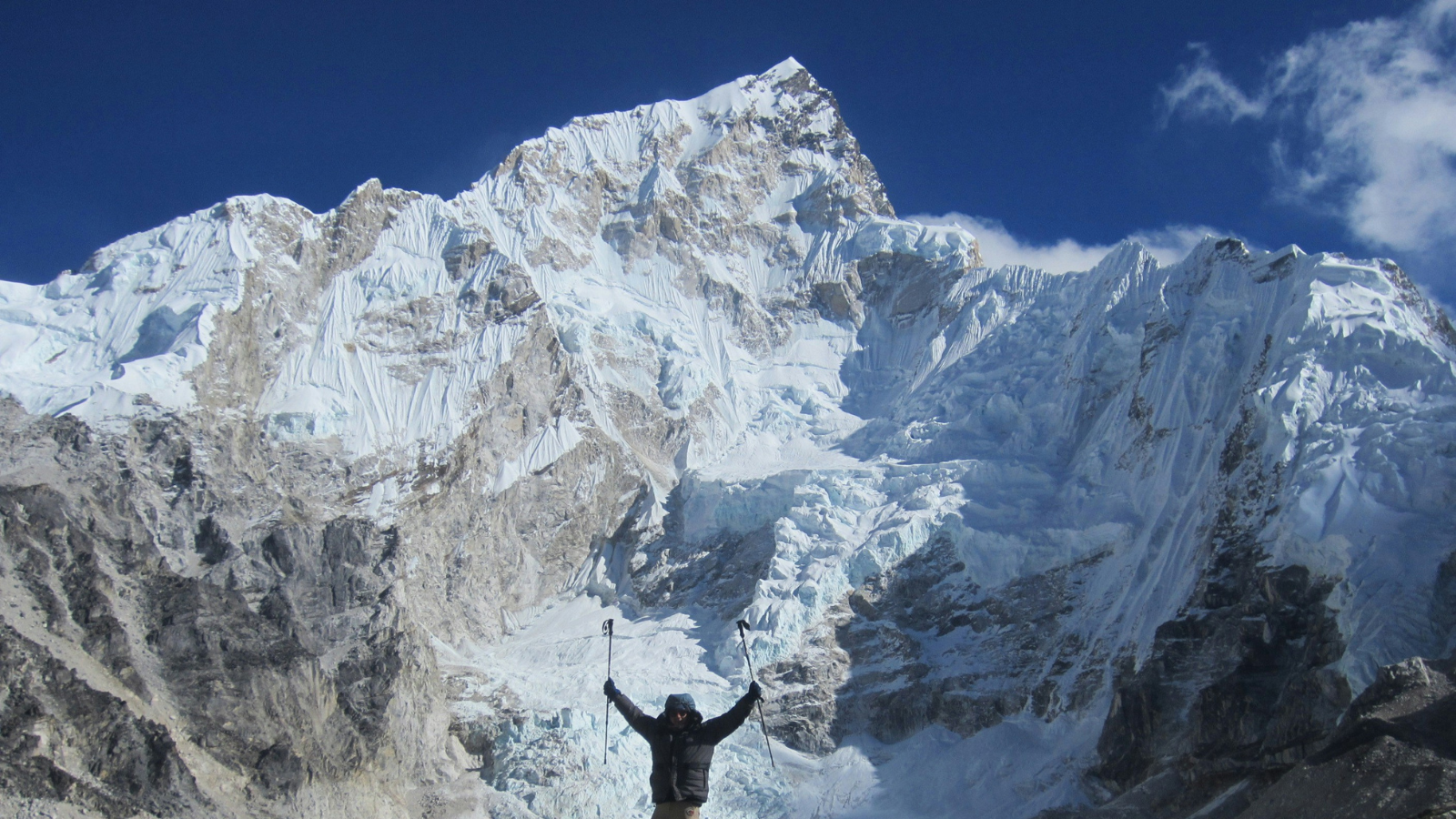 Yes. The EBC trek delivers consistent snow on trails above Namche Bazaar (3,440m) throughout December, January, and February, with the most dramatic snow landscapes on the Tengboche to Dingboche section. EBC itself at 5,364 meters sits in permanent snow from October through May.
EBC winter specifics:
-
Namche Bazaar to Tengboche: Snow-covered trail with Ama Dablam views
-
Tengboche to Dingboche: The visually strongest snowy section of the entire route
-
Lobuche to EBC: Glacial terrain with ice and packed snow throughout
-
Temperature at Kala Patthar sunrise: -20°C to -30°C in January
-
Most teahouses on the route remain open in winter, unlike other trekking regions
The EBC route functions well in winter because the lower sections stay accessible and the upper sections, while cold, offer teahouse facilities throughout. February is the preferred month for first-time winter trekkers targeting EBC.
Is Annapurna Base Camp Best in Winter?
Annapurna Base Camp is excellent in winter for trekkers comfortable with deep snow, but the route from Deurali to ABC carries 60 to 120 centimeters of snow in January and requires confidence on icy trail surfaces. The views from ABC at 4,130 meters, surrounded by a 360-degree ring of 7,000 and 8,000-meter peaks, are extraordinary in winter conditions.
Important winter considerations for ABC:
-
The section from Chhomrong to ABC carries the most snow. Avalanche risk above Machhapuchhre Base Camp increases after fresh snowfall events.
-
Teahouses from Deurali to ABC operate with reduced services from December to February. Verify availability before your trek departure.
-
The approach via Ghorepani and Tadapani adds trail variety and reliable snow views even if weather prevents reaching ABC itself.
-
Most groups we guide to ABC in winter plan a 12 to 14-day itinerary to allow proper acclimatization and built-in weather buffer days.
Which Short Winter Treks Offer Snow?
The Ghorepani Poon Hill trek, Mardi Himal trek, and Pikey Peak trek are the 3 best short winter treks for snow in Nepal, each completing in 4 to 7 days while delivering consistent snowfall above 3,000 meters.
Short snow trek comparison:
-
The Ghorepani Poon Hill trek: Ghorepani sits at 2,860 meters and receives 30 to 60 centimeters of snow in January. The Poon Hill (3,210m) sunrise over Annapurna and Dhaulagiri ranks among the most photographed winter views in Nepal. All teahouses on this route stay open year-round.
-
The Mardi Himal trek: High Camp sits at 4,500 meters with consistent snow and panoramic Annapurna views. The lower forest trail sections remain navigable without specialized gear on most January days, making this a good introduction to winter trekking.
-
Pikey Peak (4 days): The highest viewpoint accessible within 5 days from Kathmandu. Snow covers the upper ridgeline from December through March. Sunrise views of Everest, Makalu, and Kanchenjunga arrive without the crowds of the main EBC route.
What Is the Weather Like During Nepal's Snow Season?
Nepal's winter weather produces cold, dry, and mostly clear conditions between snowfall events. The 24 to 48 hours after a storm clears are the best moments for mountain photography and long-distance Himalayan views.
How Cold Does It Get?
Temperatures in Nepal's winter snow season range from 5°C to 12°C during the day at lower elevations (1,000 to 2,000 meters) and drop to -15°C to -30°C at high-altitude camps (4,500 to 5,500 meters) at night.
Temperature reference table for key destinations:
|
Location |
Elevation |
Daytime (°C) |
Nighttime (°C) |
|
Kathmandu |
1,400m |
12–18 |
2–6 |
|
Nagarkot |
1,866m |
8–14 |
-2 to 3 |
|
Namche Bazaar |
3,440m |
0–8 |
-8 to -15 |
|
Dingboche |
4,410m |
-3 to 4 |
-15 to -22 |
|
Annapurna BC |
4,130m |
-2 to 5 |
-15 to -20 |
|
Kala Patthar |
5,644m |
-10 to -3 |
-25 to -32 |
Wind is the larger threat at high altitudes. Above 4,500 meters, wind chills in January can drop perceived temperature by an additional 10 to 15°C on exposed ridges.
How Does Snow Affect Visibility and Mountain Views?
Snow improves mountain visibility in Nepal by removing dust and haze that reduce visibility during autumn. Post-snowfall air in the Himalayas is among the clearest in the world. The 24 to 48 hours after a storm deliver the sharpest, most contrast-rich mountain views of the entire year.
What this means for photography and trekking:
-
Fresh snow on peaks creates stronger visual contrast against blue winter skies than any other season produces
-
Haze drops to near zero in January after a storm passes
-
Visibility from Poon Hill can extend 200 kilometers to Dhaulagiri on a clear winter morning
-
Cloud formation between storms is minimal in January and February
The trade-off: snowfall events themselves reduce visibility completely. Timing acclimatization rest days during storms and summit or viewpoint days during clear windows is something experienced guides read instinctively.
What Are the Typical Trail Conditions?
Winter trail conditions in Nepal range from packed compacted snow on busy routes like EBC to loose powder on less-traveled paths, with ice forming on north-facing slopes above 3,500 meters throughout December and January.
Trail condition breakdown by elevation:
-
Below 2,500m: Usually clear. Frost overnight. Muddy sections possible where snow has melted and refrozen.
-
2,500 to 3,500m: Patchy to full snow coverage depending on recent weather. Teahouse steps and shaded trail sections freeze overnight.
-
3,500 to 4,500m: Consistent snow. Microspikes are useful from mid-December. Crampons required on high passes.
-
Above 4,500m: Full snow and ice coverage throughout winter. While unsupported trekking is legally banned across most of Nepal, these conditions make mandatory guide support absolutely critical for your survival.
One detail most route guides overlook: trail condition depends heavily on traffic volume. On the EBC route, foot traffic from other trekkers compacts snow into ice within hours. On less popular routes like Pikey Peak or Tamang Heritage Trail, fresh powder stays soft for days, making walking both beautiful and physically demanding.
What Are the Advantages and Challenges of Visiting Nepal for Snow?
Winter trekking in Nepal delivers experiences that differ genuinely from the autumn high season. The trade-offs are real, and understanding them before you book saves you from arriving with wrong expectations.
Why Do Travelers Choose Winter?
Travelers choose winter Nepal for 4 specific reasons: fewer crowds on popular routes, 30 to 50 percent lower accommodation costs, exceptional post-storm mountain clarity, and the visual drama of snow-covered Himalayan trails.
The advantages stack:
-
Fewer trekkers: EBC trail population drops by roughly 80 percent compared to October. You have the Poon Hill sunrise viewpoint with a handful of trekkers instead of hundreds.
-
Lower costs: Teahouse rooms in winter average 500 to 800 NPR per night compared to 800 to 1,500 NPR during autumn peak season.
-
Mountain photography: Winter light combined with snow and clear skies produces the best conditions for Himalayan photography of any season.
-
Cultural access: Lower visitor numbers allow more genuine conversations with teahouse owners and villagers along the route.
What Challenges Should You Expect?
The 3 main challenges of winter trekking in Nepal are extreme cold at high elevations, reduced teahouse services on some routes, and the risk of trail closures from snowfall events lasting 3 to 7 days.
Challenges to plan around:
-
Cold nights: A sleeping bag rated to -15°C is acceptable up to 3,500 meters, but any high-altitude winter itinerary passing Dingboche or Gorak Shep demands a four-season bag rated to -25°C or lower. Many teahouses do not provide adequate blankets in winter, so do not rely on them.
-
Service reductions: Some teahouses between Manang and Thorong La, between Machhapuchhre Base Camp and ABC, and on the upper Manaslu Circuit close entirely in January.
-
Trail closures: A multi-day snowstorm can make trails above 4,000 meters impassable for 3 to 7 days. Build 2 to 3 buffer days into your itinerary for every 10 days of trekking.
-
Shorter daylight: Usable daylight runs from roughly 7:00 AM to 5:30 PM. Plan daily trekking hours accordingly.
Is Winter Trekking Safe?
Winter trekking in Nepal is safe on established routes with proper preparation, appropriate gear, and guide support. The routes most affected by winter risk are Thorong La on the Annapurna Circuit, Larkya La on the Manaslu Circuit, and Tesi Lapcha in Rolwaling, due to avalanche potential and snow depth on high passes.
Safety-critical points:
-
Hire a licensed guide for your trek; per the Nepal Tourism Board's official 2023 mandatory-guide notice, all foreign trekkers must be accompanied by a licensed guide from a government-registered agency on national park and conservation area routes, regardless of elevation. Local guides read trail conditions more accurately than any weather application.
-
Carry emergency shelter (a bivy bag) and a GPS communicator on high-altitude routes.
-
Know the 4 symptoms of hypothermia: shivering that stops suddenly, confusion, slurred speech, and extreme fatigue. Descend immediately if any appear.
-
Purchase travel insurance that covers emergency helicopter evacuation, confirming your policy includes helicopter rescue insurance before you depart is essential. Helicopter rescue costs in Nepal range from USD 3,000 to USD 6,000 per callout.
What Should You Pack for a Snow Trip to Nepal?
Packing for winter trekking in Nepal requires a layering system that handles a 35°C temperature range, from Kathmandu airport to a high-altitude camp overnight. Your gear handles all of it if you plan correctly.
Which Clothing Layers Are Essential?
The 4 essential clothing layers for snow trekking in Nepal are a moisture-wicking base layer, a mid-weight fleece, a down jacket rated to -15°C or colder, and a waterproof outer shell.
Layer specifics:
-
Base layer: Merino wool or synthetic moisture-wicking fabric. Bring 2 sets, one for trekking, one for sleeping.
-
Mid layer: 200-weight fleece or softshell jacket. Worn on cold morning starts and at teahouse camps.
-
Down jacket: 600-fill power minimum for routes up to 4,000 meters. 800-fill for destinations above 4,500 meters. This is non-negotiable.
-
Outer shell: Waterproof and windproof. Gore-Tex or equivalent. Protects against snow and high-altitude wind.
-
Insulated pants: Necessary for any camp above 3,500 meters. Standard trekking pants alone are insufficient below -10°C.
Accessories most trekkers underpack: thermal gloves plus a heavier over-glove for passes, a balaclava, and chemical hand warmers for use inside sleeping bags on extreme cold nights.
Which Trekking Gear Is Recommended?
Microspikes are the most critical piece of trekking gear for winter Nepal above 3,000 meters, providing traction on packed snow and ice that trail boots alone cannot handle.
Gear list for winter Nepal:
-
Microspikes or lightweight crampons (12-point crampons for high passes like Thorong La)
-
Trekking poles with extended snow baskets
-
Insulated trekking boots rated to -20°C (not summer hiking boots)
-
4-season sleeping bag rated to -15°C or lower
-
Sleeping bag liner for 5 to 8°C of additional warmth
-
Headlamp with lithium batteries (alkaline batteries drain rapidly in freezing temperatures)
-
Chemical hand warmers (20 to 30 pairs for a 2-week trek)
-
Dry bags for electronics, sleeping bag, and passport
For a complete, day-by-day gear breakdown on a 14-day Khumbu itinerary, see our full Everest Base Camp packing list.
How Can You Stay Warm and Comfortable?
The most effective way to stay warm on a Nepal snow trek is to maintain caloric intake, stay dry, and sleep with your down jacket laid over your sleeping bag on nights below -15°C.
Practical warmth strategies:
-
Eat full warm meals at teahouses even when appetite decreases at altitude. Caloric deficit accelerates heat loss faster than inadequate clothing.
-
Change out of wet base layers within 30 minutes of reaching your teahouse. Wet merino wool retains 70 percent of its insulation, but saturated synthetic materials lose effectiveness.
-
Keep a stainless steel water bottle filled with hot water in your sleeping bag overnight to prevent both bottle freezing and body heat loss.
-
Bring a small dry bag to sleep alongside: phone, battery pack, headlamp batteries, and any medication that degrades below 0°C.
How Should You Prepare for a Winter Trek in Nepal?
Preparation for a winter Nepal trek covers physical fitness, acclimatization planning, weather strategy, and permit logistics. Each area affects both your safety and your enjoyment on the trail.
How Can You Prevent Altitude Sickness?
Altitude sickness prevention requires ascending no more than 300 to 500 meters per day above 3,000 meters, taking a rest day every 3 days of climbing, and drinking 3 to 4 liters of water daily.
Acclimatization rules that work:
-
Follow the standard "climb high, sleep low" method. Day hike to higher elevation, return to a lower camp for sleep.
-
Stop ascending when you experience headache, nausea, or dizziness. These are early AMS (Acute Mountain Sickness) symptoms.
-
Diamox (acetazolamide) at 125mg twice daily is supported by a 22-trial systematic review and meta-analysis showing a significant reduction in AMS incidence versus placebo (a pooled meta-analysis puts the relative-risk reduction at roughly 48%); our full guide to Diamox for Everest Base Camp covers dosage timing and side effects. Consult your doctor before departure.
Cold makes altitude sickness harder to identify, because shivering and fatigue resemble early AMS symptoms. We run a daily check-in with trekkers above 3,500 meters to distinguish cold response from altitude response, a step that has prevented several avoidable evacuations over the years.
How Should You Plan for Weather Changes?
Plan a minimum of 2 buffer days per 10-day trek to account for trail closures from snowfall, which average 4 to 6 weather events per month in January across Nepal's Himalayan zones.
Weather planning checklist:
-
Check three sources before each trekking day: your guide, the teahouse owner at your current stop, and a mountain weather service like Meteoblue or Windy.
-
Western disturbance systems typically give 12 to 24 hours of warning through cloud buildup on western ridges.
-
Stay at your current teahouse rather than pushing forward when a storm is within 12 hours. Moving in a whiteout above 4,000 meters is the most common cause of winter trekking accidents in Nepal.
-
Carry reliable offline maps (Maps.me with Nepal downloaded) for trail navigation during low-visibility conditions.
What Permits and Logistics Should You Arrange?
Most trekkers in Nepal need at least one conservation area or national park permit, and a TIMS card for regions that still require it. However, major areas like Everest and Manaslu have replaced or removed the TIMS requirement entirely. Specific permits depend on your chosen route.
Permit requirements by region:
-
Annapurna (Ghorepani, Poon Hill, ABC): TIMS card + ACAP permit (NPR 3,000 for foreign nationals)
-
Everest Base Camp: Khumbu Pasang Lhamu Rural Municipality Permit (NPR 3,000 for foreign nationals in 2026) + Sagarmatha National Park Entry Permit, confirmed at NPR 3,000 per person by the Nepal Tourism Board's official fee schedule.
-
Langtang: TIMS card + Langtang National Park Entry Permit (NPR 3,000 for foreign nationals)
-
Manaslu Circuit: Manaslu Conservation Area Permit + Manaslu Restricted Area Permit, listed by Nepal's Department of Immigration at USD 75 per person for the first week during the winter off-season (December to August). A TIMS card is no longer required for this region.
-
Upper Mustang: Restricted area permit, updated under the Department of Immigration's March 2026 reform to USD 50 per person per day (the previous flat USD 500-for-10-days fee no longer applies).
Most park permits can be obtained in Kathmandu at the Nepal Tourism Board office or through your agency, with the critical exception of the Khumbu local permit for Everest, which must be issued on arrival in Lukla or Monjo. Winter permit offices handle applications quickly due to lower visitor volume.
One logistics point that catches winter travelers off guard: domestic flights to mountain airstrips like Lukla, Jomsom, and Phaplu operate on reduced schedules from December through February due to weather. Book with one extra day of buffer on both sides of your flight dates.
How Does Winter Compare With Other Seasons in Nepal?
Nepal offers 4 distinct trekking seasons. Each produces a defining set of conditions that shapes your entire experience on the trail.
Is Winter Better Than Autumn for Snow?
Winter delivers 5 to 10 times more trail snow than autumn, but autumn offers more stable weather, fully operational teahouses, and 40 to 60 percent more usable daylight trekking hours per day.
Autumn versus winter comparison:
|
Factor |
Autumn (Sep–Nov) |
Winter (Dec–Feb) |
|
Trail snow |
Minimal below 4,500m |
Consistent above 3,000m |
|
Mountain views |
Excellent |
Excellent post-storm |
|
Crowd level |
High |
Low |
|
Teahouse availability |
Full |
Reduced on some routes |
|
Daily accommodation cost |
Higher |
30–50% lower |
|
Safety for beginners |
Higher |
Moderate with guide |
Choose winter for snow on the trail. Choose autumn for easier logistics and a larger safety margin.
Is Spring Better Than Winter for Mountain Views?
Spring (March to May) offers comparable mountain views to winter with warmer temperatures, rhododendron blooms, and more stable weather, but delivers significantly less trail snow below 4,000 meters.
Spring advantages over winter:
-
Temperatures run 10 to 15°C warmer at all elevations
-
Rhododendrons bloom at 2,000 to 3,500 meters from late February through April
-
High passes like Thorong La and Larkya La become progressively safer from mid-March
-
Longer trekking days with light until 6:30 PM
Winter advantages over spring:
-
Active trail snow from 3,000 meters through February
-
Quieter routes and lower costs
-
The visual contrast of fresh powder on Himalayan forests and ridgelines
Pre-monsoon clouds start building in late April and can obscure peaks by midday, while winter mornings between storms stay clear throughout.
Which Season Is Best for Your Travel Goals?
The right season depends on your specific travel goal: snow experience requires winter, flowering landscapes and festivals point to spring, and peak trekking performance with stable weather points to autumn.
Decision framework:
-
You want snow on the trail: December to February, particularly January and February
-
You want the most stable, supported trekking experience: October and November
-
You want flowers and fewer people than autumn: March and April
-
You want complete solitude with full winter conditions: January (experienced trekkers)
Monsoon (June to August) is not suitable for mountain views or high passes due to daily rainfall, cloud cover, and leeches below 2,500 meters. For a full month-by-month breakdown across all four seasons and every trekking region, see our guide to the best time to trek in Nepal.
How Can You Plan the Perfect Snow Adventure in Nepal?
Planning a winter snow trek in Nepal involves choosing the right route for your fitness level and snow expectations, securing permits in advance, arranging guide support, and building weather buffer days into your schedule.
The most common planning mistake we see: trekkers book fixed-date return flights with no buffer, face trail closures mid-trek, and have no way to extend. Always book refundable or flexible domestic flights within Nepal, and consider an extra two days in Kathmandu at the end of your trip.
For a first winter trek, the Ghorepani Poon Hill route over 5 to 7 days delivers consistent snow above 2,500 meters, year-round teahouse access, and a manageable altitude range. For experienced trekkers, EBC in February or the Langtang Valley in January offers deeper winter immersion.
Can Our Trekking Agency Help You Plan a Winter Trek?
We have guided groups and solo trekkers on snow treks to EBC, Annapurna Base Camp, Langtang Valley, Ghorepani, Mardi Himal, and Pikey Peak across multiple winter seasons. That experience shapes how we design winter itineraries.
Our winter trek packages include:
-
TIMS and permit processing handled before you arrive in Kathmandu
-
Experienced local guides trained in winter trail assessment and weather reading
-
Itinerary design with built-in weather buffer days
-
Pre-departure gear checklist and briefing
-
Emergency contact protocols and helicopter rescue coordination if needed
If you have specific travel dates and a snow destination in mind, contact us to build an itinerary around your goals, fitness level, and budget. Winter is one of our most rewarding seasons to guide, and the trekkers who come properly prepared consistently describe it as their most memorable Nepal experience.
What Are the Key Takeaways About the Best Time to Visit Nepal for Snow?
The best time to visit Nepal for snow is January and February. Mid-January to mid-February is the optimal 4-week window for consistent trail snow, clear mountain views between storms, and manageable trekking conditions on popular routes.
Core takeaways:
-
December starts the snow season above 3,500 meters. Reliable for high-altitude routes, unpredictable below 3,000 meters. Crowds are low and prices are favorable.
-
January is the snowiest month with the deepest accumulations. Best for experienced winter trekkers targeting Ghorepani, Langtang, EBC, or Annapurna Base Camp.
-
February balances snow coverage with clearer weather and slightly warmer temperatures. The best month for first-time winter trekkers on any route.
-
Annapurna receives the heaviest snowfall of any Nepal trekking region. The Everest region offers the most reliable winter teahouse infrastructure.
-
Short snow access includes Chandragiri by cable car, Nagarkot, and Pikey Peak for travelers without time for a full multi-week trek.
-
Proper gear (down jacket rated to -15°C, microspikes, 4-season sleeping bag), licensed guide support, and weather buffer days are the 3 non-negotiable elements of a safe winter snow trek in Nepal.
Nepal in winter rewards prepared travelers. The mountain views are sharper, the trails are quieter, and the snow changes ordinary Himalayan paths into something that stays with you long after you return to lower elevation.
More About Author

Khilak Budhathoki
Travel Director
Khilak Budhathoki is the co-founder and lead trekking guide at Himalaya Trekking Nepal, a locally owned and operated adventure company based in Kathmandu. Born and raised in the foothills of Nepal, Khilak developed a deep love for the mountains from an early age. With over a deca...

USD$850 pp
Our Recommendation
Related Blogs

Aug 21, 2026
Annapurna Circuit Trek Cost for Indians: 2026 Guide