- 08, Feb 2026 | Khilak Budhathoki
Pokhara is the second-largest city in Nepal and the main gateway to the Annapurna mountain range. It was officially recognized as Nepal’s tourism capital in 2024. It is a vibrant city that perfectly blends adventure, culture, and natural beauty. Pokhara is one of the country’s most popular travel destinations among Nepalese as well as foreigners too.
Located at an altitude of 827 meters, Pokhara is an ideal base for trekkers, nature lovers, and cultural explorers. You can enjoy serene lakes, panoramic Himalayan views, vibrant local markets, and a relaxed lakeside atmosphere. Whether you’re looking for a peaceful retreat, thrilling trekking adventures, or an authentic Nepalese cultural experience, Pokhara offers something for every traveler.
Why Visit Pokhara? A Paradise for Nature & Adventure
Pokhara is world-renowned for its tranquil atmosphere and temperate climate. It is widely considered the best place to visit in Nepal for those who want to experience the grandeur of the Himalayas without the high-altitude intensity.
-
Breathtaking Mountain Views: Witness the iconic "Fishtail" peak, Machhapuchhre, and the Annapurna massif reflected in the calm waters of Phewa Lake.
-
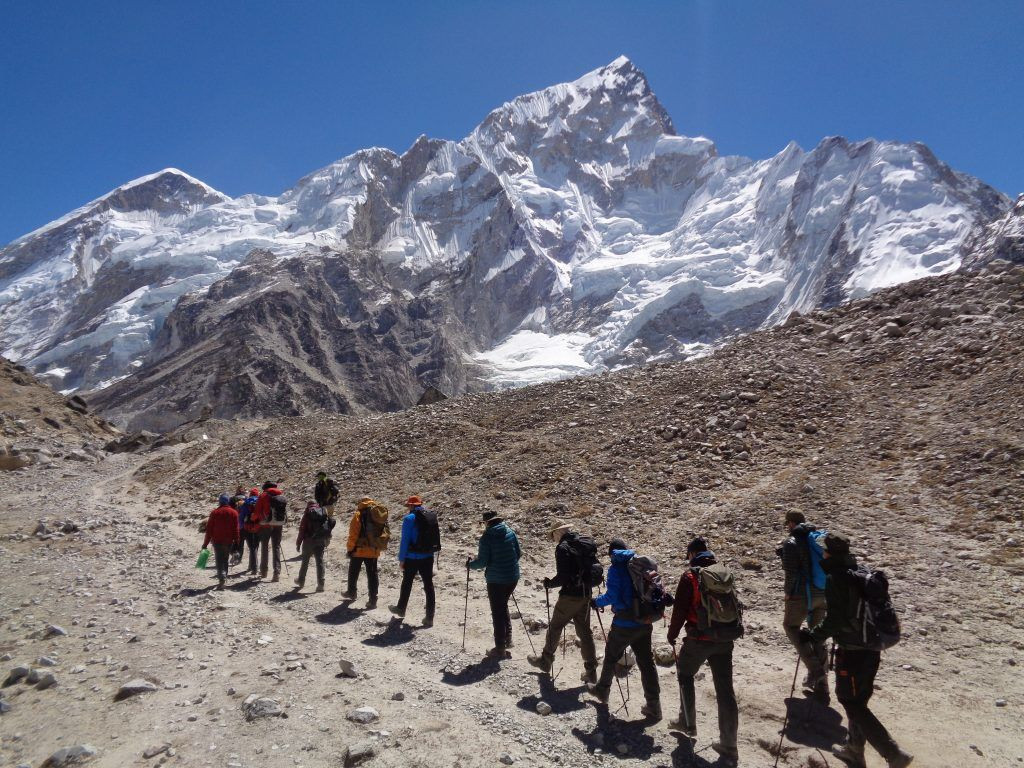
Gateway to Trekking: Pokhara is the starting point for legendary routes like the Annapurna Base Camp (ABC) and the Ghorepani Poon Hill trek.
-
Adventure Hub: From world-class paragliding in Sarangkot to zip-lining and bungee jumping, the city is a playground for adventure enthusiasts.
How to Get to Pokhara?

Pokhara is located in central Nepal, approximately 200 to 210 kilometers (about 126 miles) northwest of Kathmandu. As the country's tourism capital, it is highly accessible from the capital city and various border points via air and road.
By Air
Air travel is the quickest and most convenient method, especially for trekkers looking to save time.
- Duration: Flights between Kathmandu and Pokhara typically take 25 to 30 minutes.
- Frequency: There are roughly 30 to 40 regular flights daily, with increased frequency during peak tourist seasons. Flights generally operate between 8:00 am and 3:00 pm.
- Airports: Most domestic flights use the domestic terminal, but a new Pokhara International Airport officially opened on 1 January 2023.
- Experience: You can experience breathtaking aerial views of the Annapurna and Dhaulagiri mountain ranges during the flight.
- Cost: While prices fluctuate, estimated costs are approximately $100 USD for international tourists and upwards of 4,000 NPR for Nepalese citizens.
By Road
Travelling by road offers a picturesque journey through hills, rivers, and local settlements along the Prithvi Highway. The journey typically takes between 6 and 8 hours, though this can be affected by traffic and road conditions.
- Tourist Coaches: These are a popular and comfortable option. Buses usually depart Kathmandu from Sorahakhutte (Naya Bazar) at 7:00 am. Fares range from 800 to 2,500 NPR (10–25 USD) depending on the standard of the bus.
- Private Vehicles: For a more flexible and faster journey (roughly 6 hours), you can hire private cars, jeeps, or vans. A private car from Kathmandu typically costs around $140 USD.
- Local Buses: For budget-conscious travellers, local buses depart from the New Bus Park (Ganggabu) in Kathmandu every half hour. This is the slowest option, often taking around 8 hours, and costs approximately 600 NPR.
Connections from the Indian Border
Pokhara is well-linked to several border cities for those entering Nepal from India. Direct road connections are available from:
- Sunauli / Bhairahawa (a common entry point for those coming from Gorakhpur).
- Birgunj, Kakarvitta, and Nepalgunj.
- Biratnagar, Dharan, and Mahendranagar.
Indian travelers can drive directly into Pokhara through these entry points without needing to fly to Kathmandu first. Additionally, there are regular air services linking Pokhara to other domestic hubs like Bharatpur (Chitwan) and Bhairahawa (Lumbini).
History of Pokhara: From Ancient Trade Routes to Modern Tourism

Pokhara’s rich history sets it apart from other trekking hubs. Understanding its past helps you appreciate its culture and traditions.
Ancient Origins and the Meaning of "Pokhara"
The name Pokhara originates from “Pokhari,” which means pond. The city is famous for seven lakes, including Phewa, Begnas, and Rupa, each carrying historical, spiritual, and ecological significance. Early settlers built communities around these lakes, which today offer trekking, boating, and lakeside attractions.
The Trade Route Legacy
Before tourism, Pokhara thrived as a trading post on the China-India route. Caravans transported goods across the Himalayas, and local markets became bustling centers of commerce. Today, these same pathways form the foundation of trekking routes and adventure trails.
The Kingdom Era
Until 1786, Pokhara was part of the "24 Kingdoms," a collection of small, independent states spread across the Himalayan foothills. When King Prithvi Narayan Shah unified Nepal, Pokhara became politically integrated into the nation we know today. This unification brought stability and eventually paved the way for development and tourism.
Homeland of the Gurkhas
The Gurung and Magar communities hail from this region. Their warrior traditions and Gurkha legacy add a unique dimension to Pokhara’s identity. The region around Pokhara is the ancestral homeland of the Gurung and Magar communities, whose young men became the legendary Gurkha soldiers serving in British and Indian armies. These warriors earned worldwide respect for their bravery, discipline, and loyalty. Even today, you'll meet retired Gurkha soldiers in Pokhara who share incredible stories of service across the globe. This warrior culture and tradition remain a source of immense pride.
Birth of Modern Tourism
After 1960, Pokhara transitioned from a trade hub to a tourism and trekking hotspot. Infrastructure such as roads, hotels, trekking lodges, and adventure services has steadily grown. Today, Pokhara offers comfortable stays, guided treks, and adventure sports to cater to global travelers.
Tip: Visit the International Mountain Museum in Pokhara to learn more about the history of Himalayan exploration and the Sherpa and Gurung communities who made it possible. Contact Himalaya Trekking Nepal for more travel information.
Location & Geography of Pokhara: Where Subtropics Meet the Himalayas

Pokhara is located in the Kaski District of Gandaki Province. Covering an area of approximately 464 km², it lies about 200 km northwest of Kathmandu, where subtropical lowlands meet the towering Himalayas, creating stunning valleys, lakes, and mountain vistas ideal for trekking, paragliding, and photography.
The Extraordinary Kaski District Topography
What makes Pokhara truly unique is its dramatic geography. Within just 30 kilometers, the altitude ranges from 1,000 meters to 7,500 meters. This extraordinary vertical rise creates diverse ecosystems from subtropical forests at lower elevations to alpine meadows and glaciers higher up. Nowhere else on Earth will you find such dramatic elevation changes in such a short distance.
Proximity to the World's Highest Peaks
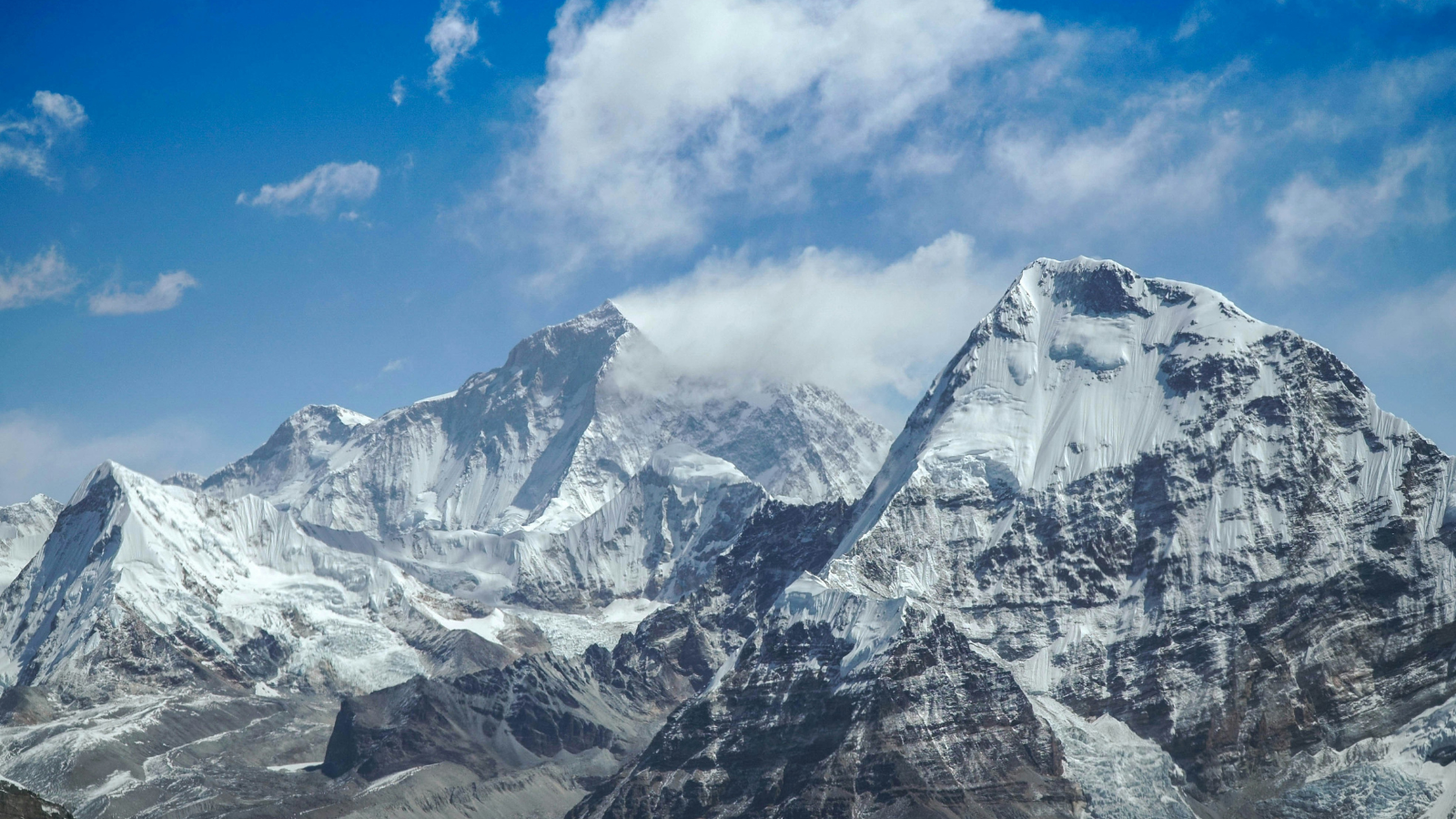
From Pokhara, you can enjoy breathtaking views of several of the world’s highest mountains:
-
Annapurna I (8,091 m): A challenging peak known for its steep faces and climbing difficulty
-
Dhaulagiri (8,167 m): Nicknamed the “White Mountain” for its snow-covered slopes
-
Machhapuchhre (Fishtail, 6,993 m): Famous for its striking fishtail shape and sacred status
On clear mornings, standing at Sarangkot, you can witness these giants glowing pink and gold at sunrise, with Machhapuchhre’s distinctive peak dominating the skyline, a sight that stays with you forever.
When Is the Best Time to Visit Pokhara?
Despite being nestled in the Himalayas, Pokhara enjoys a subtropical climate. Summers can reach up to 35°C, while winters remain mild and comfortable, especially during the daytime. Pokhara also receives the heaviest rainfall in Nepal during the monsoon season (June to September), which nourishes its lakes, waterfalls, and lush green valleys.
Planning Tip: The best time to visit Pokhara for clear mountain views, sightseeing, and Pokhara trekking is during autumn (October to December) and spring (March to May). Winter months are also suitable for if you're seeking fewer crowds and clear skies.
The City of Nine Caves
Pokhara sits on porous limestone geology, creating a network of underground caves and waterways that have earned it the nickname “City of Nine Caves.” The most famous is Gupteshwor Mahadev Cave, a sacred Hindu site featuring an underground waterfall. Other notable caves include Mahendra Cave and Bat Cave (Chamero Gufa), which attract visitors with their rock formations and unique ecosystems. These caves are a key part of Pokhara sightseeing and offer insight into the region’s geological and cultural heritage.
The Seven Lakes of Pokhara
The Pokhara lakes are the heart and soul of the city:
-
Phewa Lake: The largest and most iconic, perfect for boating, with stunning mountain reflections
-
Begnas Lake: Quieter and more peaceful, ideal for relaxation and lakeside picnics
-
Rupa Lake: Less crowded and scenic, surrounded by forests and farming villages
-
Khaste Lake: A smaller wetland lake, known for birdwatching and biodiversity
-
Dipang Lake: A serene freshwater lake, popular for fishing and nature walks
-
Maidi Lake: A calm, lesser-known lake, important for local irrigation and wildlife
-
Niureni (Neureni) Lake: A hidden natural lake, rich in aquatic plants and birdlife
These lakes aren't just beautiful; they hold ecological and cultural significance. Local communities consider them sacred, and they support diverse wildlife and plant species.
Religion and Culture of Pokhara

One of the most beautiful aspects of Pokhara culture is the harmonious coexistence of different religions and ethnic groups. Hindus, Buddhists, Christians, and indigenous communities live side by side, celebrating each other's festivals and sharing cultural traditions.
Hindu Sacred Sites
-
Bindhyabasini Temple: An ancient temple dedicated to Goddess Bhagwati, perched on a hilltop with panoramic views. It's one of the most important spiritual sites in Pokhara.
-
Muktinath Temple: Though located in the Mustang region, many pilgrims start their journey from Pokhara. This temple is sacred to both Hindus and Buddhists.
-
Gupteshwor Mahadev Cave: An underground Shiva temple inside a cave, where devotees come to worship and pray.
Buddhist Monuments and Philosophy
The World Peace Pagoda sits on a hilltop overlooking Phewa Lake. Built by Japanese Buddhist monks, it's a place for meditation and offers breathtaking panoramic views of Pokhara, the lake, and the Annapurna range. The surrounding area has strong Tibetan Buddhist influence, with monasteries and prayer flags adding color to the landscape.
Tibetan Refugee Settlements
Pokhara is home to four major Tibetan refugee camps, including Tashi Palkhel and Hemja. These settlements preserve Tibetan culture through monasteries, traditional crafts, and festivals. Visiting these communities and buying handmade carpets or handicrafts supports their livelihood and cultural preservation.
Ethnic Diversity and Cultural Mosaic
The Gurung, Magar, and Thakali communities form the cultural backbone of Pokhara. Their festivals, music, dance, and seasonal celebrations enrich the city's identity. You'll experience this diversity in local markets, Pokhara restaurants, and during cultural performances.
If you are visiting during the New Year, you’re in for a treat. The 27th Pokhara Street Festival (late December to January 1, 2026) transforms a 3.5 km stretch of Lakeside into a massive open-air party.
-
What to expect: Traditional cultural dances, boat races on Phewa Lake, and the famous "waiter race."
-
The Vibe: Under the slogan "Let’s eat on the street, let’s dance on the street," local restaurants move their tables outside, and you’ll find discounts on rooms and food during this week.
- Cultural Experience: Time your visit during Dashain (October) or Tihar (November) to witness traditional festivals with lights, music, and community celebrations.
Rentals: Getting Around & Gearing Up in Pokhara
Pokhara is the ultimate DIY adventure hub. You don't need to bring your own heavy gear from home or rely only on taxis.
Renting Motorcycles & Scooters
For the freedom to visit Sarangkot or the Pumdikot Shiva Statue on your own time, renting a bike is the way to go.
-
Scooters: Perfect for city hopping (approx. 1,500–2,000 NPR/day).
-
Motorcycles: For the rugged trails to Mustang or Tansen, look for Royal Enfield Himalayans or the new KTM 390 Adventure R (available at specialty shops near Zero Km and Lakeside).
-
Requirement: You will need to leave a copy of your passport and your driving license as a deposit.
Trekking Gear Rentals (Save Your Luggage Space)
Don’t pack a heavy down jacket or sleeping bag for your flight. Lakeside is lined with shops (like Ganga Purna or Sunrise Trekking) where you can rent professional-grade gear.
Average Daily Costs:
-
Down Jacket: 150–250 NPR ($1.25–$2.00)
-
-20°C Sleeping Bag: 150–300 NPR ($1.25–$2.50)
-
Trekking Poles: 80–100 NPR ($0.75)
Tip: Always inspect zippers and seams before leaving the shop. Most places will take a small cash deposit and a photo of your passport.
Where to Stay: Pokhara Hotels & Accommodation

Finding the right place to stay enhances your Pokhara experience:
-
Lakeside Area: The tourist hub with cafés, Pokhara restaurants, shops, and nightlife. Perfect for first-time visitors.
-
Begnas Lake: Quieter and more peaceful, ideal for yoga retreats and relaxation.
-
Sarangkot: Stay in hillside lodges for sunrise views without crowds.
Whether you want budget hostels, mid-range Pokhara hotels, or luxury resorts, there's something for every traveler and budget.
Pokhara Restaurants & Local Cuisine
Food is a huge part of the Pokhara experience. The city offers incredible variety:
-
Traditional Nepali: Try Dal Bhat (rice and lentils), momos (dumplings), and Thakali set meals.
-
Lakeside Cafés: Enjoy continental breakfasts, wood-fired pizzas, and fresh coffee with lake views.
-
Tibetan Food: Visit Tibetan settlements for authentic dishes like thukpa (noodle soup) and tingmo (steamed bread).
-
International Options: Many Pokhara restaurants serve Indian, Chinese, Israeli, Mexican, and Korean food.
After a long trek, there's nothing better than a lakeside dinner watching the sun set behind the mountains.
Why Is Pokhara a Popular & "Chill" Alternative to Kathmandu?
If Kathmandu is Nepal's bustling heart, Pokhara is its peaceful soul. Here's why you’ll fall in love with this city:
-
Clean, Fresh Air: Unlike crowded Kathmandu, Pokhara has cleaner air and more spacious, open areas.
-
Relaxed Pace: The lakeside cafe culture encourages you to slow down, read a book, and simply enjoy the moment.
-
Friendly and Safe: Pokhara is incredibly traveler-friendly. Locals are warm, helpful, and genuinely happy to see visitors.
-
Perfect Base for Adventures: Whether you're trekking, paragliding, or exploring caves, everything is accessible from Pokhara.
Many travelers arrive planning to stay two days and end up staying two weeks. That's the magic of Pokhara.
If you're planning to visit Pokhara, explore our Pokhara Tours package for a comfortable and safety travel .
Must-Visit Places in Pokhara

Even if you aren’t hitting the high-altitude trails, Pokhara is packed with spots that’ll keep your camera roll full. Here’s the "best of" list for 2026:
-
Sarangkot Sunrise: The undisputed king of views. Head up at 5:00 AM to watch the sun turn the Annapurna range from grey to molten gold.
-
Pumdikot Shiva Statue: A new local favorite. This massive 108-foot-tall statue of Lord Shiva offers a 360-degree view of the city, the lake, and the mountains.
-
World Peace Pagoda (Shanti Stupa): Sitting on a ridge across Phewa Lake, this brilliant white monument is the perfect spot for a quiet sunset and a panoramic "postcard" shot of Pokhara.
-
Phewa Lake & Tal Barahi Temple: Rent a colorful doonga (wooden boat) and paddle to the island temple in the center. It’s the spiritual heart of the lakeside.
-
Begnas & Rupa Lakes: Want to escape the crowds? These "twin lakes" are 15 km away and offer a much quieter, local vibe. Perfect for a peaceful swim or a fish dinner by the shore.
-
Devi’s Fall & Gupteshwor Mahadev Cave: Witness the Pardi Khola river roar into an underground sinkhole, then cross the street to descend into the cave to see where that same water thunders through the rocks.
-
International Mountain Museum: A must-visit. It’s not just about climbing; it’s a deep dive into the lives of Himalayan people, the history of the 14 "eight-thousanders," and the legendary Yeti.
-
Old Pokhara Bazaar: Skip the modern shops for an hour and walk through the old market. You’ll see traditional Newari architecture and 200-year-old temples that feel worlds away from the tourist strip.
-
Tibetan Refugee Settlements: Visit Tashi Palkhel to watch master weavers create hand-knotted carpets and listen to the rhythmic chants of monks in the monastery.
-
Annapurna Cable Car: If you’re not a morning person, take the cable car from Sedibagar up to Sarangkot. It’s a 10-minute glass-walled glide over the jungle with the mountains right in your face.
-
Seti River Gorge: The river has carved a canyon so deep and narrow it’s almost invisible from above. Head to the K.I. Singh Bridge to peer down into the milky-white depths.
Things to Do in Pokhara

Pokhara isn't just a place to rest your legs; it’s a playground where the sky is the limit (literally). Whether you're an adrenaline junkie or a slow-travel enthusiast, the "Tourism Capital" has leveled up for 2026.
-
Paragliding: Launching from Sarangkot, this remains Pokhara's signature move. You’ll share the thermal currents with Himalayan vultures while overlooking the turquoise Phewa Lake.
-
Zip-lining (ZipFlyer Nepal): Located in Hemja, this is one of the world's steepest and fastest zip lines. You'll drop 600 meters at speeds of over 120 km/h with the Annapurna range dead ahead.
-
Bungee Jumping: Choose between the "Water Touch" tower jump in Hemja or take a day trip to Kushma for one of the world's highest canyon bungee jumps (228 m) over the Kali Gandaki River.
-
Skydiving (Exclusive Window): If you're visiting in November 2026, look out for the annual skydiving event. It’s a rare, 10-day window where you can tandem jump from 15,000 feet directly in front of the Fishtail mountain.
-
Ultralight Flights: These open-cockpit "wings with an engine" take you much closer to the mountain peaks than paragliders can. It’s like a private balcony view of the Himalayas.
-
Hot Air Balloons: For a romantic, 360-degree sunrise, the hot air balloons over Pame offer a serene glide that’s perfect for landscape photography.
-
Stand-Up Paddleboarding (SUP): A 2026 trend is to grab a board at dawn on Phewa Lake. The water is glass-still, and the reflection of Machhapuchhre is perfect.
-
Nightlife in Pokhara: It comes alive after sunset, especially around Lakeside. Popular clubs like Club Catwalk and Club Sixteen offer energetic music and late-night dancing, while Busy Bee Cafe is known for live rock performances. Sports lovers can enjoy matches at Paradiso Sports Bar, and for a relaxed evening, Movie Garden screens films outdoors. For a local touch, Dohori Sanjh showcases traditional Nepali folk music and dance.
-
Pokhara Disneyland: It is a small, colorful amusement park in North Lakeside, popular for budget-friendly evening fun. You can enjoy a fast-spinning Ferris wheel with views of Phewa Lake, along with bumper cars, arcade games, and ice skating. The park is best visited after 8 PM when the lights and music create a lively carnival atmosphere, making it ideal for families and casual strolls.
-
Go-Karting in Pokhara: It is a fun, adrenaline-filled activity located at Pokhara Go Kart, near Lakeside (Khapaudi area, toward Begnas Lake side). It features a dedicated outdoor track suitable for beginners and racing enthusiasts alike. This activity is perfect for friends and groups looking to add some speed and excitement to their Pokhara trip, especially in the afternoon or early evening.
The New Pokhara International Airport (PIA)
Opened in January 2023, the international airport has been a game-changer for Pokhara’s tourism development.
-
Growing Connectivity: While many flights still route through Kathmandu, 2026 sees an increase in direct regional charters and international connections from cities like Delhi, Chengdu, and Bangkok.
-
Seamless Logistics: The airport is located just 5 km from the main Lakeside area, meaning you can be off your plane and having a coffee by the lake in under 20 minutes.
-
Economic Boost: This infrastructure has paved the way for new 5-star resorts and luxury "wellness retreats" that combine Himalayan views with world-class spas.
Top Trekking Places from Pokhara (Gateway to Annapurna)

As the gateway to the Annapurna mountain range, Pokhara trekking offers some of the world's most spectacular trails. Here are the top options:
-
Annapurna Base Camp (ABC): 5–14 days, bamboo forests, Gurung villages, 360° mountain views.
-
Tilicho Lake & Manang Trek: 4,919 m lake, scenic trails, and landslide areas need caution.
-
Mustang Trek: High-altitude desert, Tibetan culture, permits and guide required.
-
Manaslu Circuit Trek: 13–14 days, Larkya La Pass, pristine views, restricted area.
-
Annapurna Circuit Trek: 15–20 days, forests to high passes, Gurung & Thakali villages.
Best Short Treks & Day Hikes from Pokhara (1–5 Days)
Not everyone has two weeks for Pokhara trekking. Here are excellent shorter options:
-
Mardi Himal Trek (5-7 days): Close-up views of Machhapuchhre (Fishtail Mountain) with fewer crowds than ABC.
-
Ghorepani Poon Hill Trek (4-5 days): Famous for sunrise views and walking through rhododendron forests that bloom bright red in spring.
-
Dhampus & Australian Camp (2-3 days): Beginner-friendly treks with panoramic mountain views and easy access from Pokhara.
-
Sarangkot (half day or 1 day): The easiest option is to watch sunrise over the Annapurna range and return to Pokhara for breakfast.
First-Time Trekker? Start with Ghorepani Poon Hill or Australian Camp. These treks offer amazing rewards without extreme altitude or difficulty.
Final Thoughts
Pokhara is more than just a starting point for treks; it's a destination in itself. The city beautifully combines:
-
Historical Legacy: From ancient trade routes to Gurkha pride and mountaineering heritage.
-
Geographical Marvel: Nine caves, seven lakes, and proximity to the world's highest mountains.
-
Spiritual Harmony: Hindu temples, Buddhist monuments, and Tibetan culture coexist peacefully.
Whether you're trekking to Annapurna Base Camp, paragliding over the valley, or simply relaxing by Phewa Lake, Pokhara offers an experience that stays with you long after you leave. It truly is "Heaven on Earth," a place where adventure, relaxation, and culture come together perfectly.
If you're sitting in a coffee shop in Lakeside right now, congratulations, you've found one of the most special places on Earth. If you're still at home planning, get ready for the journey of a lifetime. Pokhara is waiting for you. rt our Pokhara Adventure Today
Contact Himalaya Trekking Nepal expert team for personalized trek planning, honest advice, and complete support from arrival to departure.
Frequently Asked Questions: Everything You Need to Know Before Heading Out to Pokhara
How far is Pokhara from Kathmandu and how do I get there?
Pokhara is located approximately 200 to 210 kilometres northwest of Kathmandu. You can reach the city via a 25 to 30-minute domestic flight or a scenic 6- to 8-hour drive by tourist bus, private car, or local bus along the Prithvi Highway.
Can I see Mount Everest from Pokhara?
No, Mount Everest is not visible from Pokhara. However, you can take a mountain flight from the Pokhara airport to view Everest and other high Himalayan peaks.
When is the best time to visit Pokhara?
Winter offers pleasant weather, particularly from October to December. The best flying season for adventure sports like paragliding runs from September through May, while autumn and winter are ideal for boating due to calm weather conditions.
Does Pokhara have an international airport?
Yes, Nepal's third international airport officially opened in Pokhara on 1 January 2023. While it currently handles limited international traffic and some charter flights, the old domestic airport remains operational for certain flights.
What are the most popular trekking routes starting from Pokhara?
As the gateway to the Annapurna region, Pokhara provides access to world-renowned trails including the Annapurna Circuit, Annapurna Base Camp (ABC), and the Ghorepani Poon Hill trek. Other popular routes include Mardi Himal, Machhapuchhre Base Camp, and the Royal Trek.
What adventure activities can I do in Pokhara?
Pokhara is a global hub for adventure, famously ranked as one of the top five paragliding destinations in the world. Other thrill-seeking options include the world’s longest and highest zipline, "Water Touch" bungee jumping at Hemja, ultralight "mountain flights," and hot air ballooning.
What are the must-visit religious and cultural sites?
Key landmarks include the Tal Barahi Temple, located on an island in Fewa Lake, and the Bindhyabasini Temple, the city's oldest religious site. Other significant attractions are the World Peace Pagoda on Anadu Hill and the newly constructed Pumdikot Shiva Statue, which is the tallest Shiva statue in Nepal at 108 feet.
Does it snow in Pokhara?
Although Pokhara receives the heaviest rainfall in Nepal and is surrounded by snow-capped mountains, the valley floor itself does not receive snowfall due to its subtropical climate.
What is the significance of the "Gurkha" connection to Pokhara?
Pokhara is the ancestral homeland of the world-famous Gurkha soldiers, primarily from the Gurung and Magar ethnic groups. The city houses the Gurkha Memorial Museum, which displays uniforms and medals, and serves as a major recruitment centre for the British and Indian Armies.
How do I get to the Sarangkot viewpoint for sunrise?
Sarangkot, famous for its panoramic Himalayan views, is accessible via a 30-minute drive or a three-hour hike from the city. Additionally, the new Annapurna Cable Car now connects Sedi Lakeside to the Sarangkot height in just 9 minutes.
More About Author

Khilak Budhathoki
Travel Director
Khilak Budhathoki is the co-founder and lead trekking guide at Himalaya Trekking Nepal, a locally owned and operated adventure company based in Kathmandu. Born and raised in the foothills of Nepal, Khilak developed a deep love for the mountains from an early age. With over a deca...
USD$1,400 pp
Our Recommendation

USD$600 pp
Our Recommendation
Related Blogs